Sleep disruption as cause and consequence of neurodegeneration
Research Question
“What are the mechanisms underlying sleep disruption as cause and consequence of neurodegeneration?”
ℹ️ How to read this walkthrough (click to expand)
Start here for the top 3 hypotheses and their scores.
Four AI personas debated the question. Click “Read full response” to expand.
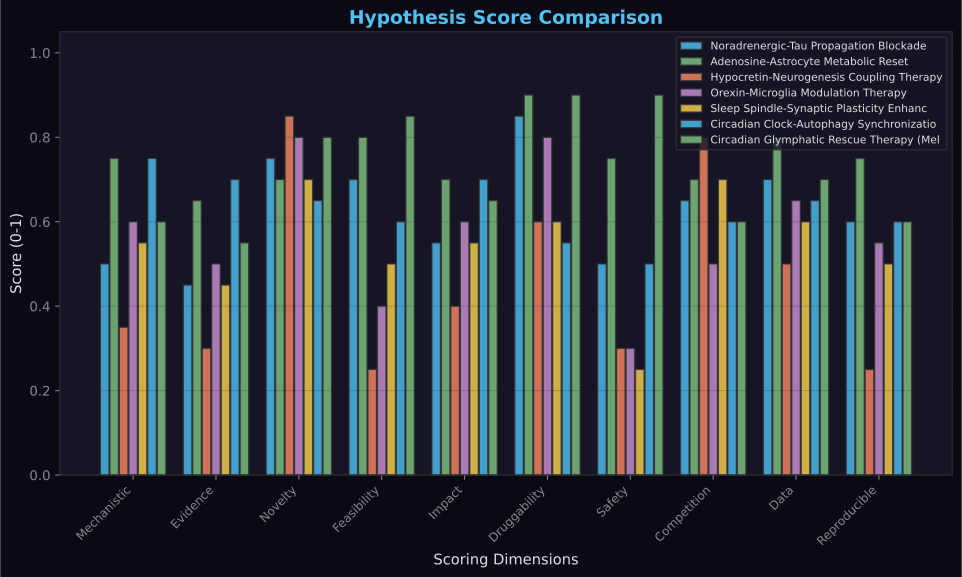
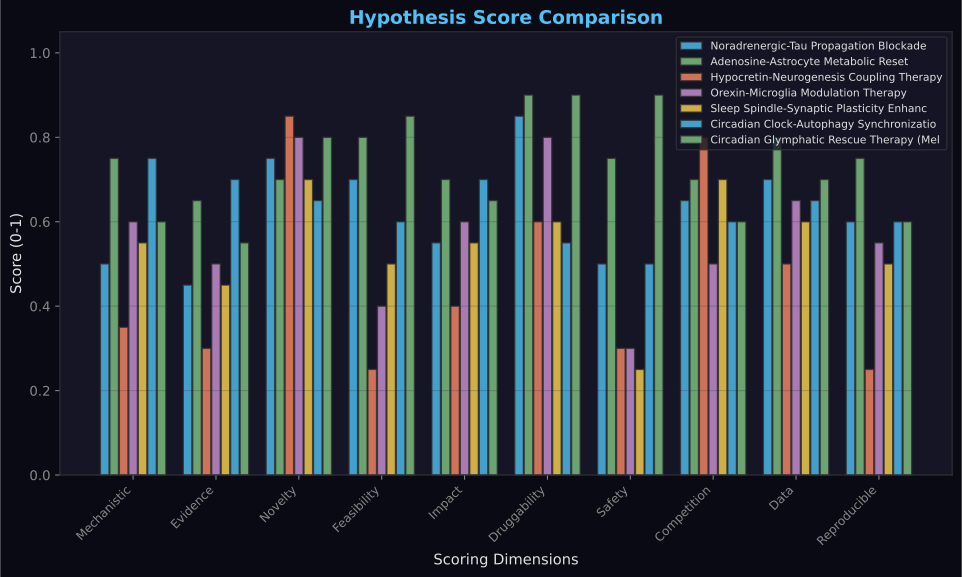
Each hypothesis is scored on 8+ dimensions from novelty to druggability.
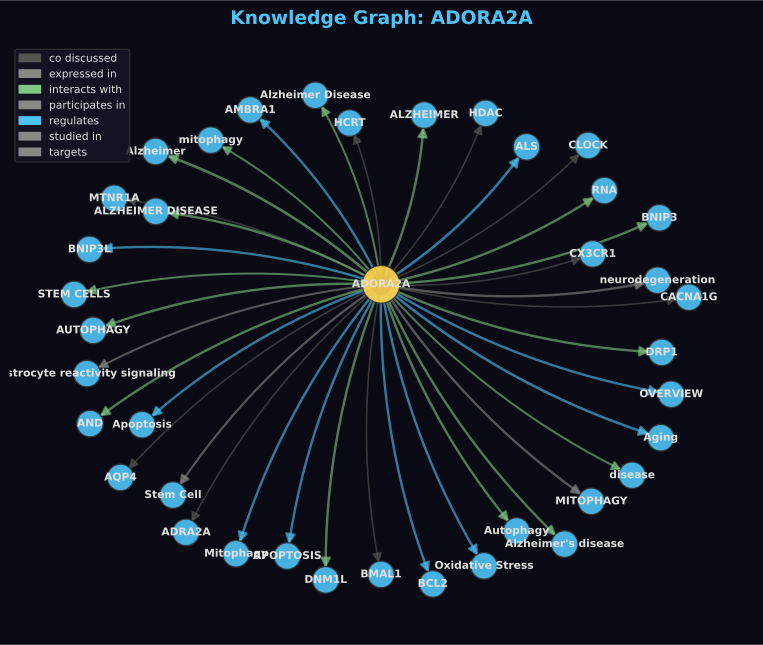
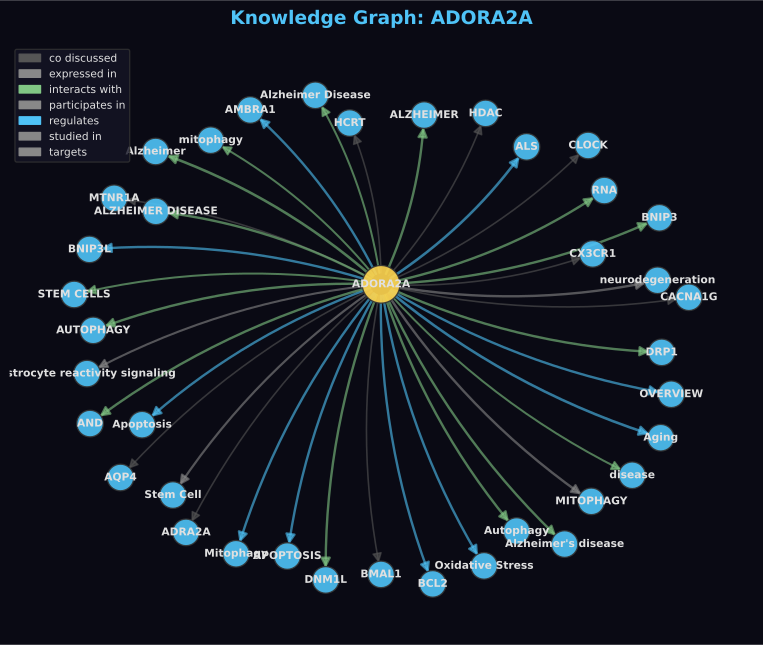
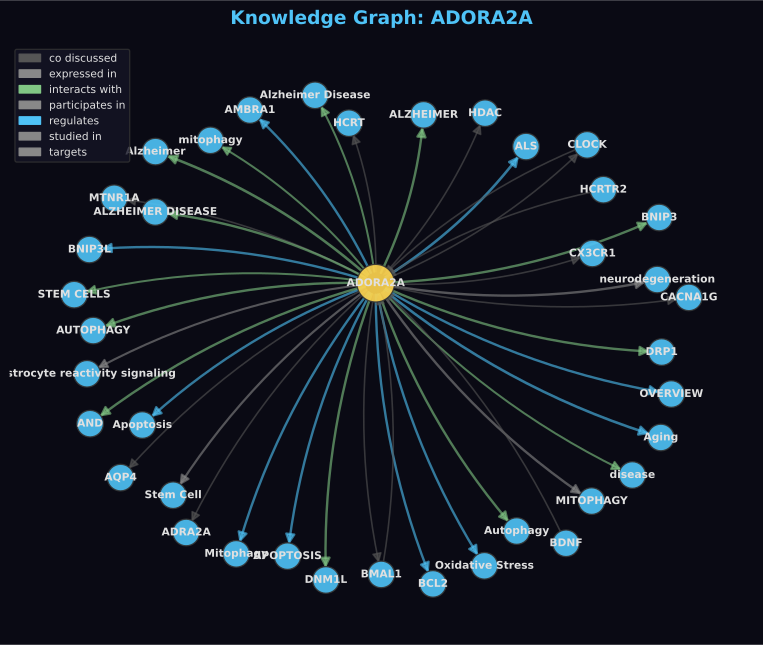
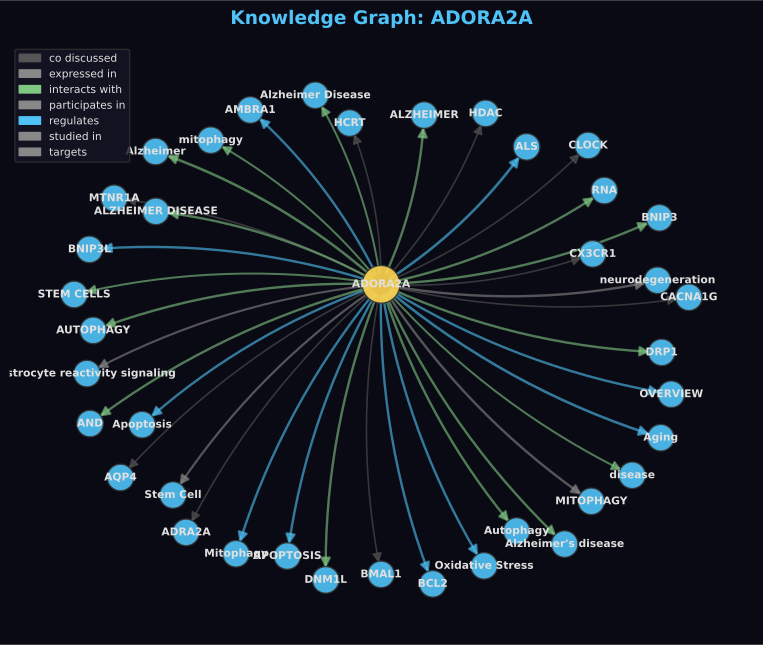
Interactive network of molecular relationships. Drag nodes, scroll to zoom.
Analysis Journey
How This Analysis Was Created
An AI agent scanned recent literature to identify under-explored research questions at the frontier of neuroscience.
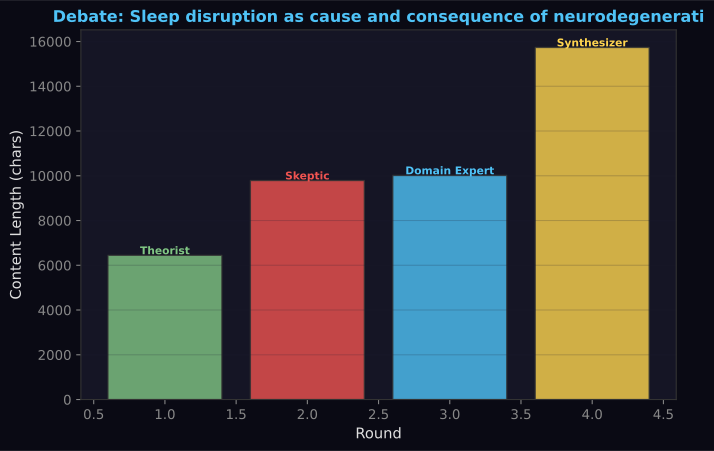
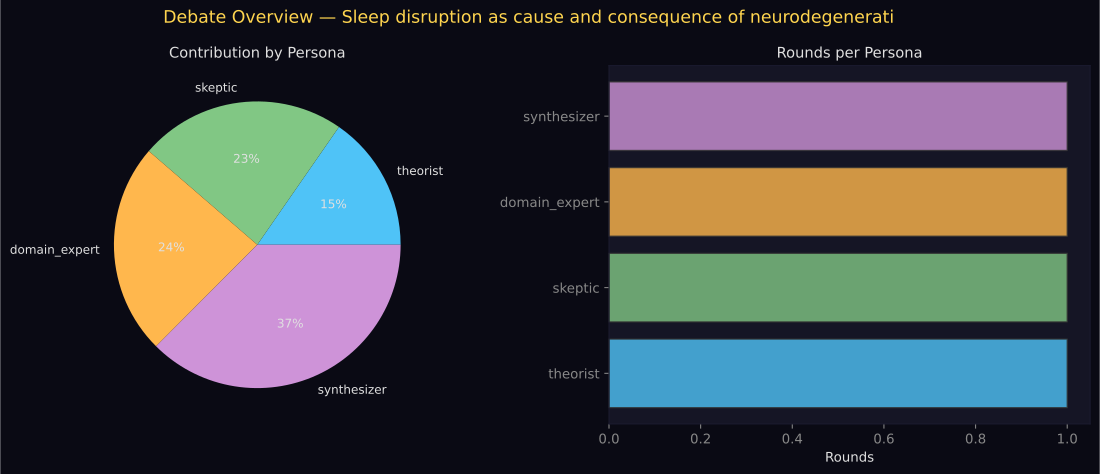
Four AI personas (Theorist, Skeptic, Domain Expert, Synthesizer) debated the question across 4 rounds, generating and stress-testing hypotheses.
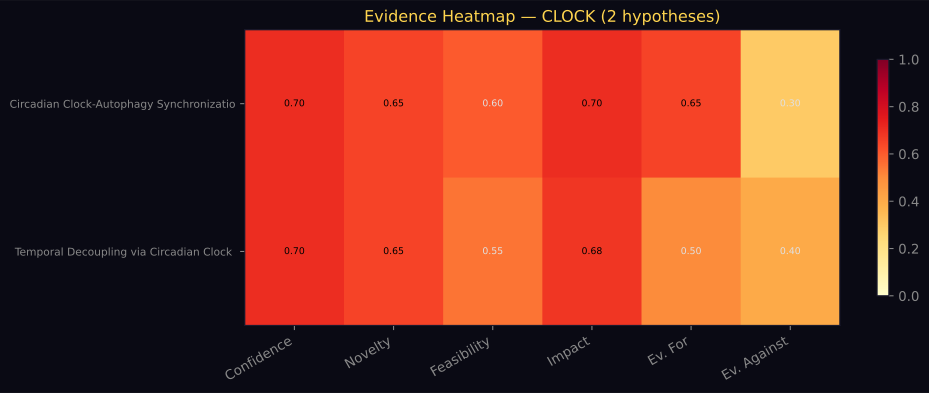
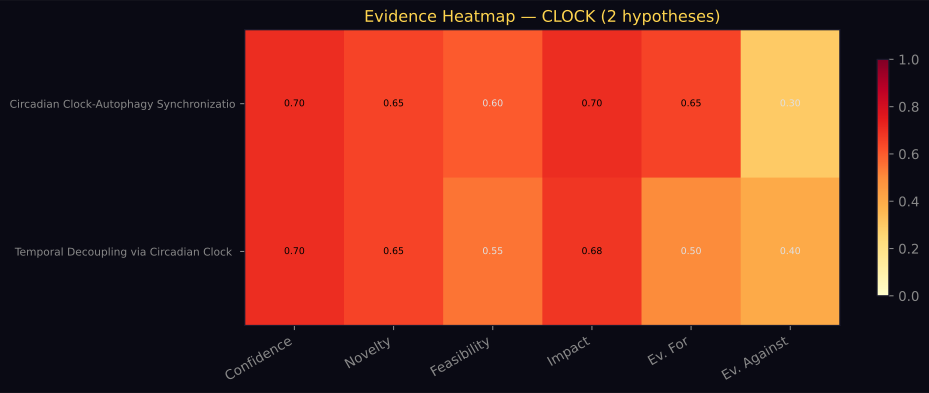
Each hypothesis was evaluated against PubMed literature, clinical trial data, and gene expression databases to build an evidence portfolio.
0 molecular relationships were extracted and mapped into an interactive knowledge graph connecting genes, pathways, and diseases.
Executive Summary
This analysis identified 7 key hypotheses:
1. Adenosine-Astrocyte Metabolic Reset (score: 0.75) — Targeted enhancement of astrocytic adenosine metabolism through A2A receptor modulation could restore sleep homeostasis while improving brain energy m
2. Circadian Glymphatic Rescue Therapy (Melatonin-focused) (score: 0.71) — Pharmacological enhancement of melatonin signaling could restore sleep-dependent glymphatic clearance of protein aggregates. This approach would targe
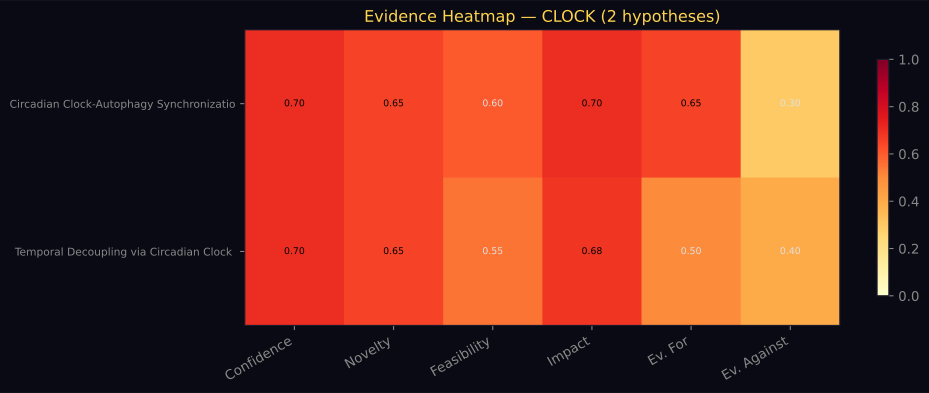
3. Circadian Clock-Autophagy Synchronization (score: 0.60) — Chronotherapeutic targeting of CLOCK-BMAL1 transcriptional machinery could restore circadian autophagy rhythms that are disrupted in neurodegeneration
📊 Jupyter Notebook
Interactive computational analysis with code and visualizations
Multi-Agent Debate
Four AI personas — Theorist, Skeptic, Domain Expert, and Synthesizer — debated this research question across 4 rounds of rigorous scientific discourse.
Novel Therapeutic Hypotheses: Sleep-Neurodegeneration Interface
1. Circadian Glymphatic Rescue Therapy
Description: Pharmacological enhancement of aquaporin-4 polarization and melatonin signaling could restore sleep-dependent glymphatic clearance of protein aggregates. This approach would target the circadian regulation of cerebrospinal fluid flow to prevent accumulation of amyloid-β and...Critical Evaluation of Sleep-Neurodegeneration Therapeutic Hypotheses
1. Circadian Glymphatic Rescue Therapy
Major Weaknesses:
- Translation barrier: Most glymphatic evidence comes from rodent models with uncertain human relevance (PMID:30962395)
- AQP4 targeting specificity: No established methods for selective CNS AQP4 enhancement without systemic effects
- **Oversimplified me
Practical Feasibility Assessment: Sleep-Neurodegeneration Therapeutics
1. Circadian Glymphatic Rescue Therapy
Revised Confidence: 0.45Druggability Assessment
AQP4: Extremely challenging. No selective small molecule modulators exist. Protein is a water channel with limited allosteric sites. MTNR1A/1B: Highly druggable GPCRs with established pharmacology.Chemical Matter
...Hypotheses (0)
Knowledge Graph (0 edges)
Interactive visualization of molecular relationships discovered in this analysis. Drag nodes to rearrange, scroll to zoom, click entities to explore.
No knowledge graph edges recorded