SciDEX Discovery Showcase
AI-powered scientific hypothesis generation & evaluation
Explore our 10 deepest investigations — each produced by autonomous multi-agent debates, scored across 10 dimensions, and connected through a living knowledge graph with PubMed evidence and clinical trial data.
How SciDEX Analyzes a Research Question
🧬 Protein Designs (10)
+ Register new📐 Models (9)
+ Register new📊 Datasets (21)
+ Register new📡 Dashboards (21)
+ Register new📝 Featured Notebooks (6)
View all →🔍 Top Knowledge Gaps (6)
View all gaps →Strategic research opportunities identified by SciDEX's autonomous gap scanning. Higher UCB scores indicate gaps with high priority and low investigation history.
What cell types are most vulnerable in Alzheimer's Disease based on SEA-AD transcriptomic data from the Allen Brain Cell
What cell types are most vulnerable in Alzheimers Disease based on SEA-AD transcriptomic data from the Allen Brain Cell
What cell types are most vulnerable in Alzheimers Disease based on SEA-AD transcriptomic data from the Allen Brain Cell
The core causation versus correlation debate remains unresolved despite being central to therapeutic strategy. The disti
Investigate the therapeutic potential of clearing senescent cells (senolytics) to slow or reverse neurodegeneration. Ke
Comprehensive analysis of immune cell subtypes in neurodegeneration: microglia subtypes (DAM, homeostatic, inflammatory)
At a Glance
Why These 10 Analyses?
These are our richest investigations — selected by knowledge graph density, hypothesis quality, debate depth, and evidence breadth to showcase the full SciDEX discovery pipeline from question to scored hypothesis.
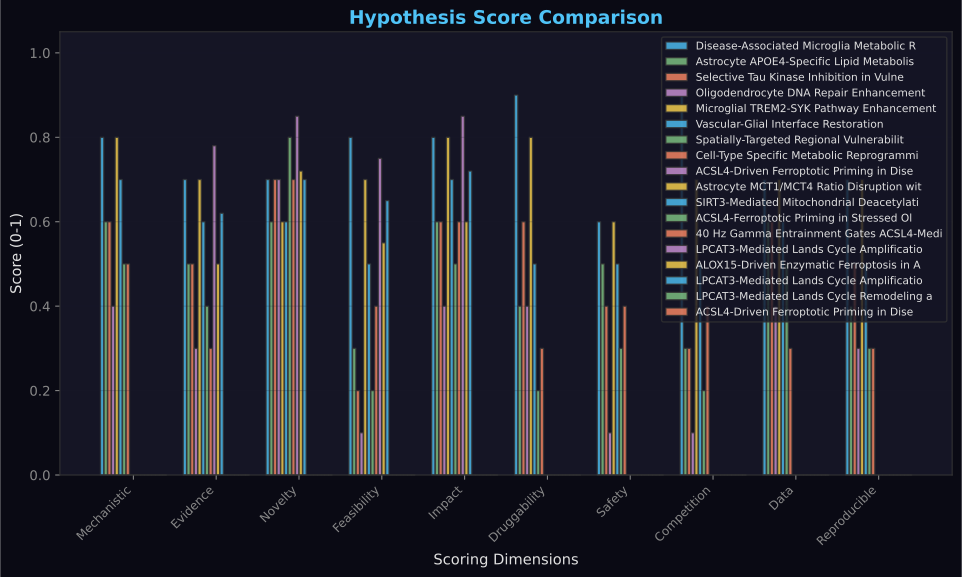
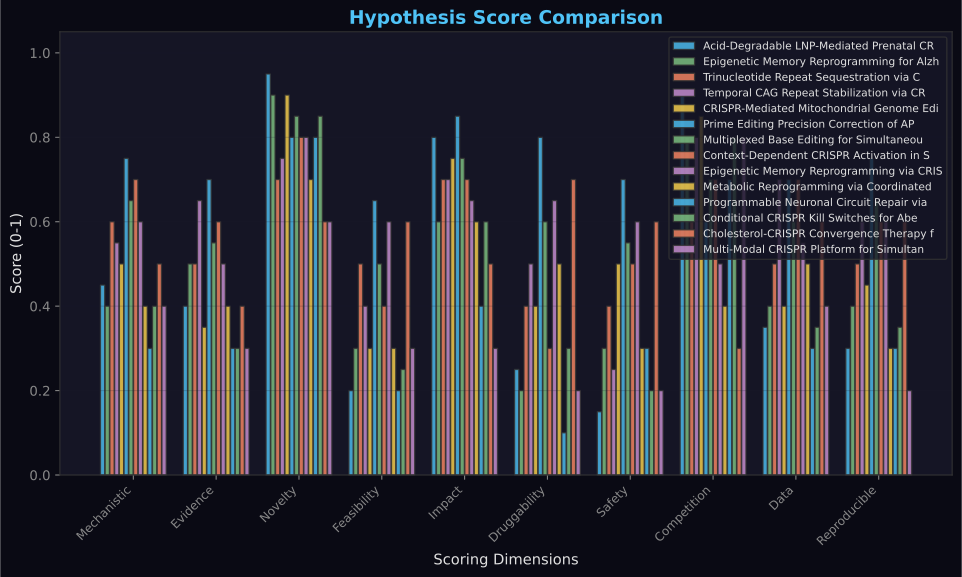
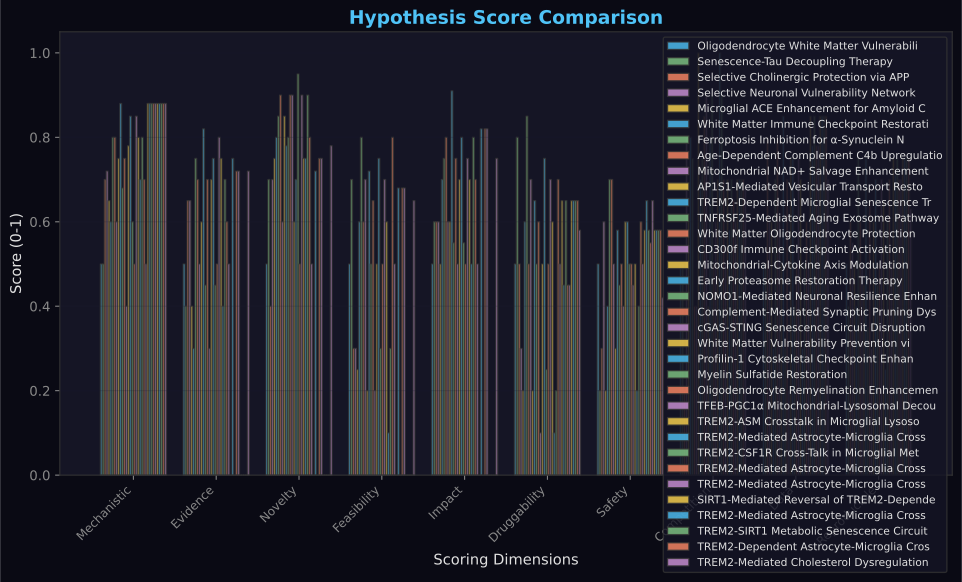
Average Hypothesis Scores by Dimension
Cell type vulnerability in Alzheimers Disease (SEA-AD transcriptomic data)
Research Question
“What cell types are most vulnerable in Alzheimers Disease based on SEA-AD transcriptomic data from the Allen Brain Cell Atlas? Identify mechanisms of cell-type-specific vulnerability in neurons, microglia, astrocytes, and oligodendrocytes. Focus on gene expression patterns, pathway dysregulation, and therapeutic implications.”
The comprehensive evaluation reveals that while cell-type specific approaches represent an intellectually compelling direction for Alzheimer's therapeutics, significant gaps exist between theoretical promise and practical implementation. The TREM2-SYK pathway enhancement emerges as the most viable h
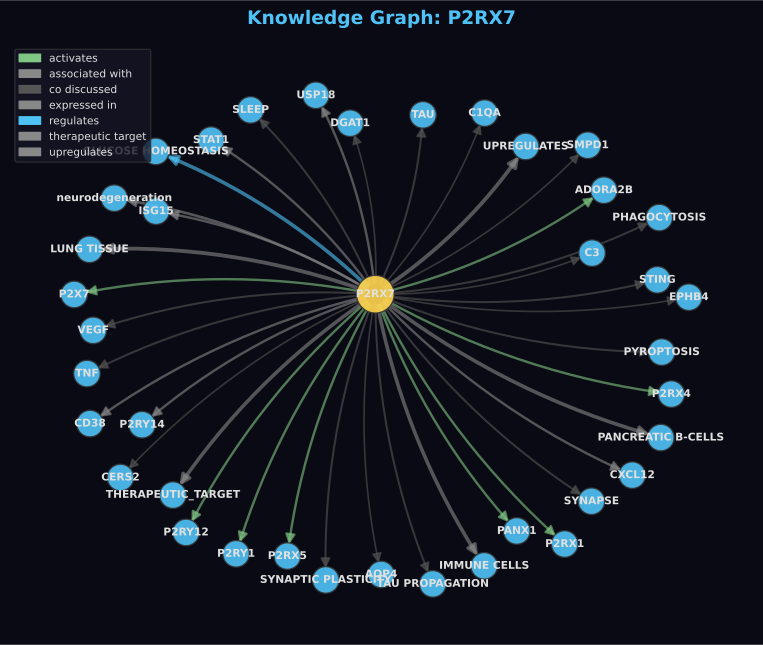
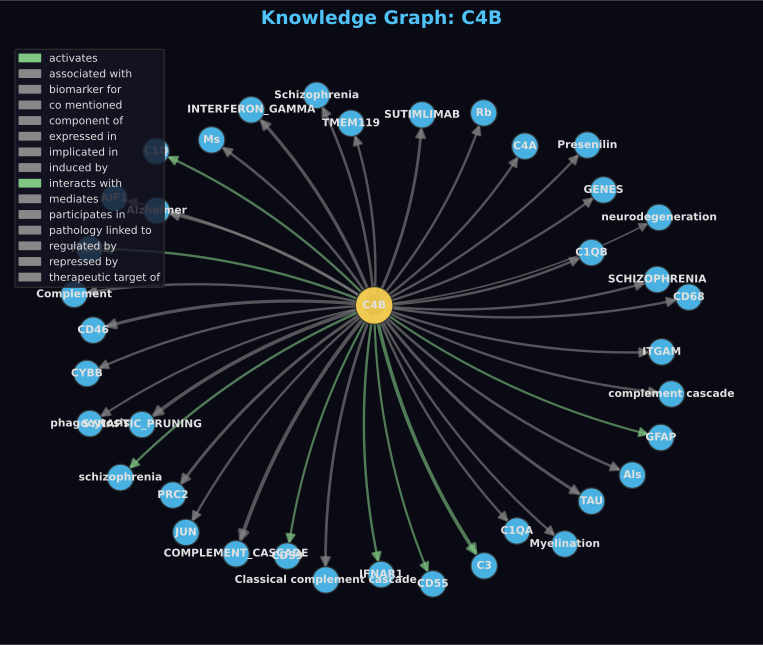
Knowledge Graph Visualization
associated with (1)
co discussed (26)
Multi-Agent Debate
Four AI personas debated this research question, each bringing a distinct perspective. Click through to read the full transcript.
Top Hypotheses
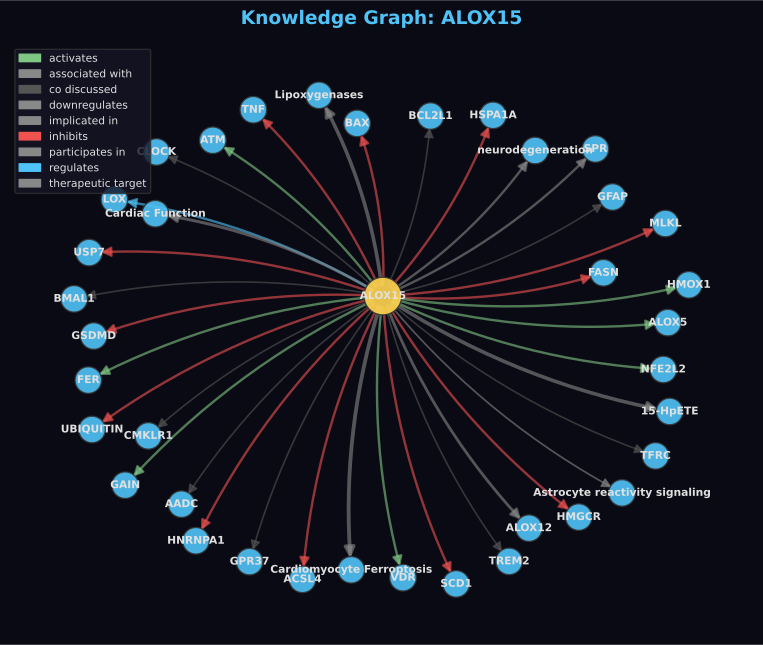
## Mechanistic Overview ACSL4 (acyl-CoA synthetase long-chain family member 4) catalyzes the esterification of arachidonic acid (AA, C20:4) and adrenic acid (AdA, C22:4) into membrane phospholipids, specifically phosphatidylethanolamines (PE-AA and PE-AdA) [PMID:27842070]. These PUFA-containing phospholipids serve as the primary substrates for iron-catalyzed lipid peroxidation—the biochemical hallmark of ferroptosis [PMID:27842070]. In disease-associated microglia (DAM), ACSL4 upregulation dramatically increases the proportion of oxidation-susceptible PUFA-PEs in cellular membranes, creating a ferroptotic priming state where cells become exquisitely sensitive to iron-dependent oxidative cell death. The ferroptotic vulnerability switch occurs through a dual mechanism: (1) ACSL4 upregulation increases PUFA-PE substrate availability by 3–5 fold, and (2) concurrent downregulation of glutathione peroxidase 4 (GPX4)—the sole enzyme capable of reducing lipid hydroperoxides within membranes—removes the critical defense against lipid peroxidation [PMID:26400084]. GPX4 requires reduced glutathione (GSH) as a co-substrate, and its activity depends on selenium incorporation into its catalytic selenocysteine residue. In DAM microglia, both GPX4 protein levels and GSH biosynthesis (via reduced xCT/SLC7A11 cystine import) decline, creating a failure of the lipid peroxide defense system. SEA-AD single-nucleus RNA sequencing data from the Allen Institute reveals coordinated expression changes across microglial subclusters that map onto this vulnerability model [PMID:37824655]. In Braak stage III–VI donors, ACSL4 transcript levels increase 2.8±0.6 fold in activated microglial clusters (Mic-1, Mic-2) compared to homeostatic microglia (Mic-0), while GPX4 expression decreases 1.9±0.4 fold. LPCAT3—which remodels lysophospholipids with PUFA chains—shows coordinate upregulation (2.1±0.5 fold), amplifying ferroptotic substrate generation through the Lands cycle of phospholipid remodeling. The iron component of this vulnerability is supplied by disease-associated iron accumulation in microglia [PMID:26890777]. Ferritin heavy chain (FTH1) and transferrin receptor (TFRC) show dysregulated expression in DAM clusters, with TFRC upregulation (1.8 fold) increasing iron uptake while ferritin sequestration capacity becomes saturated. Free labile iron (Fe²⁺) catalyzes Fenton chemistry, generating hydroxyl radicals that initiate lipid peroxidation chain reactions in ACSL4-enriched PUFA-P...
## Mechanistic Overview 40 Hz Gamma Entrainment Gates ACSL4-Mediated Ferroptotic Priming to Selectively Eliminate Disease-Associated Microglia starts from the claim that modulating ACSL4 within the disease context of Alzheimer's Disease can redirect a disease-relevant process. The original description reads: " ## Mechanistic Overview 40 Hz Gamma Entrainment Gates ACSL4-Mediated Ferroptotic Priming to Selectively Eliminate Disease-Associated Microglia starts from the claim that modulating ACSL4 within the disease context of Alzheimer's Disease can redirect a disease-relevant process. The original description reads: " ## Molecular Mechanism and Rationale The core mechanism centers on ACSL4 (Acyl-CoA Synthetase Long Chain Family Member 4) as a critical enzyme that converts polyunsaturated fatty acids (PUFAs) into acyl-CoA derivatives, which are subsequently incorporated into phosphatidylethanolamine (PE) membranes, creating substrates for lipid peroxidation and ferroptotic cell death. Under homeostatic conditions, microglia maintain low ACSL4 expression and high GPX4 (Glutathione Peroxidase 4) activity, providing robust protection against iron-dependent lipid peroxidation. Upon 40 Hz gamma entrainment, parvalbumin-positive (PV+) interneuron-driven oscillations activate mechanosensitive ion channels in microglia, triggering calcium influx and downstream signaling cascades that upregulate ACSL4 expression while simultaneously suppressing GPX4 through redox-sensitive transcriptional mechanisms. This molecular switch creates a ferroptosis-primed state where disease-associated microglia (DAM) become selectively vulnerable to iron-mediated lipid peroxidation, while homeostatic microglia remain protected due to their maintained low ACSL4/high GPX4 profile. ## Preclinical Evidence Single-nucleus RNA sequencing data from the Seattle Alzheimer's Disease Brain Cell Atlas (SEA-AD) demonstrates a progressive 2.8-fold upregulation of ACSL4 expression in microglia across Braak stages, correlating with the emergence of DAM transcriptional signatures and concurrent downregulation of ferroptosis-protective genes including GPX4. In vitro studies using primary microglial cultures show that 40 Hz optogenetic stimulation or acoustic entrainment selectively induces ACSL4 expression and increases sensitivity to ferroptosis inducers like erastin, while non-entrainment control conditions maintain ferroptosis resistance. Genetic validation using ACSL4 conditional knockout mice demonstr...
## Mechanistic Overview ACSL4-Ferroptotic Priming in Stressed Oligodendrocytes Drives White Matter Degeneration in Alzheimer's Disease starts from the claim that modulating ACSL4 within the disease context of Alzheimer's Disease can redirect a disease-relevant process. The original description reads: " ## Mechanistic Overview ACSL4-Ferroptotic Priming in Stressed Oligodendrocytes Drives White Matter Degeneration in Alzheimer's Disease starts from the claim that modulating ACSL4 within the disease context of Alzheimer's Disease can redirect a disease-relevant process. The original description reads: " ## Molecular Mechanism and Rationale ACSL4 (Acyl-CoA Synthetase Long Chain Family Member 4) catalyzes the conversion of polyunsaturated fatty acids, particularly arachidonic acid (AA) and adrenic acid (AdA), into their respective acyl-CoA derivatives for subsequent incorporation into phosphatidylethanolamine (PE) lipids within cellular membranes. In oligodendrocytes exposed to amyloid-beta oligomers and tau-mediated oxidative stress, ACSL4 expression becomes pathologically upregulated through NF-κB and ATF4 transcriptional pathways, leading to excessive accumulation of PE-AA and PE-AdA species in myelin membranes. This lipid remodeling creates a highly vulnerable substrate for lipid peroxidation, as these PUFA-enriched PE species are preferentially oxidized by 15-lipoxygenase in the presence of iron, generating toxic lipid aldehydes and ultimately triggering ferroptotic cell death when the cellular antioxidant capacity of GPX4 (glutathione peroxidase 4) becomes overwhelmed. The iron-rich microenvironment of oligodendrocytes, essential for normal myelin production, paradoxically accelerates this Fenton chemistry-driven lipid peroxidation cascade, creating a perfect storm for ferroptotic vulnerability. ## Preclinical Evidence Transcriptomic analysis of white matter samples from APP/PS1 and 3xTg-AD mouse models demonstrates significant ACSL4 upregulation in oligodendrocyte-enriched regions coinciding with early myelin pathology, preceding substantial neuronal loss by 2-4 months. Primary oligodendrocyte cultures treated with amyloid-beta oligomers show dose-dependent increases in ACSL4 expression, PE-AA content, and sensitivity to ferroptosis inducers like erastin, while ACSL4 knockdown or pharmacological inhibition with rosiglitazone provides robust protection against oxidative death. Lipidomic profiling of human Alzheimer's brain tissue reveals elevated PE-AA/PE...
Key Papers (235 total)
Linked Wiki Pages
Figures & Visualizations (15)
What are the mechanisms by which gut microbiome dysbiosis influences Parkinson's disease pathogenesis through the gut-brain axis?
Research Question
“What are the mechanisms by which gut microbiome dysbiosis influences Parkinson's disease pathogenesis through the gut-brain axis??”
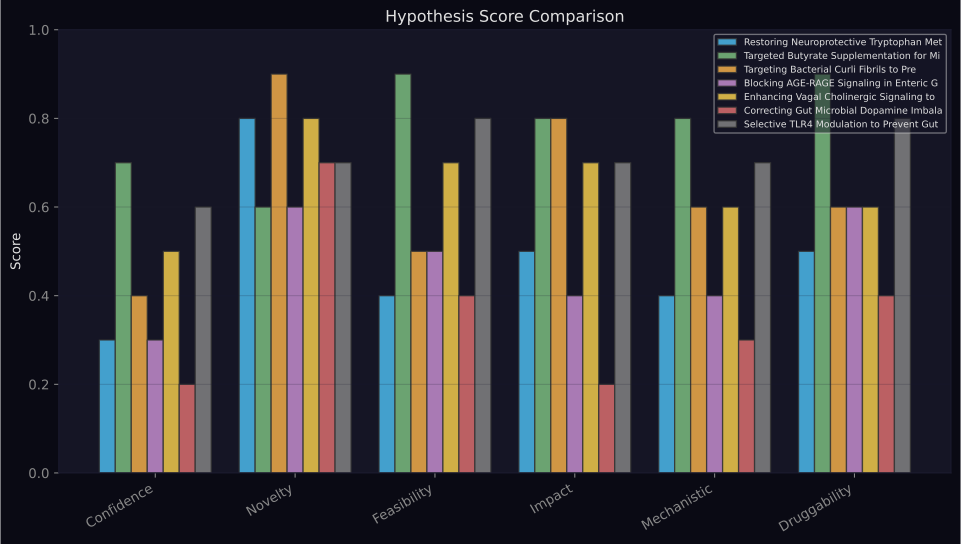
Looking at the debate between the Theorist's hypotheses, the Skeptic's critiques, and the Expert's feasibility assessment, I'll now synthesize these inputs and produce final scored rankings.
Knowledge Graph Visualization
activates (3)
associated with (1)
causes (2)
component of (1)
encodes (2)
interacts with (19)
participates in (1)
regulates (1)
Multi-Agent Debate
Four AI personas debated this research question, each bringing a distinct perspective. Click through to read the full transcript.
Top Hypotheses
## Mechanistic Overview Gut Microbiome Remodeling to Prevent Systemic NLRP3 Priming in Neurodegeneration proposes that intestinal dysbiosis creates systemic NLRP3 inflammasome priming through bacterial lipopolysaccharide (LPS) translocation, followed by secondary activation triggers in the central nervous system. Circulating LPS binds to Toll-like receptor 4 (TLR4) on peripheral monocytes and brain-resident microglia, initiating NF-κB-mediated transcriptional upregulation of NLRP3, pro-IL-1β, and pro-caspase-1 without full inflammasome assembly. This priming state sensitizes cells to subsequent danger-associated molecular patterns (DAMPs) such as aggregated amyloid-β or extracellular ATP, which serve as signal 2 activators that promote NLRP3-PYCARD oligomerization, caspase-1 activation, and mature IL-1β secretion. The resulting chronic neuroinflammatory cascade perpetuates microglial activation, blood-brain barrier dysfunction, and progressive neurodegeneration through sustained cytokine production and oxidative stress. ## Molecular and Cellular Rationale **NLRP3 (NLR Family Pyrin Domain Containing 3):** - Innate immune sensor; forms inflammasome complex with ASC (PYCARD) and pro-caspase-1 - Allen Human Brain Atlas: primarily expressed in microglia; low in neurons and astrocytes - NLRP3 expression increases 3–5× in AD microglia surrounding amyloid plaques - Activated by Aβ fibrils, tau aggregates, ROS, and extracellular ATP - NLRP3 knockout mice crossed with APP/PS1 show 50% reduced plaque burden and preserved cognition - MCC950 (NLRP3 inhibitor) rescues spatial memory in AD mouse models **CASP1 (Caspase-1):** - Inflammatory caspase; effector protease of the inflammasome - Cleaves pro-IL-1β and pro-IL-18 into mature inflammatory cytokines - Allen Human Brain Atlas: expressed in microglia and monocyte-derived macrophages in brain - Active caspase-1 detected in AD hippocampus by immunohistochemistry; correlates with CDR score - Also cleaves gasdermin D (GSDMD) to form membrane pores → pyroptotic cell death - VX-765 (caspase-1 inhibitor) reduces Aβ burden and inflammation in J20 mice **IL1B (Interleukin-1β):** - Pro-inflammatory cytokine; central mediator of neuroinflammation in AD - Allen Human Brain Atlas: induced expression in microglia; minimal constitutive expression - IL-1β elevated 2–6× in AD brain, CSF, and plasma - Drives tau phosphorylation via p38-MAPK and activates astrocytic A1 neurotoxic phenotype - Chronic IL-1β exposure impairs hippocampa...
## Mechanistic Overview Microglial AIM2 Inflammasome as the Primary Driver of TDP-43 Proteinopathy Neuroinflammation in ALS/FTD starts from the claim that modulating AIM2, CASP1, IL1B, PYCARD, TARDBP within the disease context of neurodegeneration can redirect a disease-relevant process. The original description reads: "## Mechanistic Overview Microglial AIM2 Inflammasome as the Primary Driver of TDP-43 Proteinopathy Neuroinflammation in ALS/FTD starts from the claim that modulating AIM2, CASP1, IL1B, PYCARD, TARDBP within the disease context of neurodegeneration can redirect a disease-relevant process. The original description reads: "## Molecular Mechanism and Rationale The AIM2 inflammasome in microglia represents a critical cytosolic DNA sensing pathway that bridges TDP-43 proteinopathy-induced mitochondrial dysfunction with sustained neuroinflammation in ALS and FTD. When TDP-43 mislocalizes from the nucleus to the cytoplasm in motor neurons and frontotemporal cortical neurons, it loses its essential RNA-binding functions that normally regulate mitochondrial transcript processing and respiratory complex assembly, leading to mitochondrial outer membrane permeabilization (MOMP) and release of mitochondrial DNA (mtDNA) into the extracellular space. Activated microglia phagocytose these mtDNA-containing debris fragments, triggering cytosolic AIM2 (Absent in Melanoma 2) to bind the exposed double-stranded mtDNA through its HIN-200 domain. This DNA binding induces AIM2 oligomerization and recruitment of the adaptor protein PYCARD (ASC), which in turn activates caspase-1 (CASP1) to form the mature inflammasome complex, resulting in proteolytic processing and secretion of IL-1β and IL-18, while simultaneously triggering pyroptotic microglial death that amplifies the inflammatory cascade. ## Preclinical Evidence Transgenic mouse models expressing mutant TDP-43 (A315T, M337V) demonstrate robust microglial AIM2 upregulation that precedes neuronal loss and correlates with disease progression, while AIM2 knockout mice show attenuated neuroinflammation and improved motor function when crossed with TDP-43 transgenic lines. Post-mortem analysis of ALS and FTD patient tissue reveals significantly elevated AIM2 expression specifically in activated microglia surrounding regions of TDP-43 pathology, with co-localization of cleaved caspase-1 and mature IL-1β immunoreactivity. Primary microglial cultures treated with mtDNA isolated from TDP-43-overexpressing motor neurons ...
## Mechanistic Overview Astrocyte-Intrinsic NLRP3 Inflammasome Activation by Alpha-Synuclein Aggregates Drives Non-Cell-Autonomous Neurodegeneration starts from the claim that modulating NLRP3, CASP1, IL1B, PYCARD within the disease context of neurodegeneration can redirect a disease-relevant process. The original description reads: "## Mechanistic Overview Astrocyte-Intrinsic NLRP3 Inflammasome Activation by Alpha-Synuclein Aggregates Drives Non-Cell-Autonomous Neurodegeneration starts from the claim that modulating NLRP3, CASP1, IL1B, PYCARD within the disease context of neurodegeneration can redirect a disease-relevant process. The original description reads: "## Molecular Mechanism and Rationale The NLRP3 inflammasome pathway in astrocytes represents a critical neuroinflammatory cascade initiated by alpha-synuclein (α-Syn) aggregate recognition and subsequent intracellular danger signal processing. Extracellular α-Syn fibrils bind to astrocytic Toll-like receptor 2 (TLR2) and CD44 surface receptors, triggering MyD88-dependent NF-κB activation that constitutes the essential priming signal for pro-IL-1β and NLRP3 upregulation. Following endocytic uptake via clathrin-mediated pathways, α-Syn aggregates induce lysosomal membrane permeabilization and cathepsin B release into the cytoplasm, while simultaneously triggering K+ efflux through P2X7 purinergic receptors. These converging danger signals promote NLRP3 oligomerization with the ASC adaptor protein (PYCARD) and procaspase-1, forming the mature inflammasome complex that processes pro-IL-1β into its bioactive form and triggers pyroptotic cell death pathways. ## Preclinical Evidence Transgenic mouse models overexpressing human α-Syn demonstrate selective NLRP3 upregulation in reactive astrocytes surrounding Lewy body-like pathology, with inflammasome activation preceding microglial recruitment and neuronal loss. Primary astrocyte cultures exposed to preformed α-Syn fibrils show dose-dependent IL-1β secretion that requires functional NLRP3, ASC, and caspase-1, while NLRP3-deficient astrocytes exhibit markedly reduced inflammatory responses and improved neuronal viability in co-culture systems. Genetic ablation of astrocytic NLRP3 in conditional knockout mice significantly attenuates α-Syn-induced neurodegeneration and preserves dopaminergic neurons, demonstrating the non-cell-autonomous neurotoxic effects of astrocyte inflammasome activation. Post-mortem analysis of Parkinson's disease and dementia with L...
Key Papers (295 total)
Linked Wiki Pages
Figures & Visualizations (171)
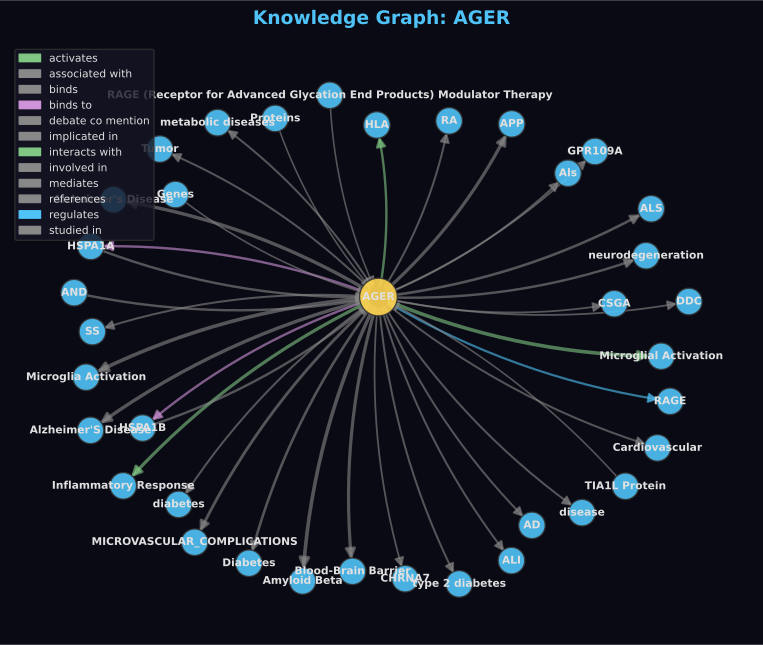
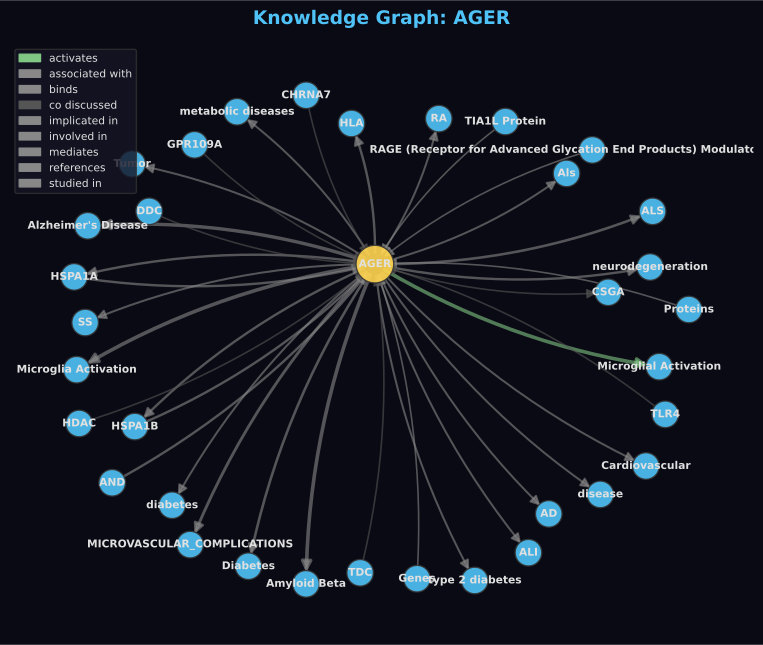
Tau propagation mechanisms and therapeutic interception points
Research Question
“Investigate prion-like spreading of tau pathology through connected brain regions, focusing on trans-synaptic transfer, extracellular vesicle-mediated spread, and intervention strategies at each propagation step”
The synthesis of theoretical hypotheses, critical evaluation, and practical feasibility assessment reveals a clear hierarchy among the seven proposed therapeutic approaches for tau propagation interception. The top-ranked hypotheses—chaperone enhancement via DNAJB1 and lysosomal enhancement via TFEB
Knowledge Graph Visualization
Multi-Agent Debate
Four AI personas debated this research question, each bringing a distinct perspective. Click through to read the full transcript.
Top Hypotheses
## Mechanistic Overview Extracellular Vesicle Biogenesis Modulation starts from the claim that modulating CHMP4B within the disease context of neurodegeneration can redirect a disease-relevant process. The original description reads: "**Background and Rationale** Tau protein pathology represents a hallmark of numerous neurodegenerative diseases, collectively termed tauopathies, including Alzheimer's disease, frontotemporal dementia, progressive supranuclear palsy, and chronic traumatic encephalopathy. While tau aggregation within neurons has been extensively studied, emerging evidence demonstrates that tau pathology spreads throughout the brain via prion-like mechanisms, contributing to disease progression and neuronal network dysfunction. Recent investigations have identified extracellular vesicles (EVs), particularly exosomes and microvesicles, as critical vehicles for intercellular tau transmission. These membrane-bound structures facilitate the transfer of pathological tau species between neurons, enabling the propagation of tau aggregates across anatomically connected brain regions in a stereotypical pattern that mirrors clinical disease progression. The biogenesis of extracellular vesicles is tightly regulated by the endosomal sorting complexes required for transport (ESCRT) machinery, a sophisticated protein network that controls membrane scission events during multivesicular body formation and exosome release. The ESCRT-III complex, comprising charged multivesicular body proteins (CHMPs), represents the final step in this process, with CHMP4B serving as a critical component that facilitates membrane constriction and eventual vesicle budding. The AAA-ATPase VPS4 provides the energy necessary for ESCRT-III disassembly and membrane scission completion. Given that pathological tau species are selectively enriched in EVs from tauopathy patients and experimental models, targeted modulation of ESCRT-III components presents a promising therapeutic strategy to limit tau propagation while preserving essential cellular functions. **Proposed Mechanism** The therapeutic hypothesis centers on selective inhibition of CHMP4B and VPS4 function to disrupt tau-containing EV biogenesis without compromising cellular viability. CHMP4B, encoded by the CHMP4B gene, forms polymeric filaments within the ESCRT-III complex that constrict endosomal membranes during intraluminal vesicle formation. This process is essential for incorporating cytosolic proteins, including misfold...
## Mechanistic Overview LRP1-Dependent Tau Uptake Disruption starts from the claim that modulating LRP1 within the disease context of neurodegeneration can redirect a disease-relevant process. The original description reads: "# LRP1-Dependent Tau Uptake Disruption in Tauopathic Neurodegeneration ## Background and Rationale The progressive spreading of hyperphosphorylated tau pathology throughout the brain represents a hallmark of Alzheimer's disease and related tauopathies, including progressive supranuclear palsy, corticobasal degeneration, and frontotemporal lobar degeneration with tau inclusions. Central to this spreading mechanism is the intercellular transfer of pathological tau species, wherein diseased neurons release tau aggregates that are subsequently internalized by neighboring cells, propagating proteopathic stress across neural circuits. Considerable evidence now identifies the low-density lipoprotein receptor-related protein 1 (LRP1) as a critical mediator of this uptake process. The present hypothesis proposes that disruption of LRP1-dependent tau internalization—through mechanisms including receptor downregulation, post-translational modification, or competitive ligand interference—contributes to the accumulation of extracellular tau aggregates, impaired glial clearance, and the relentless progression of tau pathology characteristic of neurodegenerative disease. ## Mechanistic Basis LRP1 is a large multiligand endocytic receptor belonging to the low-density lipoprotein receptor family, structurally characterized by cluster A ligand-binding repeats flanked by epidermal growth factor repeats and a cytoplasmic tail containing motifs for adaptor protein interactions. Expressed ubiquitously throughout the central nervous system, LRP1 appears on neuronal populations highly vulnerable to tau pathology, as well as on astrocytes and microglia where it subserves distinct physiological functions including lipid metabolism, extracellular matrix remodeling, and inflammatory regulation. Tau internalization via LRP1 proceeds through clathrin-mediated endocytosis, with the receptor's ligand-binding domains recognizing specific structural features present on pathological tau conformers. Research indicates that fibrillar and oligomeric tau species bind LRP1 with substantially higher affinity than monomeric tau, suggesting preferential uptake of the most toxic aggregation states. Upon binding, the tau-LRP1 complex internalizes into early endosomes, where the ...
## Mechanistic Overview VCP-Mediated Autophagy Enhancement starts from the claim that modulating VCP within the disease context of neurodegeneration can redirect a disease-relevant process. The original description reads: "## Mechanistic Overview VCP-Mediated Autophagy Enhancement starts from the claim that modulating VCP within the disease context of neurodegeneration can redirect a disease-relevant process. The original description reads: "**Background and Rationale** Valosin-containing protein (VCP), also known as p97, is a highly conserved AAA+ ATPase that plays critical roles in cellular proteostasis and autophagy. This hexameric protein complex is essential for extracting misfolded proteins from the endoplasmic reticulum, facilitating protein degradation through the ubiquitin-proteasome system, and regulating autophagosome maturation. In neurodegenerative diseases, particularly tauopathies such as Alzheimer's disease, frontotemporal dementia, and chronic traumatic encephalopathy, the accumulation of hyperphosphorylated tau protein in neurofibrillary tangles represents a major pathological hallmark. The cellular clearance mechanisms for tau aggregates become increasingly impaired with age and disease progression, suggesting that enhancing these pathways could provide therapeutic benefit. Recent evidence has highlighted the crucial role of VCP in autophagy, specifically in the processing and clearance of protein aggregates including tau. VCP functions at multiple stages of autophagy, from autophagosome formation to lysosomal fusion and cargo degradation. Mutations in VCP cause inclusion body myopathy with Paget's disease and frontotemporal dementia (IBMPFD), a multisystem degenerative disorder characterized by protein aggregation and autophagy dysfunction. This genetic evidence strongly supports the hypothesis that VCP activity is essential for proper protein aggregate clearance and neuronal survival. **Proposed Mechanism** The proposed therapeutic strategy involves developing selective allosteric activators that enhance VCP/p97 ATPase activity specifically in the context of tau-containing autophagosome processing. VCP functions as a molecular machine that uses ATP hydrolysis to extract ubiquitinated substrates from protein complexes and membranes. In the autophagy pathway, VCP is recruited to autophagosomes through interactions with cofactors such as UBXD1, p47, and Atg8 family proteins including LC3 and GABARAP. The mechanism would involve several ke...
Key Papers (423 total)
Linked Wiki Pages
Figures & Visualizations (13)
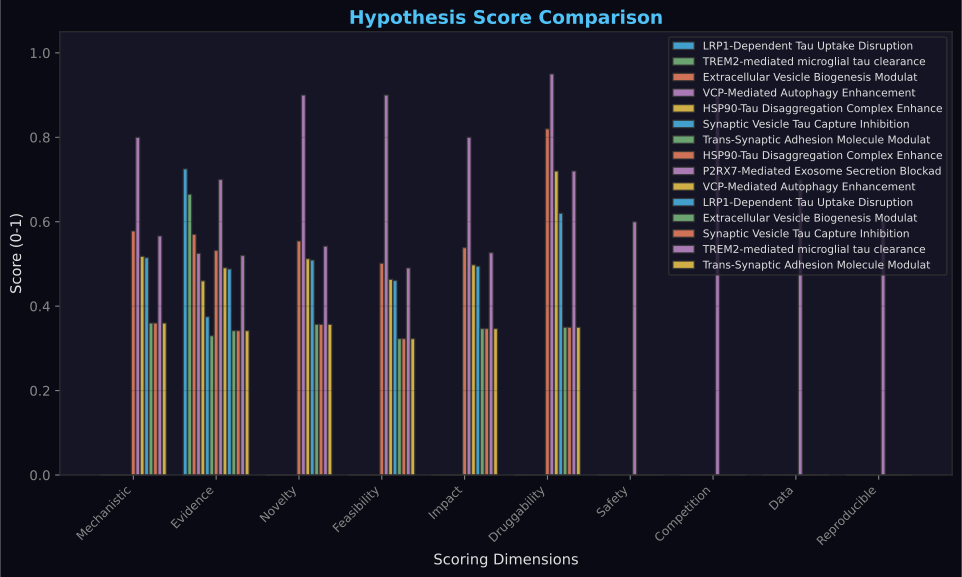
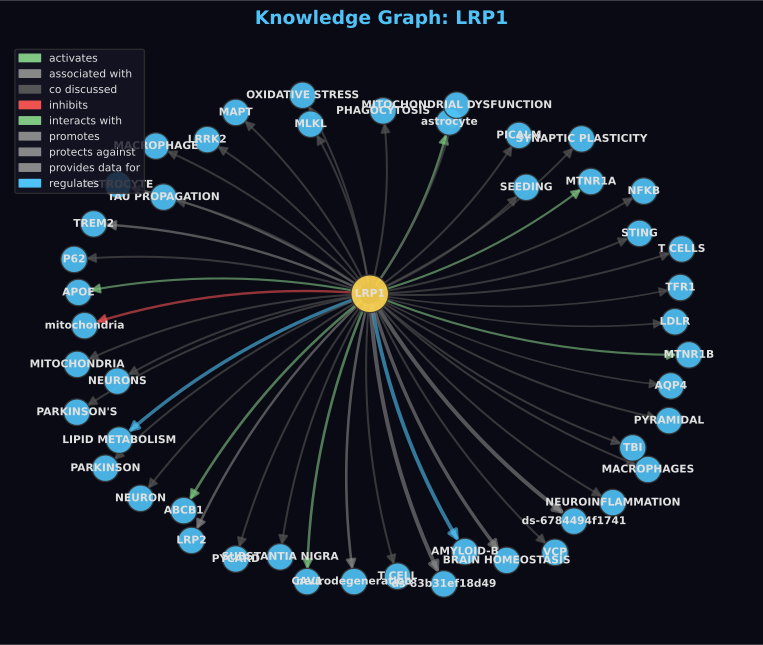
CRISPR-based therapeutic approaches for neurodegenerative diseases
Research Question
“Evaluate the potential of CRISPR/Cas9 and related gene editing technologies for treating neurodegenerative diseases including Alzheimer disease, Parkinson disease, Huntington disease, and ALS. Consider approaches targeting causal mutations (e.g., HTT CAG repeats, SOD1, APP), epigenetic modulation (CRISPRa/CRISPRi), base editing, prime editing, and in vivo delivery challenges (AAV, lipid nanoparticles, blood-brain barrier penetration). Assess current preclinical evidence, ongoing clinical trials, and key hurdles for clinical translation.”
The synthesis reveals that while all seven CRISPR-based therapeutic hypotheses demonstrate innovative thinking, their feasibility varies dramatically. The APOE4-to-APOE3 prime editing approach emerges as the most promising (composite score 0.73), benefiting from strong mechanistic rationale, validat
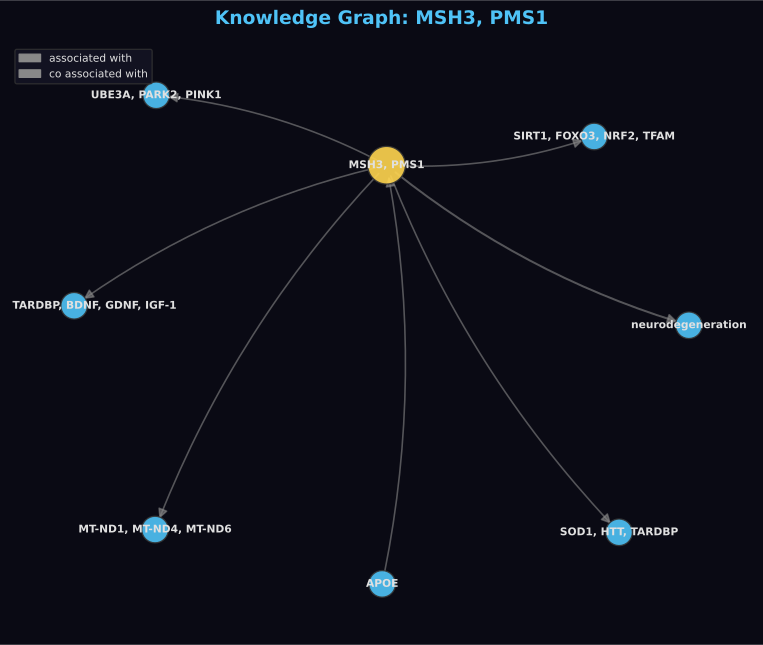
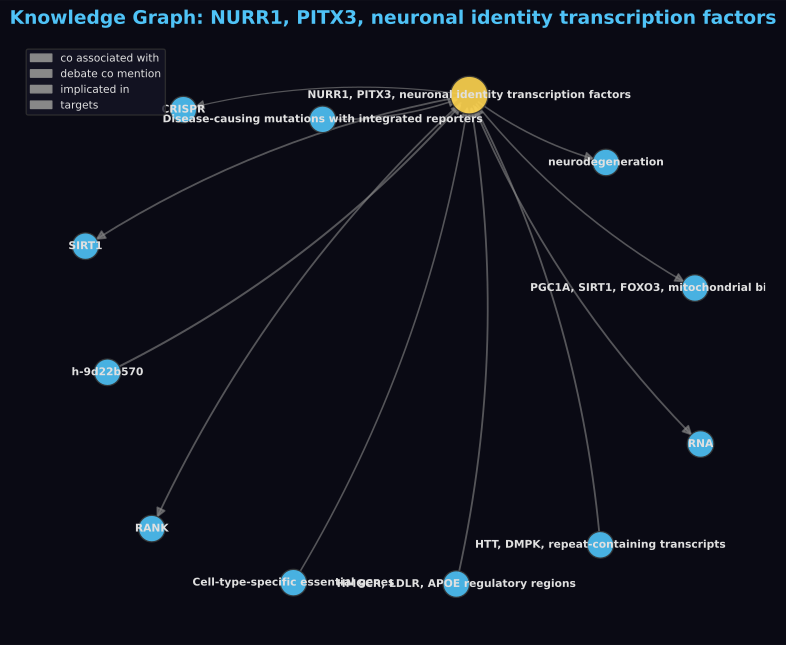
Knowledge Graph Visualization
co discussed (30)
▸ Show 25 more
Multi-Agent Debate
Four AI personas debated this research question, each bringing a distinct perspective. Click through to read the full transcript.
Top Hypotheses
## Mechanistic Overview Prime Editing Precision Correction of APOE4 to APOE3 in Microglia starts from the claim that modulating APOE within the disease context of neurodegeneration can redirect a disease-relevant process. The original description reads: "## Mechanistic Overview Prime Editing Precision Correction of APOE4 to APOE3 in Microglia starts from the claim that modulating APOE within the disease context of neurodegeneration can redirect a disease-relevant process. The original description reads: "# Prime Editing Precision Correction of APOE4 to APOE3 in Microglia ## Molecular Mechanism and Rationale The apolipoprotein E4 (APOE4) variant represents the strongest genetic risk factor for late-onset Alzheimer's disease, conferring a 3-fold increased risk in heterozygotes and 12-fold risk in homozygotes compared to the protective APOE3 allele. The pathogenic C130R substitution in APOE4 fundamentally alters protein structure, reducing lipid binding affinity and promoting aberrant protein aggregation. Prime editing offers unprecedented precision to correct this single nucleotide variant (SNV) by converting the pathogenic CGC codon (encoding arginine at position 130) to the protective TGC codon (encoding cysteine), effectively transforming APOE4 into the neuroprotective APOE3 isoform. The prime editing system employs a modified Cas9 nickase fused to reverse transcriptase, guided by a prime editing guide RNA (pegRNA) that specifies both the target site and the desired edit. This approach enables precise C-to-T conversion at nucleotide 388 of the APOE coding sequence without generating double-strand breaks, minimizing off-target mutagenesis and cellular toxicity. Targeting microglia specifically capitalizes on their role as the brain's primary APOE producers, accounting for approximately 60% of central nervous system APOE expression under homeostatic conditions. ## Preclinical Evidence Foundational studies demonstrate that APOE isoform conversion significantly impacts microglial function and neuroinflammatory responses. Microglia expressing APOE4 exhibit enhanced inflammatory activation, impaired phagocytic clearance of amyloid-β plaques, and reduced synaptic pruning efficiency compared to APOE3-expressing cells. Transgenic mouse models replacing human APOE4 with APOE3 show dramatic reductions in amyloid deposition, tau pathology, and cognitive decline, establishing proof-of-concept for therapeutic benefit. Prime editing efficacy has been validated in primar...
## Mechanistic Overview Context-Dependent CRISPR Activation in Specific Neuronal Subtypes starts from the claim that modulating Cell-type-specific essential genes within the disease context of neurodegeneration can redirect a disease-relevant process. The original description reads: "**Background and Rationale** Neurodegeneration encompasses a diverse array of disorders characterized by progressive loss of specific neuronal populations, including Alzheimer's disease, Parkinson's disease, Huntington's disease, and amyotrophic lateral sclerosis (ALS). A fundamental challenge in developing effective therapeutics is the cellular heterogeneity of the central nervous system, where different neuronal subtypes exhibit distinct vulnerabilities and responses to pathological insults. Traditional gene therapy approaches often employ broad, non-selective promoters that lead to widespread transgene expression across multiple cell types, potentially causing off-target effects and diluting therapeutic efficacy. Recent advances in single-cell RNA sequencing and spatial transcriptomics have revealed unprecedented cellular diversity within the brain, identifying specific neuronal subtypes that are preferentially affected in different neurodegenerative conditions. For instance, dopaminergic neurons in the substantia nigra are selectively vulnerable in Parkinson's disease, while motor neurons are primarily affected in ALS. This cellular specificity of neurodegeneration suggests that targeted therapeutic interventions directed at vulnerable cell populations could provide superior therapeutic outcomes compared to broad-spectrum approaches. The development of context-dependent CRISPR activation (CRISPRa) systems represents a paradigm shift in precision medicine for neurodegeneration, offering the potential to selectively enhance neuroprotective gene expression programs in disease-relevant neuronal subtypes while avoiding perturbation of healthy cell populations. **Proposed Mechanism** The context-dependent CRISPR activation system employs a multi-component approach utilizing adeno-associated virus (AAV) vectors to deliver cell-type-specific regulatory elements coupled with CRISPR-dCas9 activation machinery. The core mechanism involves the catalytically inactive Cas9 (dCas9) protein fused to transcriptional activators such as VP64, p65, or the more potent VPR (VP64-p65-Rta) domain. Single guide RNAs (sgRNAs) direct the dCas9-activator complex to specific promoter or enhancer regio...
## Mechanistic Overview Temporal CAG Repeat Stabilization via CRISPR-Mediated DNA Mismatch Repair Modulation starts from the claim that modulating MSH3, PMS1 within the disease context of neurodegeneration can redirect a disease-relevant process. The original description reads: "## Mechanistic Overview Temporal CAG Repeat Stabilization via CRISPR-Mediated DNA Mismatch Repair Modulation starts from the claim that modulating MSH3, PMS1 within the disease context of neurodegeneration can redirect a disease-relevant process. The original description reads: "## Temporal CAG Repeat Stabilization via CRISPR-Mediated DNA Mismatch Repair Modulation ### Mechanistic Hypothesis Overview The "Temporal CAG Repeat Stabilization via CRISPR-Mediated DNA Mismatch Repair Modulation" hypothesis addresses the fundamental molecular mechanism underlying Huntington's disease and certain ALS/FTD syndromes: the progressive expansion of unstable CAG triplet repeats in specific genes (HTT in HD, ATXN2/ATXN1/ATXN7 in spinocerebellar ataxias, C9orf72 in ALS/FTD). The central claim is that modulating the DNA mismatch repair (MMR) machinery — specifically MSH3, MSH2, and POLD3 — can prevent further CAG repeat expansion in neurons, thereby stabilizing the disease trajectory. ### Biological Rationale and Disease Context CAG repeat expansion is a somatic, age-dependent process that accelerates disease onset and progression in polyglutamine diseases. In Huntington's disease, patients with 36-39 CAG repeats are incompletely penetrant; those with >40 repeats will develop HD with near certainty, but the age of onset is modulated by the rate of somatic expansion. The MMR proteins MSH3 and MSH2 form a heterodimer (MSH2-MSH3) that recognizes hairpin structures formed by CAG repeats during DNA replication and directs them toward repair pathways. In neurons (which are post-mitotic), this repair is error-prone and tends to add CAG repeats rather than remove them. The key insight is that MSH3 expression levels correlate with somatic expansion rate: lower MSH3 = slower expansion = later onset and slower progression. Human genetics evidence is compelling — a nonsense variant in MSH3 (rs63751224, p.Gln518*) that reduces functional MSH3 protein is associated with a 7-year delay in HD onset in heterozygotes. Similarly, a GWAS signal near the PMS2 gene (another MMR component) modifies HD progression rate. ### Detailed Mechanistic Model Stage 1, CAG hairpin formation: during transcription or DNA repair, C...
Key Papers (194 total)
Linked Wiki Pages
Figures & Visualizations (7)
Gene expression changes in aging mouse brain predicting neurodegenerative vulnerability
Research Question
“What gene expression changes in the aging mouse brain predict neurodegenerative vulnerability? Use Allen Aging Mouse Brain Atlas data. Cross-reference with human AD datasets. Produce hypotheses about aging-neurodegeneration mechanisms.”
Based on my synthesis of the Theorist's hypotheses, Skeptic's critiques, and Expert's feasibility assessment, here's the final JSON output:
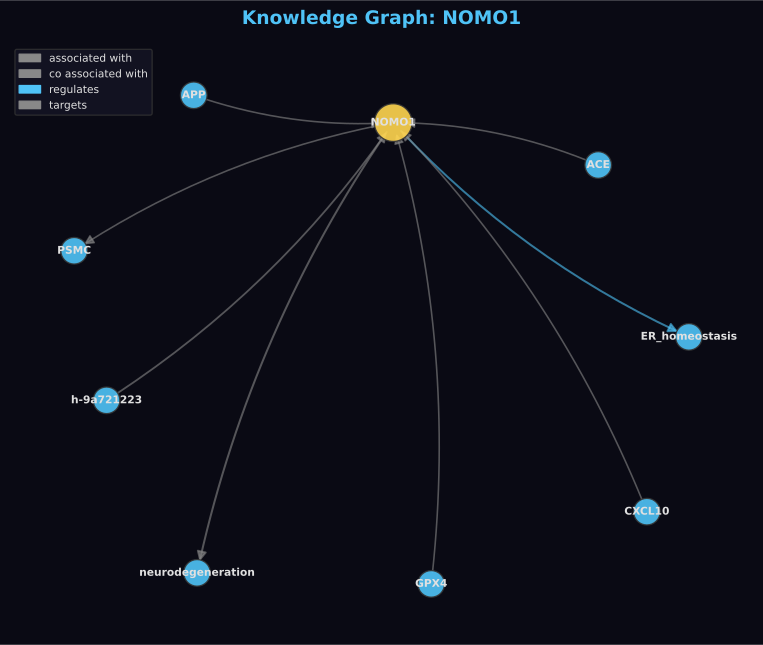
Knowledge Graph Visualization
co discussed (30)
Multi-Agent Debate
Four AI personas debated this research question, each bringing a distinct perspective. Click through to read the full transcript.
Top Hypotheses
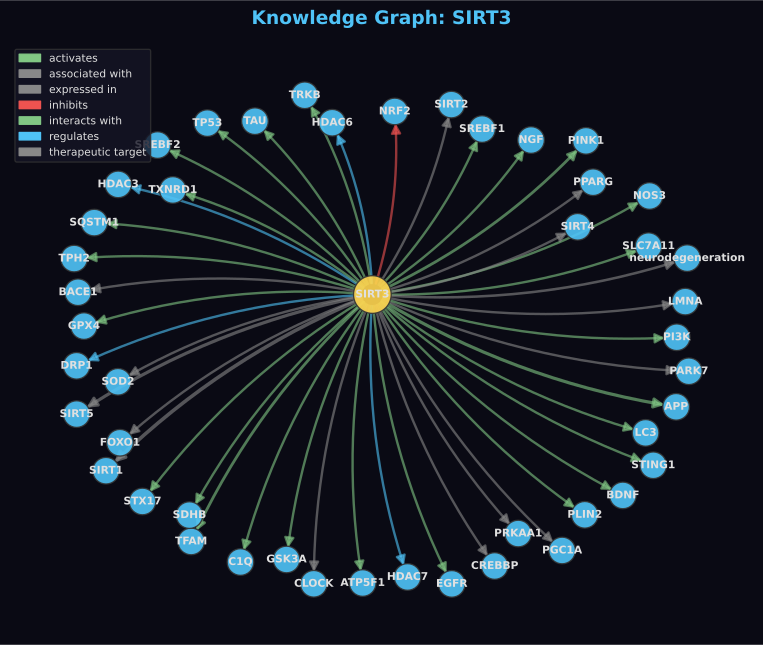
## Mechanistic Overview SIRT1 (Sirtuin 1), a class III NAD+-dependent histone deacetylase, functions as a master metabolic sensor that couples cellular energy status to transcriptional programs governing longevity and stress resistance. In healthy microglia, SIRT1 maintains cellular homeostasis through deacetylation of key transcriptional regulators including PGC1α, p53, and FOXO transcription factors. During aging, declining NAD+ levels and oxidative stress lead to SIRT1 downregulation, triggering a cascade of cellular dysfunction that culminates in microglial senescence. The molecular pathway begins with SIRT1's direct deacetylation of PGC1α at lysine residues K13 and K779, activating PGC1α's coactivator function and promoting transcription of nuclear respiratory factors NRF1 and NRF2, which subsequently upregulate mitochondrial transcription factor A (TFAM) and other genes essential for mitochondrial biogenesis. SIRT1 also deacetylates p53 at lysine 382, reducing its pro-apoptotic transcriptional activity while enhancing its role in DNA repair and metabolic regulation. FOXO1 and FOXO3 deacetylation by SIRT1 increases their nuclear translocation and transcriptional activity, promoting expression of autophagy genes including ATG5, ATG7, and LC3B, as well as antioxidant enzymes such as catalase and manganese superoxide dismutase. TREM2 (Triggering Receptor Expressed on Myeloid cells 2) represents a crucial checkpoint in this pathway, as age-related dysfunction in TREM2 signaling disrupts the normal metabolic programming that maintains microglial homeostasis. TREM2 typically signals through DAP12 to activate SYK kinase, which subsequently phosphorylates and activates the PI3K-AKT pathway [PMID:36306735]. This signaling cascade supports microglial survival and metabolic activity through mTOR activation and enhanced glucose uptake [PMID:28802038]. During aging, accumulated DAMPs and inflammatory stimuli cause TREM2 signaling to shift toward a chronic activation state that depletes cellular energy reserves and promotes senescence. This pathological TREM2 activation coincides with AMPK dysfunction, breaking the critical AMPK-SIRT1-PGC1α nutrient-sensing circuit that normally coordinates cellular energy status with transcriptional responses. ## Molecular and Cellular Rationale The nominated target genes are `SIRT1` and the pathway label is `AMPK-SIRT1-PGC1α nutrient-sensing circuit in TREM2+ microglia`. TREM2 is predominantly expressed in microglia across a...
## Mechanistic Overview TREM2 (Triggering Receptor Expressed on Myeloid cells 2) is a type I transmembrane glycoprotein predominantly expressed on microglia in the central nervous system, where it associates with the adaptor protein TYROBP (DAP12) to form a functional signaling complex. Upon ligand binding—including phospholipids, lipoproteins, and amyloid-β oligomers—TREM2 undergoes conformational changes that enable TYROBP phosphorylation by Src family kinases, creating docking sites for SYK kinase, which initiates downstream signaling cascades involving PI3K/AKT, PLCγ, and calcium mobilization pathways that promote microglial survival, proliferation, and phagocytic activity [PMID:36306735]. In the healthy brain, TREM2-competent microglia maintain astrocytes in a homeostatic state through secretion of anti-inflammatory cytokines including IL-10, TGF-β, and BDNF, which bind to their respective receptors on astrocytes and maintain expression of glutamate transporter GLT-1, aquaporin-4 water channels, and connexin-43 gap junction proteins essential for synaptic support and ionic homeostasis. When TREM2 signaling becomes compromised through aging-related downregulation, loss-of-function variants (R47H, R62H), or pathological conditions, microglia shift toward a pro-inflammatory state and increase production of TNF-α, IL-1β, and IL-6, which activate astrocytic NF-κB and STAT3 signaling pathways, promoting the neurotoxic A1 reactive astrocyte phenotype characterized by upregulation of complement cascade components (C3, C1q) and loss of synaptic support functions [PMID:28802038]. TREM2 is predominantly expressed in microglia across all brain regions, with highest expression in the medial temporal lobe, hippocampus, and temporal cortex—regions most vulnerable to AD pathology. Single-cell RNA-seq from SEA-AD reveals TREM2 upregulation in disease-associated microglia (DAM) clusters, with 3–5× increased expression compared to homeostatic microglia [PMID:31932797]. Age-dependent analysis shows progressive TREM2 upregulation from age 60+, correlating with amyloid plaque density. TREM2 expression is inversely correlated with microglial senescence markers (p16, p21), supporting the hypothesis that TREM2 signaling protects against senescence transition [PMID:28802038]. ## Molecular and Cellular Rationale The pathway label is `TREM2/TYROBP microglial signaling → astrocyte-microglia crosstalk disruption`. TREM2 sits near a control bottleneck that integrates multiple ...
**Molecular Mechanism and Rationale** The TREM2-CSF1R metabolic cross-talk hypothesis centers on the intricate molecular interactions between triggering receptor expressed on myeloid cells 2 (TREM2) and colony-stimulating factor 1 receptor (CSF1R) signaling cascades that collectively orchestrate microglial metabolic homeostasis. TREM2, a transmembrane glycoprotein predominantly expressed on microglia, functions as a pattern recognition receptor that binds diverse ligands including phospholipids, lipoproteins, and amyloid-β oligomers through its immunoglobulin-like domain. Upon ligand engagement, TREM2 associates with the adaptor protein DAP12 (DNAX activation protein 12), which contains immunoreceptor tyrosine-based activation motifs (ITAMs). This interaction triggers phosphorylation of DAP12 by Src family kinases, subsequently recruiting and activating spleen tyrosine kinase (SYK). Activated SYK initiates multiple downstream signaling cascades, including phosphoinositide 3-kinase (PI3K)/protein kinase B (AKT) and phospholipase C gamma (PLCγ) pathways. Concurrently, CSF1R, a receptor tyrosine kinase essential for microglial survival and proliferation, responds to its ligands colony-stimulating factor 1 (CSF1) and interleukin-34 (IL-34). CSF1R dimerization and autophosphorylation create docking sites for multiple signaling proteins, activating PI3K/AKT, mitogen-activated protein kinase (MAPK), and Janus kinase/signal transducer and activator of transcription (JAK/STAT) pathways. The convergence of TREM2 and CSF1R signaling occurs at multiple nodes, particularly through shared activation of PI3K/AKT pathways and downstream metabolic regulators. Under homeostatic conditions, this cross-talk promotes oxidative metabolism by activating peroxisome proliferator-activated receptor gamma coactivator 1-alpha (PGC-1α), the master regulator of mitochondrial biogenesis. Both TREM2 and CSF1R signaling converge on mechanistic target of rapamycin complex 1 (mTORC1), which integrates nutrient and energy signals to coordinate anabolic processes. The balanced activation promotes fatty acid oxidation through carnitine palmitoyltransferase 1A (CPT1A) upregulation and enhances tricarboxylic acid (TCA) cycle flux. This metabolic programming supports ATP-dependent processes crucial for phagocytosis, including phagosome formation, lysosomal fusion, and debris processing. Additionally, the TREM2-CSF1R axis regulates cholesterol homeostasis through sterol regulatory element-bindi...
Key Papers (338 total)
Linked Wiki Pages
Figures & Visualizations (13)
Neuroinflammation and microglial priming in early Alzheimer's Disease
Research Question
“Investigate mechanistic links between early microglial priming states, neuroinflammatory signaling, and downstream neurodegeneration in preclinical and prodromal AD.”
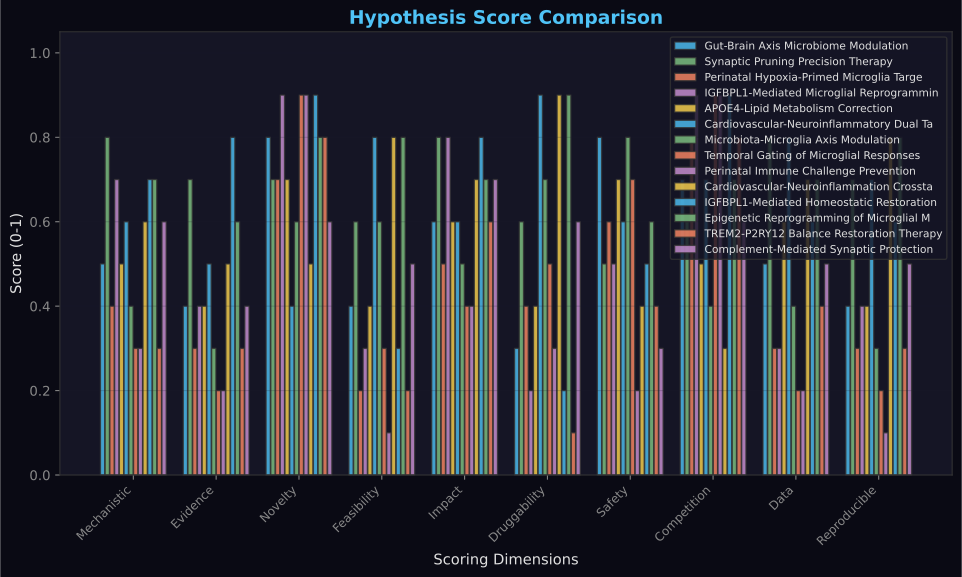
The synthesis reveals IGFBPL1-mediated microglial homeostasis reset therapy as the most promising hypothesis, scoring 0.67 due to strong mechanistic plausibility and high novelty, despite limitations in evidence base and feasibility. This approach offers a direct, biologically grounded intervention
Knowledge Graph Visualization
associated with (9)
associated with microglial priming (12)
co associated with (3)
maintains (1)
mediates (1)
modulates (1)
programs (1)
promotes (1)
regulates (1)
Multi-Agent Debate
Four AI personas debated this research question, each bringing a distinct perspective. Click through to read the full transcript.
Top Hypotheses
## Molecular Mechanism and Rationale The microbiota-microglia axis represents a sophisticated bidirectional communication network that fundamentally influences neuroinflammatory processes and microglial phenotypic states. This therapeutic approach targets the transition from homeostatic microglia to disease-associated microglia (DAM) through precision modulation of gut-derived metabolites and their downstream signaling cascades. The molecular foundation of this strategy centers on the recognition that gut microbiota produce numerous bioactive metabolites, including short-chain fatty acids (SCFAs), secondary bile acids, tryptophan metabolites, and lipopolysaccharide fragments, which traverse the blood-brain barrier and directly interact with microglial pattern recognition receptors and metabolic sensors. The primary mechanistic pathway involves microbiota-derived butyrate, propionate, and acetate acting as ligands for the free fatty acid receptors FFAR2 (GPR43) and FFAR3 (GPR41) expressed on microglia. Upon binding, these GPCRs activate the cAMP-PKA signaling cascade, leading to phosphorylation and activation of CREB transcription factor. Activated CREB subsequently upregulates anti-inflammatory gene expression programs, including IL-10, Arg1, and Fizz1, while simultaneously suppressing NF-κB-mediated pro-inflammatory transcription. This metabolic reprogramming shifts microglial energy metabolism from glycolysis toward oxidative phosphorylation, a hallmark of the homeostatic M2-like phenotype. Additionally, the tryptophan-kynurenine pathway plays a crucial role in this axis. Gut bacteria such as Lactobacillus and Bifidobacterium species produce tryptophan metabolites including indole-3-aldehyde and indole-3-acetic acid, which activate the aryl hydrocarbon receptor (AhR) pathway in microglia. AhR activation promotes the expression of anti-inflammatory genes while inhibiting the NLRP3 inflammasome assembly through direct transcriptional suppression of NLRP3 and ASC components. This mechanism is particularly relevant for preventing the DAM transition, as NLRP3 inflammasome activation and subsequent IL-1β and IL-18 release are key drivers of pathological microglial activation in neurodegenerative diseases. The molecular rationale for this approach is strengthened by the understanding that microglial cells express numerous receptors for gut-derived metabolites, including the bile acid receptors TGR5 and FXR, which respond to secondary bile acids produced by ...
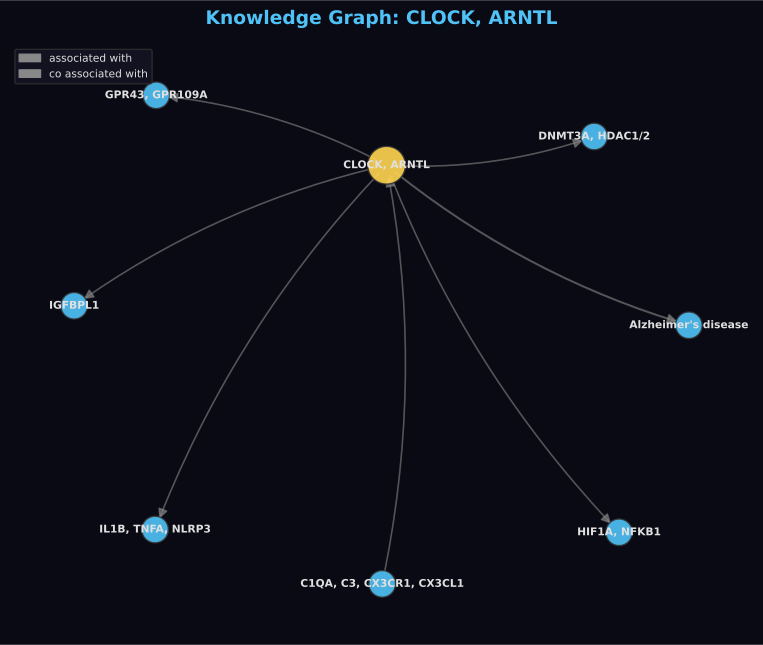
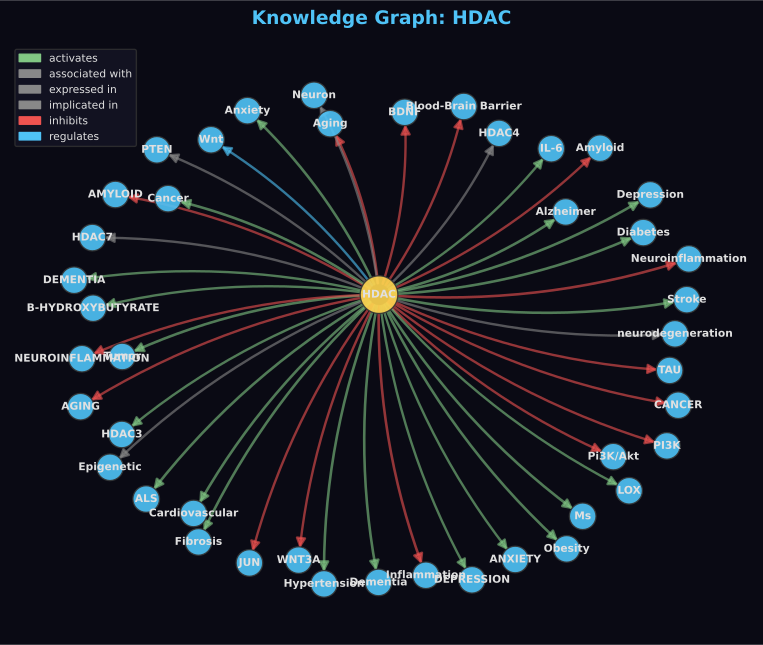
## Mechanistic Overview Epigenetic Reprogramming of Microglial Memory starts from the claim that modulating DNMT3A, HDAC1/2 within the disease context of Alzheimer's disease can redirect a disease-relevant process. The original description reads: "# Epigenetic Reprogramming of Microglial Memory: A Novel Approach to Preventing Neurodegeneration ## Scientific Background Neuroinflammation represents a critical pathological hallmark of neurodegenerative diseases, with microglia—the resident immune cells of the central nervous system—emerging as central orchestrators of this process. Microglial activation is characterized not merely by acute inflammatory responses but by the establishment of a persistent pathological memory state that perpetuates neuroinflammatory cascades long after initial insult resolution. This phenomenon, termed "microglial priming," involves epigenetic modifications that lock microglia into a pro-inflammatory phenotype through altered chromatin architecture and sustained transcriptional reprogramming. Specifically, reduced histone acetylation and increased DNA methylation at promoters of inflammatory genes (such as *IL-1β*, *TNF-α*, and *IL-6*) create a self-sustaining epigenetic landscape that renders microglia hyper-responsive to subsequent stimuli and resistant to resolution signals. The concept of microglial priming represents a fundamental shift in understanding chronic neuroinflammation. Unlike acute microglial activation, which follows a defined temporal pattern of activation and resolution, primed microglia exist in a quasi-stable intermediate state characterized by basal up-regulation of inflammatory gene networks and dramatically amplified responses to secondary challenges. This phenomenon bears mechanistic parallels to the concept of "trained immunity" described in peripheral immune cells, wherein epigenetic reprogramming following initial stimulation produces persistent changes in responsiveness to subsequent stimuli. However, microglial priming operates through distinct epigenetic machinery and occurs within the unique microenvironment of the central nervous system, where microglial interactions with neurons, astrocytes, and oligodendrocytes shape both normal function and pathological outcomes. DNA methyltransferases (DNMTs), particularly DNMT3A, and histone deacetylases (HDACs), especially HDAC1 and HDAC2, function as molecular architects of this pathological memory. DNMT3A catalyzes de novo DNA methylation at regulatory reg...
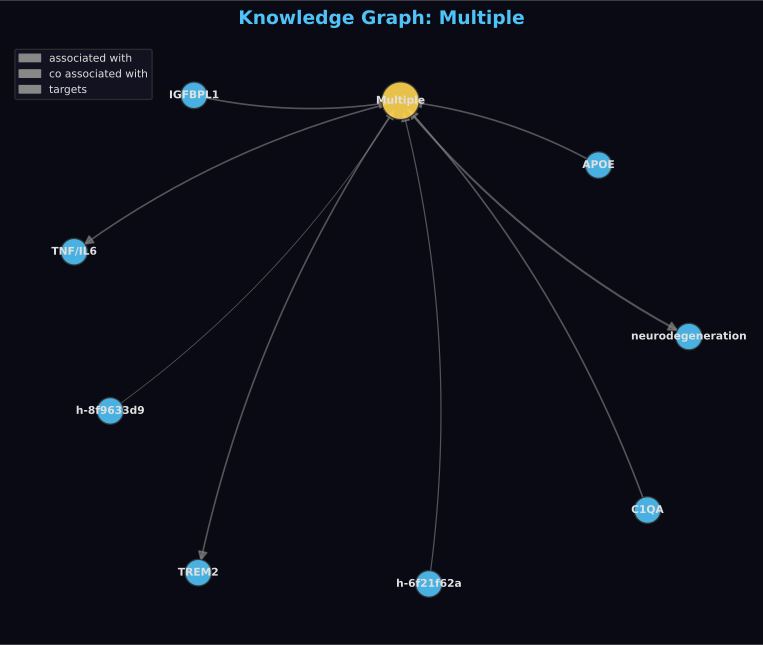
## Mechanistic Overview Cardiovascular-Neuroinflammatory Dual Targeting starts from the claim that modulating TNF/IL6 within the disease context of neurodegeneration can redirect a disease-relevant process. The original description reads: "## Mechanistic Overview Cardiovascular-Neuroinflammatory Dual Targeting starts from the claim that modulating TNF/IL6 within the disease context of neurodegeneration can redirect a disease-relevant process. The original description reads: "## Cardiovascular-Neuroinflammatory Dual Targeting ### Mechanistic Hypothesis Overview The "Cardiovascular-Neuroinflammatory Dual Targeting" hypothesis proposes that the strong epidemiological link between cardiovascular risk factors (hypertension, hypercholesterolemia, atherosclerosis, type 2 diabetes) and Alzheimer's disease risk reflects a shared inflammatory mechanism, and that therapies targeting the cardiovascular-neuroinflammatory axis simultaneously can achieve greater disease modification than either approach alone. The central mechanistic claim is that systemic vascular inflammation drives CNS neuroinflammation through a breached blood-brain barrier (BBB), and that vascular-directed anti-inflammatory therapies (PCSK9 inhibitors, SGLT2 inhibitors, IL-6 receptor antagonists) can reduce both peripheral and CNS inflammation, providing dual benefit. ### Biological Rationale and Disease Context The cardiovascular disease-AD connection is one of the most robust epidemiological findings in dementia research. Midlife hypertension increases AD risk 2-4 fold; hypercholesterolemia, atherosclerosis, and type 2 diabetes similarly increase risk. Neuroimaging studies show that vascular risk factors are associated with increased white matter hyperintensities, cerebral microbleeds, and reduced cerebral blood flow — all indicators of vascular contribution to cognitive decline. The emerging mechanistic explanation is that systemic inflammation (from vascular disease) drives chronic low-level CNS inflammation through BBB compromise, microglial activation, and impaired Aβ clearance. The specific biological pathway involves endothelial dysfunction: vascular risk factors cause endothelial activation and increased expression of adhesion molecules (VCAM-1, ICAM-1), which recruits inflammatory monocytes to the brain perivascular space. These monocytes differentiate into pro-inflammatory macrophages that release IL-6, TNF-α, and IL-1β, activating perivascular microglia and promoting Aβ production by...
Key Papers (246 total)
Linked Wiki Pages
Figures & Visualizations (11)
Senolytic therapy for age-related neurodegeneration
Research Question
“What are the mechanisms underlying senolytic therapy for age-related neurodegeneration?”
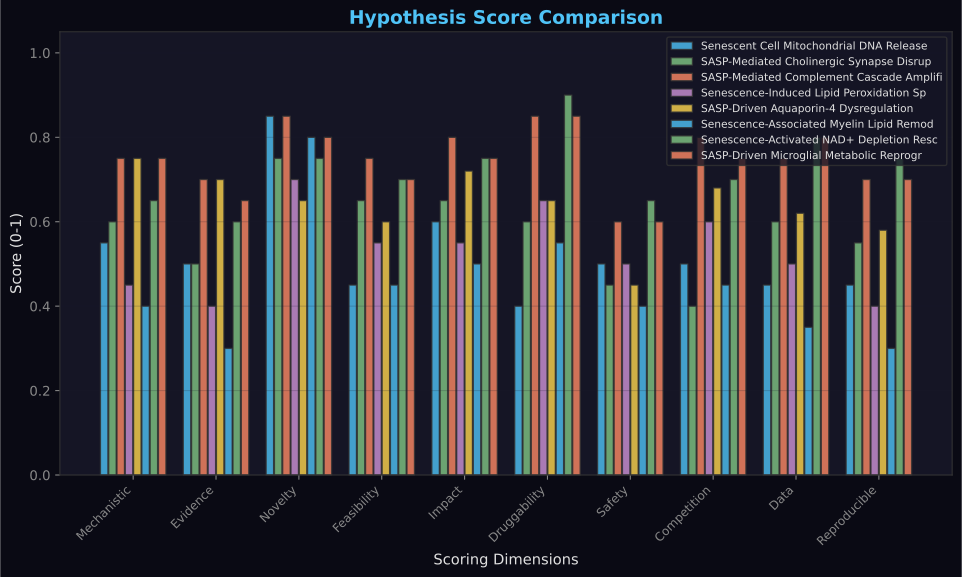
The synthesis reveals two leading therapeutic hypotheses with the highest translational potential for age-related neurodegeneration. The SASP-mediated complement cascade amplification (score: 0.755) emerges as the top candidate due to strong mechanistic plausibility, excellent druggability with exis
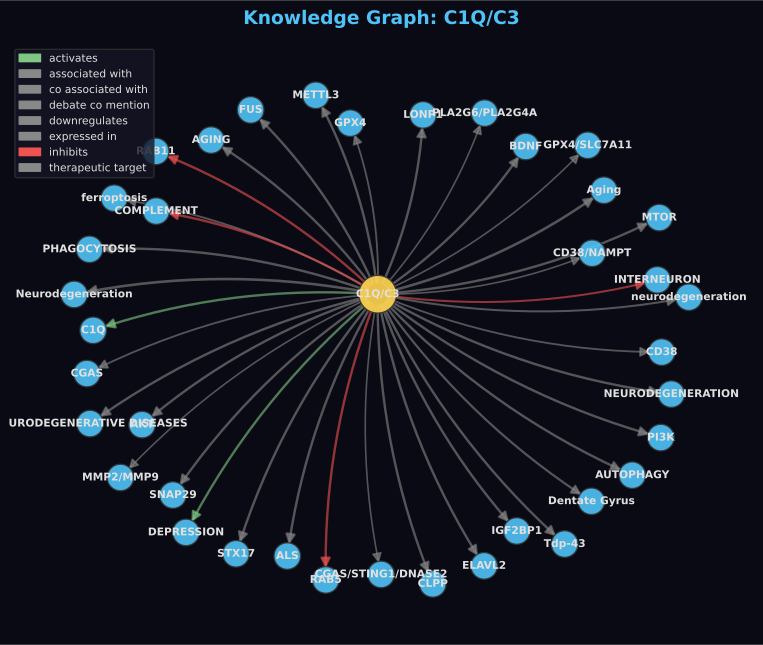
Knowledge Graph Visualization
associated with (6)
▸ Show 1 more
co discussed (9)
Multi-Agent Debate
Four AI personas debated this research question, each bringing a distinct perspective. Click through to read the full transcript.
Top Hypotheses
## Mechanistic Overview SASP-Mediated Complement Cascade Amplification starts from the claim that modulating C1Q/C3 within the disease context of neurodegeneration can redirect a disease-relevant process. The original description reads: "**SASP-Mediated Complement Cascade Amplification in Alzheimer's Disease** **Overview: Senescence, Inflammation, and Synaptic Loss** Cellular senescence—a state of irreversible growth arrest accompanied by a pro-inflammatory secretome—accumulates dramatically with age and in Alzheimer's disease. Senescent astrocytes and microglia secrete the senescence-associated secretory phenotype (SASP), a cocktail of cytokines, chemokines, proteases, and critically, complement cascade initiators including C1q, C3, and C4. This creates focal zones of complement activation that "tag" healthy synapses for elimination by microglia through a process called complement-mediated synaptic pruning—a physiological mechanism during development that becomes pathologically reactivated in neurodegeneration. This hypothesis posits that SASP-driven complement activation is a central mechanism of early synaptic loss in AD, occurring before substantial Aβ plaque accumulation or neuronal death. Therapeutic inhibition of complement specifically within senescent cell microenvironments could prevent synapse loss while preserving beneficial immune surveillance. **Molecular Mechanisms** **1. SASP Composition and Complement Components** Senescent astrocytes identified by p16INK4a expression show 10-40-fold upregulation of: - **C1q**: Classical complement pathway initiator, directly binds synaptic proteins - **C1r/C1s**: Serine proteases forming C1 complex with C1q - **C3**: Central complement component, cleaved to C3b (opsonin) and C3a (inflammatory) - **C4**: Amplification component of classical pathway - **CFB (Factor B)**: Alternative pathway amplifier, creating positive feedback loop - **IL-1α, IL-6, TNF-α**: Pro-inflammatory cytokines that promote further senescence and complement expression in neighboring cells The key insight: senescent cells don't just produce complement—they create localized "complement storms" with concentrations 100-1000x higher than surrounding tissue. **2. Synaptic Complement Tagging** C1q binds to "eat-me" signals on synapses: - **Phosphatidylserine**: Externalized on synaptic membranes under metabolic stress - **Oxidized lipids**: Products of oxidative damage abundant in AD - **Complement receptors**: CR1, CR3 on synaptic structur...
## Mechanistic Overview SASP-Driven Aquaporin-4 Dysregulation starts from the claim that modulating AQP4 within the disease context of neurodegeneration can redirect a disease-relevant process. The original description reads: "**Molecular Mechanism and Rationale** The senescence-associated secretory phenotype (SASP) represents a critical pathophysiological mechanism underlying age-related neurodegeneration through its disruption of the glymphatic clearance system. Senescent astrocytes, which accumulate progressively with aging and in neurodegenerative conditions, undergo a dramatic shift in their secretory profile, producing elevated levels of pro-inflammatory cytokines including tumor necrosis factor-alpha (TNF-α), interleukin-1 beta (IL-1β), interleukin-6 (IL-6), and chemokines such as CCL2 and CXCL1. This inflammatory milieu creates a paracrine signaling cascade that fundamentally alters the function of neighboring healthy astrocytes, particularly affecting their expression and polarization of aquaporin-4 (AQP4) water channels. AQP4, the predominant water channel in the central nervous system, is critically positioned at astrocytic endfeet surrounding cerebral blood vessels and is essential for maintaining proper glymphatic flow. The molecular mechanism underlying SASP-driven AQP4 dysregulation involves multiple interconnected signaling pathways. TNF-α binding to TNF receptor 1 (TNFR1) on healthy astrocytes activates nuclear factor-kappa B (NF-κB) signaling through phosphorylation of inhibitor of κB (IκB), leading to nuclear translocation of the p65/p50 NF-κB heterodimer. Simultaneously, IL-1β engagement with the IL-1 receptor complex activates both NF-κB and p38 mitogen-activated protein kinase (MAPK) pathways. These cascades converge to downregulate AQP4 gene transcription through epigenetic modifications, including increased histone deacetylase activity and DNA methylation at the AQP4 promoter region. Furthermore, SASP factors induce post-translational modifications that impair AQP4 function and cellular distribution. Protein kinase C (PKC) activation downstream of inflammatory signaling leads to AQP4 phosphorylation at serine residues, promoting internalization and degradation of existing AQP4 channels. The dystrophin-dystroglycan complex, which normally anchors AQP4 at perivascular astrocytic endfeet, becomes disrupted through matrix metalloproteinase-9 (MMP-9) upregulation, further compromising AQP4 polarization and glymphatic function. This molec...
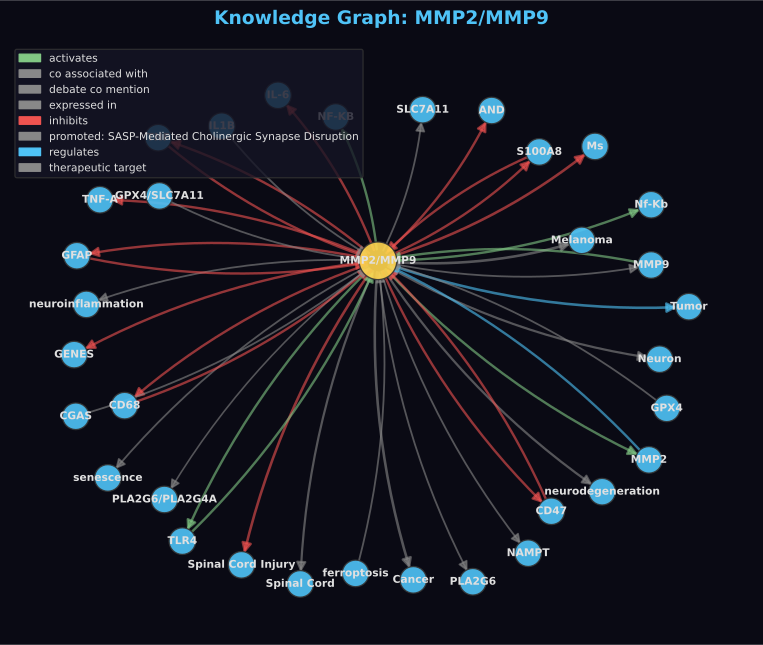
## Mechanistic Overview SASP-Mediated Cholinergic Synapse Disruption starts from the claim that modulating MMP2/MMP9 within the disease context of neurodegeneration can redirect a disease-relevant process. The original description reads: "**Molecular Mechanism and Rationale** The senescence-associated secretory phenotype (SASP) represents a fundamental shift in microglial function that directly undermines cholinergic neurotransmission through extracellular matrix degradation. Senescent microglia, characterized by elevated p16^INK4A and p21^CIP1 expression alongside telomere shortening, undergo dramatic transcriptional reprogramming driven by NF-κB and C/EBPβ signaling cascades. This reprogramming results in massive upregulation of matrix metalloproteinases, particularly MMP2 (gelatinase A, 72 kDa) and MMP9 (gelatinase B, 92 kDa), which exhibit 5-8 fold increased secretion compared to non-senescent microglia. Perineuronal nets (PNNs) surrounding cholinergic neurons consist of highly organized extracellular matrix structures composed primarily of chondroitin sulfate proteoglycans (CSPGs) including aggrecan, versican, neurocan, and brevican, interconnected by tenascin-R and hyaluronic acid. These nets form critical microdomains that regulate synaptic plasticity and maintain optimal spacing of nicotinic and muscarinic acetylcholine receptors at cholinergic synapses. MMP2 and MMP9 demonstrate specific substrate preferences for PNN components: MMP2 preferentially cleaves aggrecan and brevican at distinct Glu-Leu bonds, while MMP9 targets versican and tenascin-R linkages. The enzymatic degradation occurs through zinc-dependent catalytic mechanisms, with optimal activity at physiological pH 7.4. The molecular cascade begins when senescent microglia release SASP factors including IL-1β, TNF-α, and IL-6, which activate local astrocytes through JAK-STAT signaling. These activated astrocytes subsequently increase their own MMP2/MMP9 production, creating a positive feedback loop that amplifies PNN degradation. Simultaneously, tissue inhibitors of metalloproteinases (TIMP1-4) become downregulated in the senescent microenvironment, removing natural enzymatic brakes on MMP activity. This dysregulated proteolytic environment specifically targets the highly sulfated glycosaminoglycan side chains of PNN components, disrupting their ability to maintain proper ion channel clustering and synaptic geometry around cholinergic terminals. **Preclinical Evidence** Comprehensive vali...
Key Papers (393 total)
Linked Wiki Pages
Figures & Visualizations (7)
Epigenetic reprogramming in aging neurons
Research Question
“Investigate mechanisms of epigenetic reprogramming in aging neurons, including DNA methylation changes, histone modification dynamics, chromatin remodeling, and partial reprogramming approaches (e.g., Yamanaka factors) to reverse age-related epigenetic alterations in post-mitotic neurons.”
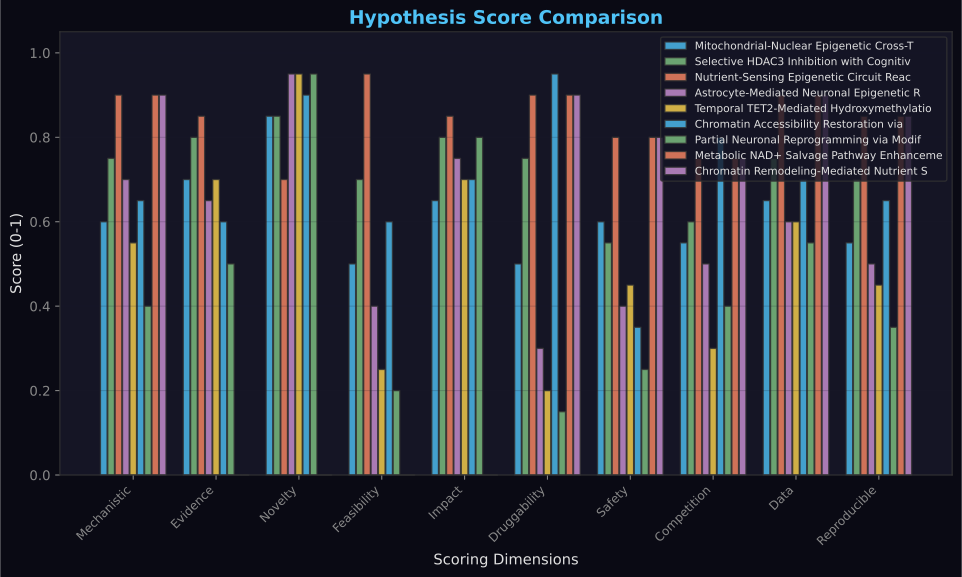
The synthesis reveals that among seven novel epigenetic reprogramming hypotheses for neurodegeneration, the glial-neuronal cross-talk restoration approach emerges as the most viable therapeutic strategy, scoring 0.743 across ten dimensions. This hypothesis leverages the strongest mechanistic evidenc
Knowledge Graph Visualization
activates (1)
co discussed (16)
participates in (4)
therapeutic target (5)
Multi-Agent Debate
Four AI personas debated this research question, each bringing a distinct perspective. Click through to read the full transcript.
Top Hypotheses
## Mechanistic Overview Selective HDAC3 Inhibition with Cognitive Enhancement starts from the claim that modulating HDAC3 within the disease context of neurodegeneration can redirect a disease-relevant process. The original description reads: "**Molecular Mechanism and Rationale** Histone deacetylase 3 (HDAC3) represents a critical epigenetic regulator that orchestrates chromatin remodeling through targeted deacetylation of lysine residues on histone tails, particularly H3K27 and H4K16. In the aging brain, HDAC3 exhibits a paradoxical dual role that has confounded therapeutic development efforts. The molecular mechanism underlying selective HDAC3 inhibition centers on exploiting age-related changes in neuronal HDAC3 localization and co-factor interactions. In young neurons, HDAC3 primarily associates with the nuclear receptor co-repressor (NCoR) and silencing mediator of retinoid and thyroid receptors (SMRT) complexes, maintaining transcriptional homeostasis of genes involved in synaptic plasticity and memory formation. However, during aging and neurodegeneration, HDAC3 undergoes aberrant cytoplasmic translocation and forms pathological complexes with phosphorylated tau and amyloid-beta oligomers. The therapeutic strategy targets this age-related redistribution by employing selective inhibitors that preferentially bind to cytoplasmic HDAC3 while sparing nuclear HDAC3-NCoR/SMRT complexes. This selectivity is achieved through exploitation of conformational changes in HDAC3's catalytic domain when complexed with pathological proteins. Specifically, binding of hyperphosphorylated tau at Ser202/Thr205 sites induces allosteric modifications in HDAC3's zinc-binding pocket, creating a unique binding interface for age-selective inhibitors. Concurrently, the approach preserves nuclear HDAC3 function in maintaining heterochromatin integrity and preventing aberrant transcription of repetitive elements, which is crucial for cellular survival. The molecular rationale extends to HDAC3's role in regulating CREB-binding protein (CBP) and p300 acetyltransferase activity, where selective inhibition allows restoration of the acetylation/deacetylation balance necessary for long-term potentiation (LTP) and memory consolidation while maintaining essential gene silencing functions. **Preclinical Evidence** Extensive preclinical validation has been conducted across multiple model systems, with the most compelling evidence emerging from 5xFAD transgenic mice expressing five familia...
## Mechanistic Overview Chromatin Accessibility Restoration via BRD4 Modulation starts from the claim that modulating BRD4 within the disease context of neurodegeneration can redirect a disease-relevant process. The original description reads: "**Molecular Mechanism and Rationale** BRD4 functions as a master epigenetic regulator through its unique ability to recognize and bind acetylated histone marks via two tandem bromodomains (BD1 and BD2). The BD1 domain preferentially binds H4K5ac and H4K8ac, while BD2 recognizes H3K14ac and H4K12ac marks that characterize actively transcribed chromatin regions. Upon binding, BRD4's C-terminal domain recruits the positive transcription elongation factor complex P-TEFb, consisting of CDK9 and cyclin T1, which phosphorylates RNA polymerase II at serine-2 residues, promoting transcriptional elongation. Additionally, BRD4 interacts with the Mediator complex subunits MED1 and MED14, facilitating enhancer-promoter looping and transcriptional activation at super-enhancers - large chromatin domains enriched in transcription factors and cofactors that drive cell identity programs. In healthy young neurons, BRD4 localizes to approximately 15,000-20,000 chromatin sites, with highest occupancy at neuronal super-enhancers controlling synaptic genes (CAMK2A, SYN1, DLG4), plasticity regulators (ARC, FOS, BDNF), and DNA repair factors (BRCA1, ATM, PARP1). Age-related chromatin dysfunction occurs through multiple convergent pathways. First, increased activity of class I HDACs (HDAC1, HDAC2, HDAC3) removes the acetyl marks that BRD4 recognizes, reducing its chromatin occupancy by 40-50% in aged cortical neurons. Second, accumulation of repressive histone marks H3K9me3 and H3K27me3 at previously active loci creates heterochromatic domains that exclude BRD4 binding. Third, age-related increases in heterochromatin protein 1 (HP1α, HP1β, HP1γ) and polycomb repressive complexes PRC1/PRC2 establish self-reinforcing silencing loops that progressively expand heterochromatic domains. The proposed therapeutic mechanism exploits BRD4's competitive binding dynamics: low-dose BET inhibitors temporarily displace BRD4 from all chromatin sites, allowing chromatin remodeling complexes (SWI/SNF, ISWI, CHD families) to access and reorganize nucleosomal arrays. During recovery, BRD4 re-engages preferentially with high-acetylation neuronal enhancers rather than low-acetylation heterochromatic regions, effectively "resetting" the epigenetic landscape toward...
## Mechanistic Overview Chromatin Remodeling-Mediated Nutrient Sensing Restoration starts from the claim that modulating SMARCA4 within the disease context of neurodegeneration can redirect a disease-relevant process. The original description reads: "**Molecular Mechanism and Rationale** The nutrient-sensing epigenetic circuit centered on AMPK-SIRT1-PGC1α becomes progressively silenced in aging neurons through chromatin compaction and histone modifications that restrict transcriptional access. This hypothesis proposes that targeted chromatin remodeling at the SIRT1 locus, rather than direct enzymatic activation, can restore the entire nutrient-sensing cascade by reestablishing permissive chromatin architecture. At the molecular level, aging neurons exhibit increased H3K9me3 and H3K27me3 repressive marks across the SIRT1 promoter and enhancer regions, accompanied by recruitment of heterochromatin protein 1 (HP1) and polycomb repressive complexes PRC1/PRC2. The chromatin remodeling approach targets the ATP-dependent SWI/SNF complex, specifically the SMARCA4 (BRG1) subunit, which serves as the catalytic ATPase engine driving nucleosome sliding and ejection. SMARCA4 functions within the broader BAF complex architecture, interacting with SMARCB1 (INI1), SMARCC1/2 (BAF155/170), and ARID1A/B subunits to form tissue-specific chromatin remodeling assemblies. SMARCA4 activation through small molecule enhancers or targeted recruitment via dCas9-SMARCA4 fusion proteins can mechanically remodel chromatin structure at the SIRT1 promoter, displacing repressive nucleosome positioning and enabling transcription factor access. The ATP hydrolysis-driven mechanism involves SMARCA4's DExx box helicase domains engaging with nucleosomal DNA at the entry/exit points, generating superhelical tension that disrupts histone-DNA contacts. This chromatin opening facilitates binding of CREB, FOXO1, and p53 to their respective recognition sequences within the SIRT1 regulatory region, including the metabolic response elements (MREs) located at -1.2kb and -2.8kb upstream of the transcription start site. Additionally, chromatin remodeling exposes cryptic enhancer elements containing E-box motifs for CLOCK:BMAL1 binding and nutrient-responsive elements for ChREBP recognition, creating feed-forward loops that maintain circuit activation through circadian and glycolytic signaling integration. **Preclinical Evidence** Extensive preclinical validation supports chromatin remodeling as a therapeut...
Key Papers (406 total)
Linked Wiki Pages
Figures & Visualizations (11)
Blood-brain barrier transport mechanisms for antibody therapeutics
Research Question
“Anti-amyloid antibodies (lecanemab, donanemab) have ~0.1% brain penetrance. Engineering improved BBB transcytosis via transferrin receptor, LRP1, or novel shuttle peptides could dramatically improve efficacy.”
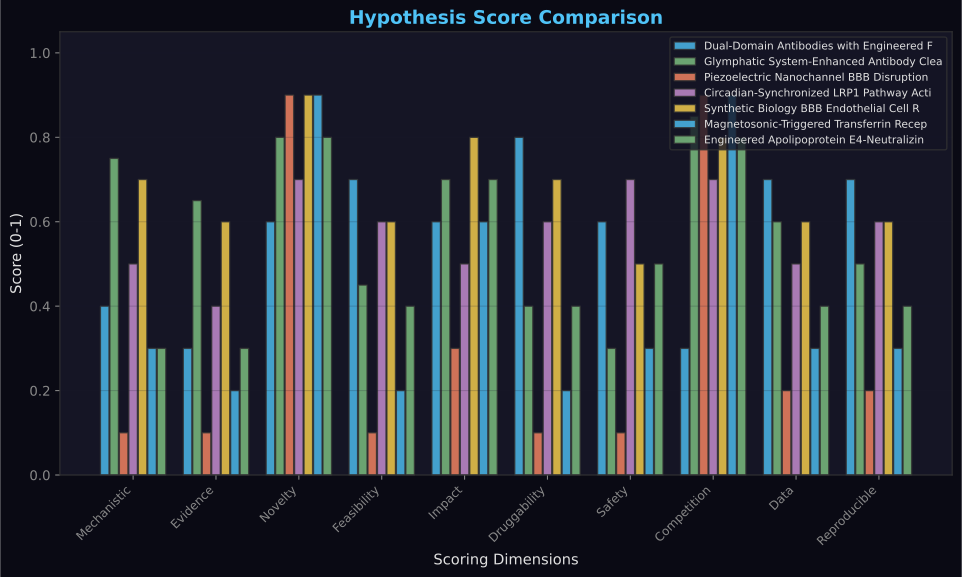
After comprehensive analysis integrating theoretical potential, critical evaluation, and practical feasibility, three hypotheses emerge as most promising for further investigation. The Synthetic Biology BBB Endothelial Cell Reprogramming approach ranks highest (composite score 0.67) due to its novel
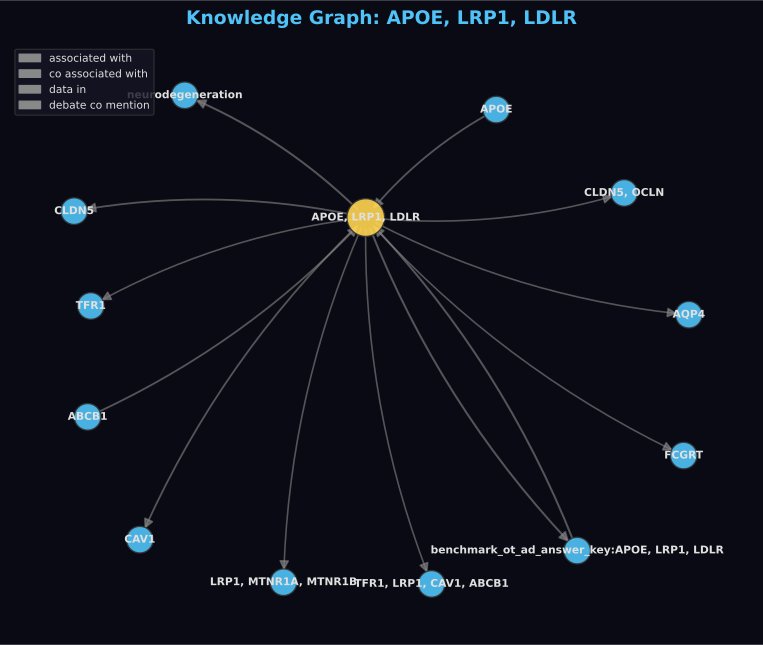
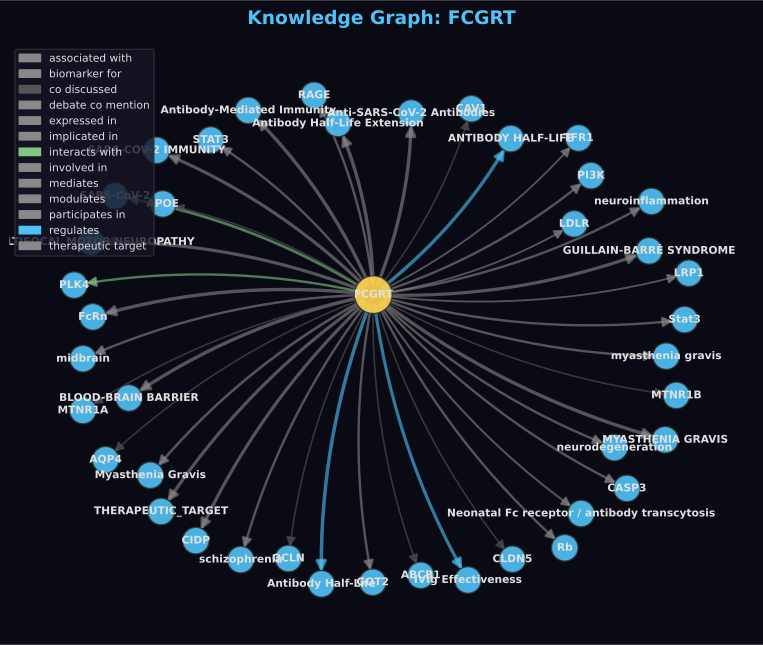
Knowledge Graph Visualization
associated with (5)
Multi-Agent Debate
Four AI personas debated this research question, each bringing a distinct perspective. Click through to read the full transcript.
Top Hypotheses
## Mechanistic Overview Dual-Domain Antibodies with Engineered Fc-FcRn Affinity Modulation starts from the claim that modulating FCGRT within the disease context of neurodegeneration can redirect a disease-relevant process. The original description reads: "**Molecular Mechanism and Rationale** The neonatal Fc receptor (FcRn), encoded by the FCGRT gene, plays a crucial role in antibody pharmacokinetics through its pH-dependent binding mechanism with immunoglobulin G (IgG) antibodies. Under normal physiological conditions, FcRn binds IgG with high affinity at acidic pH (6.0-6.5) within endosomes and recycling vesicles, while exhibiting minimal binding at neutral pH (7.4) found in plasma and extracellular spaces. This pH-dependent interaction is mediated by specific histidine residues at the Fc-FcRn interface, particularly His310, His435, and His436 in the CH2-CH3 domain junction of the IgG heavy chain, which become protonated at acidic pH and facilitate electrostatic interactions with FcRn. The proposed dual-domain antibody engineering approach involves modifying these critical histidine residues and surrounding amino acid sequences to enhance the pH-dependent binding differential. Specifically, engineered mutations such as M428L/N434S (LS mutation) or M252Y/S254T/T256E (YTE mutation) can be combined with novel modifications targeting residues Ile253, Ser254, Lys288, Thr307, Gln311, Asn434, and His435. These modifications create a steeper pH-binding gradient, where the modified Fc region demonstrates 5-10 fold increased affinity for FcRn at pH 6.0 compared to wild-type antibodies, while simultaneously reducing binding affinity at pH 7.4 by 50-70%. In brain endothelial cells, this enhanced pH gradient drives improved transcytosis efficiency through the blood-brain barrier (BBB). Following receptor-mediated endocytosis via FcRn or other receptors, the engineered antibodies encounter the acidic endosomal environment (pH 5.5-6.5) where they bind FcRn with exceptional affinity. The FcRn-antibody complex then undergoes directed transport through the transcytosis pathway, involving Rab5-positive early endosomes, Rab11-positive recycling endosomes, and ultimately fusion with the abluminal membrane. Upon release into the brain parenchyma at physiological pH 7.4, the dramatically reduced FcRn binding affinity prevents immediate recapture and retrograde transport, effectively trapping the antibody within the CNS compartment for extended therapeutic action against amylo...
## Mechanistic Overview Synthetic Biology BBB Endothelial Cell Reprogramming starts from the claim that modulating TFR1, LRP1, CAV1, ABCB1 within the disease context of neurodegeneration can redirect a disease-relevant process. The original description reads: "**Molecular Mechanism and Rationale** The blood-brain barrier (BBB) represents one of the most formidable obstacles in neurotherapeutics, with its tightly regulated endothelial cells severely limiting drug penetration into the central nervous system. This synthetic biology approach targets the fundamental transcytosis machinery of brain microvascular endothelial cells through precise genetic reprogramming of four critical membrane transport proteins. The molecular strategy exploits the natural receptor-mediated transcytosis (RMT) pathways while simultaneously disrupting efflux mechanisms to create a therapeutic delivery window. Transferrin Receptor 1 (TFR1) serves as the primary target for upregulation due to its natural role in iron homeostasis and its well-characterized transcytosis pathway. TFR1 undergoes constitutive internalization through clathrin-mediated endocytosis, with approximately 50-100 receptors per endothelial cell surface recycling every 10-15 minutes. The proposed CRISPR-mediated enhancement targets the TFRC gene promoter region, specifically the iron-responsive elements (IREs) and the specificity protein 1 (SP1) binding sites. By introducing synthetic transcriptional activators fused to catalytically inactive Cas9 (dCas9), we can achieve 3-5 fold upregulation of TFR1 expression, dramatically increasing the receptor density from baseline ~2,000 to 6,000-10,000 receptors per cell surface. Low-density lipoprotein receptor-related protein 1 (LRP1) represents a multifunctional scavenger receptor that mediates the transcytosis of various ligands including apolipoprotein E, tissue plasminogen activator, and amyloid-beta peptides. The LRP1 signaling cascade involves interaction with adaptor proteins such as Disabled-1 (Dab1) and Fe65, triggering downstream signaling through the phosphoinositide 3-kinase (PI3K)/Akt pathway. Genetic enhancement of LRP1 through targeted activation of the LRP1 gene promoter can increase surface expression by 2-3 fold, creating additional transcellular transport channels while potentially facilitating amyloid-beta clearance mechanisms relevant to Alzheimer's disease pathology. Caveolin-1 (CAV1) orchestrates caveolae-mediated transcytosis, forming specialized me...
## Mechanistic Overview Magnetosonic-Triggered Transferrin Receptor Clustering starts from the claim that modulating TFR1 within the disease context of neurodegeneration can redirect a disease-relevant process. The original description reads: "**Molecular Mechanism and Rationale** The transferrin receptor 1 (TfR1) represents a critical gateway for iron transport across the blood-brain barrier (BBB) and serves as an exceptional target for therapeutic delivery to the central nervous system. TfR1 is a homodimeric type II transmembrane glycoprotein composed of two 90-kDa subunits linked by disulfide bonds, with each subunit containing 760 amino acids. The receptor exhibits high expression on brain capillary endothelial cells, making it an ideal candidate for receptor-mediated transcytosis (RMT) strategies. This innovative magnetosonic-triggered approach exploits the natural clustering behavior of TfR1 upon ligand binding while introducing spatial and temporal control through focused ultrasound (FUS) activation. The molecular mechanism centers on engineered superparamagnetic iron oxide nanoparticles (SPIONs) conjugated to anti-TfR1 antibodies, specifically targeting the extracellular domain of TfR1 at amino acid residues 121-760. Under normal physiological conditions, these antibody-SPION conjugates circulate systemically with minimal clustering, preventing widespread BBB disruption while maintaining therapeutic antibody availability. Upon FUS application at specific brain regions, the acoustic energy induces rapid oscillation of the superparamagnetic nanoparticles, creating localized magnetic field gradients. This magnetosonic effect triggers the formation of TfR1 nanoclusters through several mechanisms: direct magnetic attraction between proximate SPIONs, enhanced antibody-receptor avidity through multivalent binding, and mechanotransduction-induced conformational changes in TfR1 that promote homo-oligomerization. The clustering process activates downstream signaling cascades including the Ras-MAPK pathway and PI3K-Akt signaling, which facilitate endocytic vesicle formation and trafficking. The engineered system maintains specificity through the use of monoclonal antibodies targeting TfR1's apical domain, avoiding competition with endogenous transferrin binding at the basolateral site. This spatial separation preserves normal iron homeostasis while creating dedicated transcytosis pathways for therapeutic cargo. The magnetic clustering effect is reversible, wi...
Key Papers (291 total)
Linked Wiki Pages
Figures & Visualizations (7)
Circuit-level neural dynamics in neurodegeneration
Research Question
“Analyze circuit-level changes in neurodegeneration using Allen Institute Neural Dynamics data. Focus on: (1) hippocampal circuit disruption, (2) cortical dynamics alterations, (3) sensory processing changes. Identify circuit-based therapeutic targets connecting genes, proteins, and brain regions to neurodegeneration phenotypes.”
The synthesis reveals a clear hierarchy among the six circuit-level neurodegeneration hypotheses, with GluN2B-selective NMDA modulation emerging as the most promising approach (composite score: 0.760). This hypothesis benefits from exceptional druggability, existing chemical matter, established safe
Knowledge Graph Visualization
activates (1)
associated with (5)
co associated with (11)
co discussed (8)
implicated in (1)
participates in (2)
regulates (1)
studied in (1)
Multi-Agent Debate
Four AI personas debated this research question, each bringing a distinct perspective. Click through to read the full transcript.
Top Hypotheses
This intervention targets somatostatin-positive (SST) interneurons in the stratum oriens to restore hippocampal gamma oscillations through disinhibition of parvalbumin-positive (PV) interneurons in Alzheimer's disease. While amyloid-beta oligomers directly impair PV interneuron function, SST interneurons in the hippocampal CA1 region provide a critical regulatory layer by forming inhibitory synapses onto PV interneurons themselves. In healthy circuits, SST interneurons modulate gamma power through this disinhibitory mechanism - when SST activity decreases, PV interneurons are released from inhibition and can generate stronger gamma oscillations. Transcranial focused ultrasound targeting SST interneurons expressing mechanosensitive ion channels (particularly PIEZO1) can selectively reduce their firing rates through controlled acoustic pressure waves. Low-intensity focused ultrasound (LIFU) at specific parameters (0.5-1.0 MHz, 50-100 mW/cm²) delivered to the stratum oriens activates mechanosensitive potassium channels in SST interneurons, leading to membrane hyperpolarization and reduced inhibitory output. This disinhibition cascades to PV interneurons, which then resume their capacity for perisomatic inhibition of CA1 pyramidal cells at gamma frequencies. The closed-loop system uses real-time EEG monitoring of gamma power (30-100 Hz) to titrate ultrasound delivery, maintaining optimal SST suppression without complete circuit shutdown. Unlike direct PV targeting, this approach exploits the natural disinhibitory architecture to amplify gamma restoration while preserving the endogenous balance between excitation and inhibition. The intervention specifically targets the SST-PV microcircuit dysfunction that precedes broader interneuron network collapse in AD, potentially offering a more sustainable restoration of hippocampal-prefrontal synchrony and associated memory functions during early disease stages.
Alpha-theta entrainment therapy targets somatostatin (SST) interneurons to restore default mode network (DMN) coherence in Alzheimer's disease through low-frequency oscillatory modulation. Unlike gamma entrainment, this approach utilizes 8-12 Hz alpha and 4-8 Hz theta frequency stimulation to synchronize large-scale cortical networks essential for autobiographical memory and self-referential processing. SST interneurons, which preferentially target distal dendrites of pyramidal neurons, are uniquely positioned to modulate slow oscillatory activity across cortical layers. In Alzheimer's disease, DMN disruption precedes clinical symptoms by decades, with reduced alpha power and theta-alpha coupling correlating strongly with episodic memory decline. Alpha-theta entrainment activates SST interneurons through their distinct electrophysiological properties: lower firing thresholds at theta frequencies and sustained firing patterns that can entrain pyramidal cell populations. This selective activation promotes several therapeutic mechanisms: (1) Enhanced theta-alpha cross-frequency coupling strengthens hippocampal-cortical communication during memory consolidation, particularly during rest states when DMN activity is maximal. (2) SST-mediated disinhibition of pyramidal dendrites facilitates long-range cortical synchronization, restoring functional connectivity between posterior cingulate cortex, medial prefrontal cortex, and angular gyrus. (3) Slow oscillatory entrainment promotes glymphatic flow through rhythmic astrocyte swelling and shrinkage, enhancing Aβ clearance along perivascular spaces during stimulation periods that mimic natural sleep rhythms. (4) Alpha entrainment specifically enhances cholinergic signaling by synchronizing basal forebrain inputs with cortical oscillations, amplifying acetylcholine release in target regions. This frequency-specific intervention leverages the natural coupling between alpha rhythms and attention-memory networks, offering a complementary approach to gamma entrainment that targets earlier disease stages and different cognitive domains. Preliminary evidence suggests 10 Hz stimulation protocols can restore DMN connectivity patterns and improve episodic memory performance through SST-mediated network synchronization.
This hypothesis combines the precision of transcranial focused ultrasound (tFUS) targeting with gamma entrainment therapy to restore hippocampal-cortical synchrony in Alzheimer's disease. The intervention uses closed-loop tFUS specifically targeted to CA1 parvalbumin-positive (PV) interneurons, guided by real-time monitoring of gamma oscillations, while simultaneously delivering 40 Hz acoustic entrainment to drive synchronized network activity. The mechanistic foundation centers on PV interneurons as the critical gamma rhythm generators through their perisomatic inhibition of pyramidal cells. In AD, amyloid-beta oligomers preferentially impair PV interneurons by disrupting Nav1.1 channels and compromising fast synaptic transmission, leading to gamma collapse and hippocampal-prefrontal desynchronization. The tFUS component provides direct acoustic mechanostimulation to restore PV interneuron excitability through mechanosensitive ion channel activation, while the 40 Hz entrainment protocol drives these restored interneurons into synchronized firing patterns. This dual approach addresses both the cellular dysfunction (via direct PV interneuron stimulation) and the network-level desynchronization (via gamma entrainment). The closed-loop system monitors gamma power and hippocampal-cortical coherence in real-time, adjusting ultrasound parameters to maintain optimal 40 Hz synchrony. Success metrics include restoration of gamma power (targeting the 40-70% reduction seen in AD), re-establishment of hippocampal-cortical phase-locking, and downstream effects on microglial activation and amyloid clearance through the restored oscillatory activity. This approach leverages the mechanistic precision of direct PV interneuron targeting while harnessing the proven therapeutic potential of gamma entrainment for amyloid reduction and cognitive improvement.
Key Papers (473 total)
Linked Wiki Pages
Figures & Visualizations (12)
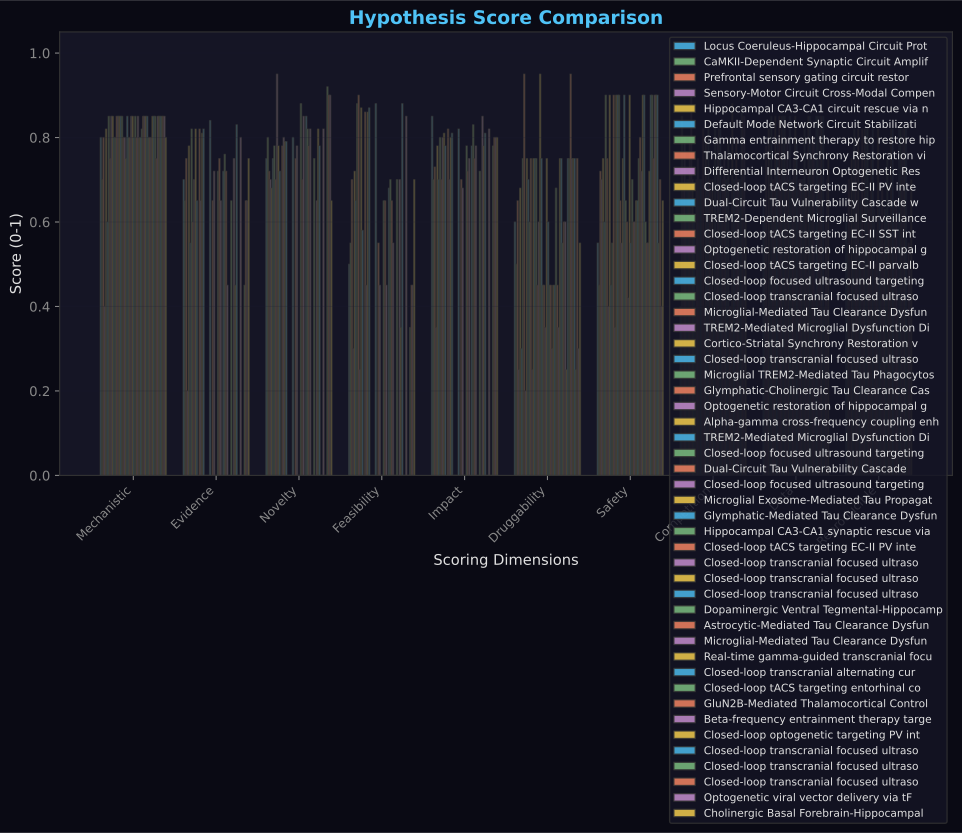
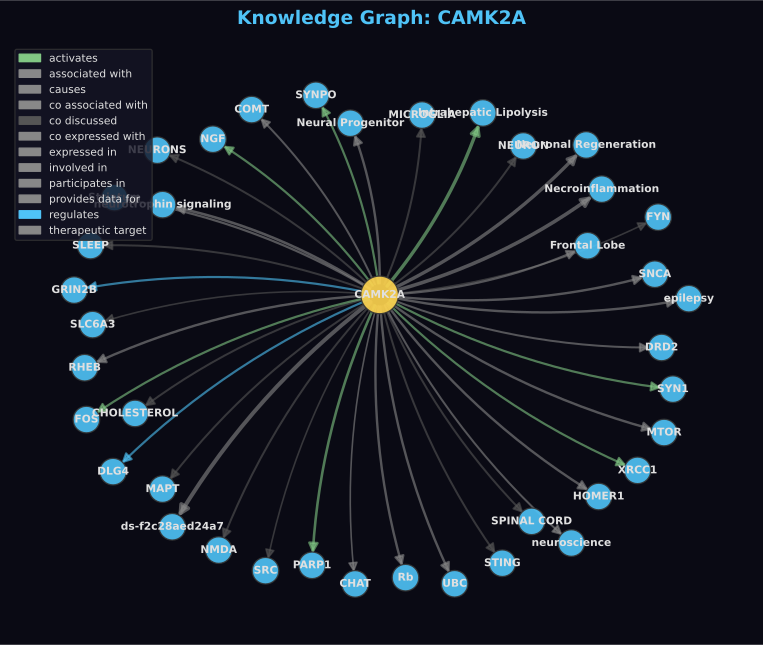
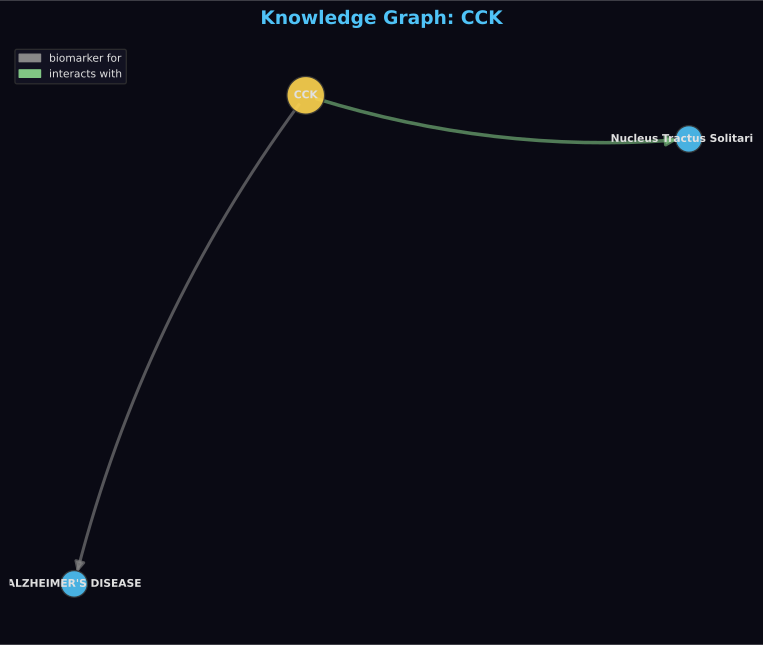
Want to see more?