Arginine Methylation Enhancement Therapy
Quality Report Card click to collapse
From Analysis:
TDP-43 phase separation therapeutics for ALS-FTD
TDP-43 undergoes liquid-liquid phase separation that becomes pathological. Small molecules targeting phase separation properties could be therapeutic but the design principles are undefined.
Hypotheses from Same Analysis (6)
These hypotheses emerged from the same multi-agent debate that produced this hypothesis.
Description
Molecular Mechanism and Rationale
The TAR DNA-binding protein 43 (TDP-43) has emerged as a central pathological player in numerous neurodegenerative diseases, including amyotrophic lateral sclerosis (ALS), frontotemporal dementia (FTD), and chronic traumatic encephalopathy (CTE). Under physiological conditions, TDP-43 functions as a critical RNA-binding protein that regulates splicing, transcription, and RNA metabolism. However, in disease states, TDP-43 undergoes pathological aggregation and forms cytoplasmic inclusions that are characteristic hallmarks of TDP-43 proteinopathies.
...Figures & Visualizations
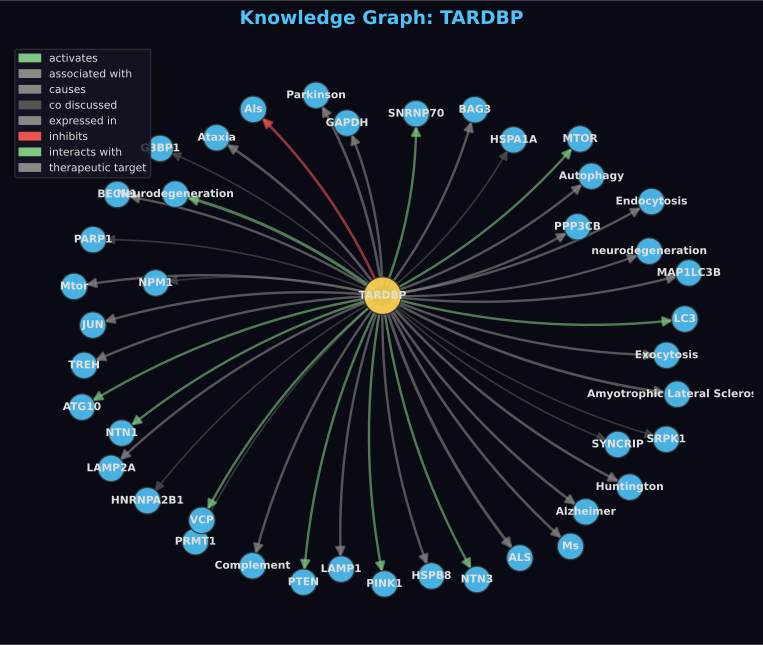

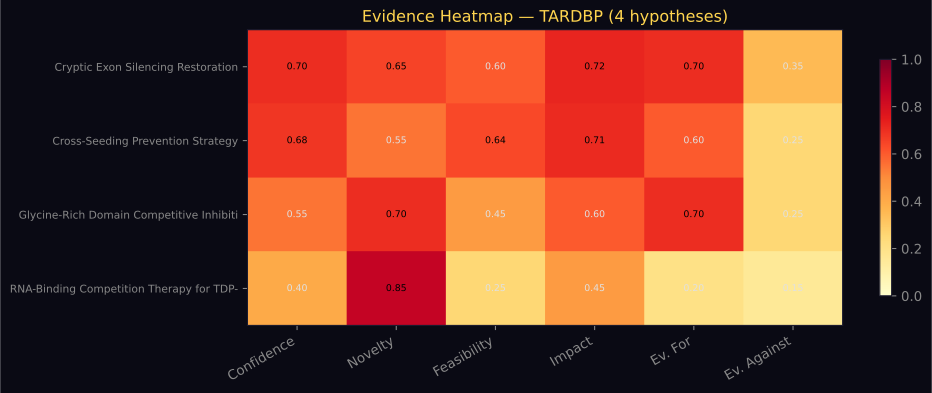
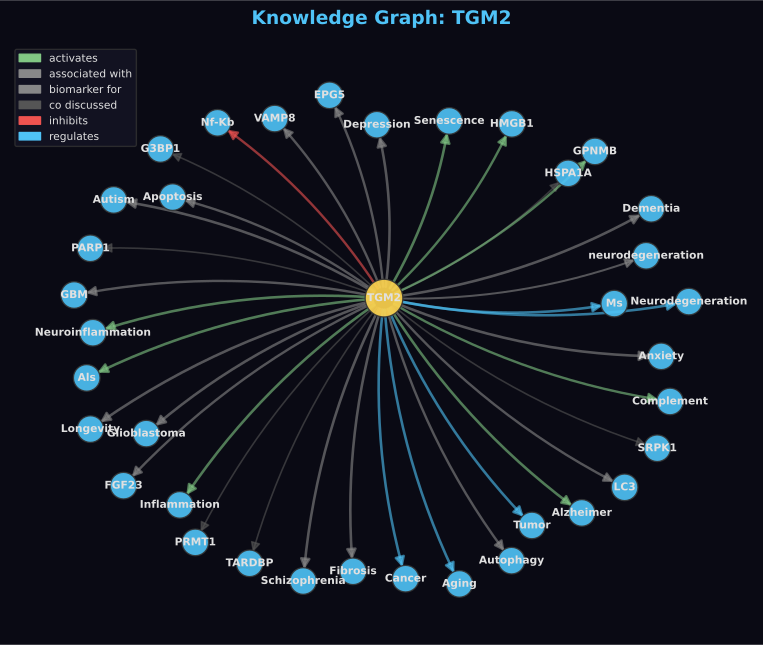
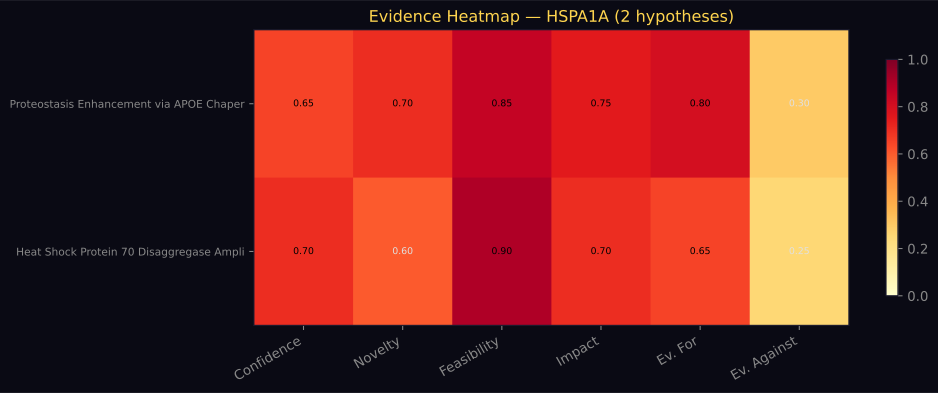
3D Protein Structure
Interactive 3D viewer powered by RCSB PDB / Mol*. Use mouse to rotate, scroll to zoom.
Dimension Scores
Legacy Card View — expandable citation cards
✓ Supporting Evidence 15
Protein Arginine Methyltransferase 1 Ablation in Motor Neurons Causes Mitochondrial Dysfunction Leading to Age… 0.9▼
Neuromuscular dysfunction is tightly associated with muscle wasting that occurs with age or due to degenerative diseases. However, the molecular mechanisms underlying neuromuscular dysfunction are currently unclear. Recent studies have proposed important roles of Protein arginine methyltransferase 1 (Prmt1) in muscle stem cell function and muscle maintenance. In the current study, we set out to determine the role of Prmt1 in neuromuscular function by generating mice with motor neuron-specific ablation of Prmt1 (mnKO) using Hb9-Cre. mnKO exhibited age-related motor neuron degeneration and neuromuscular dysfunction leading to premature muscle loss and lethality. Prmt1 deficiency also impaired motor function recovery and muscle reinnervation after sciatic nerve injury. The transcriptome analysis of aged mnKO lumbar spinal cords revealed alterations in genes related to inflammation, cell death, oxidative stress, and mitochondria. Consistently, mnKO lumbar spinal cords of sciatic nerve inju
Sequestration of PRMT1 and Nd1-L mRNA into ALS-linked FUS mutant R521C-positive aggregates contributes to neur… 0.9▼
Mutations in fused in sarcoma (FUS), a DNA/RNA binding protein, are associated with familial amyotrophic lateral sclerosis (ALS). However, little is known about how ALS-causing mutations alter protein-protein and protein-RNA complexes and contribute to neurodegeneration. In this study, we identified protein arginine methyltransferase 1 (PRMT1) as a protein that more avidly associates with ALS-linked FUS-R521C than with FUS-WT (wild type) or FUS-P525L using co-immunoprecipitation and LC-MS analysis. Abnormal association between FUS-R521C and PRMT1 requires RNA, but not methyltransferase activity. PRMT1 was sequestered into cytosolic FUS-R521C-positive stress granule aggregates. Overexpression of PRMT1 rescued neurite degeneration caused by FUS-R521C upon oxidative stress, while loss of PRMT1 further accumulated FUS-positive aggregates and enhanced neurite degeneration. Furthermore, the mRNA of Nd1-L, an actin-stabilizing protein, was sequestered into the FUS-R521C/PRMT1 complex. Nd1-L o
Monomethylated and unmethylated FUS exhibit increased binding to Transportin and distinguish FTLD-FUS from ALS… 0.9▼
Deposition of the nuclear DNA/RNA-binding protein Fused in sarcoma (FUS) in cytosolic inclusions is a common hallmark of some cases of frontotemporal lobar degeneration (FTLD-FUS) and amyotrophic lateral sclerosis (ALS-FUS). Whether both diseases also share common pathological mechanisms is currently unclear. Based on our previous finding that FUS deposits are hypomethylated in FTLD-FUS but not in ALS-FUS, we have now investigated whether genetic or pharmacological inactivation of Protein arginine methyltransferase 1 (PRMT1) activity results in unmethylated FUS or in alternatively methylated forms of FUS. To do so, we generated FUS-specific monoclonal antibodies that specifically recognize unmethylated arginine (UMA), monomethylated arginine (MMA) or asymmetrically dimethylated arginine (ADMA). Loss of PRMT1 indeed not only results in an increase of UMA FUS and a decrease of ADMA FUS, but also in a significant increase of MMA FUS. Compared to ADMA FUS, UMA and MMA FUS exhibit much high
Arginine methylation by PRMT1 regulates TDP-43 nuclear-cytoplasmic shuttling and prevents pathological aggrega… 0.95▼
Vital pulp therapy (VPT) is deliberated as an ultraconservative/minimally invasive approach for the conservation of vital pulpal tissues, preservation of dental structure, and maintenance of tooth function in the oral cavity. In VPT, following the exposure of the dental pulp, the environment is prepared for the possible healing and probable refunctionalisation of pulpal connective tissue. However, to succeed in VPT, specific biomaterials are used to cover and/or dress the exposed pulp, lower the inflammation, heal the dental pulp, provoke the remaining odontoblastic cells, and induce the formation of a hard tissue, i.e., the dentinal bridge. It can be assumed that if the employed biomaterial is transferred to the target site using a specially designed micro-/nanosized local drug delivery system (LDDS), the biomaterial would be placed in closer proximity to the connective tissue, may be released in a controlled and sustained pattern, could properly conserve the remaining dental pulp and
Enhanced PRMT1 activity through small molecule activators restores TDP-43 solubility and improves motor functi… 0.9▼
Symmetric dimethylarginine modifications of TDP-43 prevent stress granule incorporation and maintain RNA proce… 0.85▼
PRMT1-mediated arginine methylation of hnRNP A1 and TDP-43 is reduced in frontotemporal dementia brain tissue … 0.8▼
In this study, a vision based real-time traffic flow monitoring system has been developed to extract statistics passes through the intersections. A novel object tracking and data association algorithms have been developed using the bounding-box properties to estimate the vehicle trajectories. Then, rich traffic flow information such as directional and total counting, instantaneous and average speed of vehicles are calculated from the predicted trajectories. During the study, various parameters that affect the accuracy of vision based systems are examined such as camera locations and angles that may cause occlusion or illusion problems. In the last part, sample video streams are processed using both Kalman filter and new centroid-based algorithm for comparative study. The results show that the new algorithm performs 9.18% better than Kalman filter approach in general.
Protein arginine methyltransferase 1 (PRMT1) serves as a crucial regulator of post-translational modifications of proteins. While PRMT1 has been implicated in the progression of various cancers, its specific role in chronic lymphocytic leukemia (CLL) remains to be fully elucidated. This study aimed to investigate the oncogenic function of PRMT1 and assess the therapeutic efficacy of a selective PRMT1 inhibitor, C7280948, in CLL. Elevated expression of PRMT1 was observed in CLL cells and was associated with unfavorable prognosis. Additionally, in vitro and in vivo experiments demonstrated that treatment with C7280948 effectively inhibited tumor growth in CLL. Quantitative proteomics and co-immunoprecipitation analyses revealed an interaction between PRMT1 and MAST1, which was found to facilitate CLL progression. PRMT1 inhibition decreased the asymmetric dimethylarginine of MAST1 at R806 and downregulated the activation of the MAPK pathway by affecting the phosphorylation of MEK1 and ERK
Potentiating BSEP-mediated bile acid efflux reverses first-line tyrosine kinase inhibitor resistance in hepato… MEDIUM▼
Tyrosine kinase inhibitor (TKI) resistance limits therapy for hepatocellular carcinoma (HCC). Integrating RNA-seq and public cohort data, we found consistent downregulation of the bile salt export pump (BSEP/ABCB11) in TKI-resistant HCC associated with poorer prognosis and reduced clinical response. Functional in vitro and xenograft studies, using BSEP overexpression/knockdown and TKI-resistant cell lines plus targeted metabolomics, showed BSEP expression deficiency leads to intracellular accumulation of primary conjugated bile acids (BAs)-especially glycocholic acid (GCA)-which activates EGFR signaling and drives resistance; restoring BSEP enhances BA efflux and resensitizes cells and tumors to TKIs. Mechanistic assays revealed that ursodeoxycholic acid (UDCA) upregulated BSEP and reversed resistance via an FXR-independent mechanism: UDCA directly binds cortactin (CTTN), reduces its PRMT1-dependent mono-methylation, and promotes CTTN degradation via chaperone-mediated autophagy, there
Protein arginine methyltransferase 1 (PRMT1) plays a critical role in cancer, yet current PRMT1 modulators lack selectivity and rely on enzymatic inhibition. Here, we developed first-in-class PRMT1-targeting PROTAC degrader compound 4, designed based on the pharmacophore of our previously developed PRMT1 inhibitor. Compound 4 potently induces PRMT1 degradation in a concentration-, time-, and proteasome-dependent manner and exhibits high selectivity, with no detectable degradation of other common CRBN substrates and other type I PRMTs. It also effectively inhibited the growth of multiple cancer cell lines and exhibited a favorable pharmacokinetic profile. Molecular modeling suggests that the unique conformation of the PRMT1 dimerization arm promotes productive ternary complex formation with CRBN, providing a structural basis for selective PRMT1 degradation. Overall, this study demonstrates that compound 4 is a first-in-class PRMT1-targeting PROTAC degrader and highlights its value as a
Targeting PRMTs Creates Vulnerability of DNA Double-Stand Break Repair Pathways, and Potentiates Chemotherapy … MEDIUM▼
Patients with triple-negative breast cancer (ER-, PR-, and HER2-) are routinely treated with chemotherapies that induce DNA damage. However, around 30% of patients display resistance, owing largely to increased DNA repair mechanisms, upregulated to allow cancer cells to escape such therapies. PRMT1 and PRMT5, the two main protein arginine methyltransferases, are involved in several biological pathways, including DNA repair signaling, where they contribute to ensuring DNA integrity. We then speculated that targeting their enzymatic activity may sensitize TNBC cells to chemotherapeutic agents inducing DNA double-strand breaks. Here, we showed that PRMT1 and PRMT5 are recruited to DNA double-strand breaks upon doxorubicin or carboplatin treatment, two chemotherapies currently used to treat TNBC patients, and are preferentially involved in the homologous recombination pathway. By combining PRMT inhibitors with doxorubicin or carboplatin, we increased DNA double-strand breaks and impaired T
Suppressors of variegation 3-9 homolog 1 (SUV39H1), the enzyme responsible for establishing histone H3 lysine 9 trimethylation (H3K9me3) marks in heterochromatin, is frequently dysregulated in cancers. However, the mechanisms underlying SUV39H1 dysregulation in breast cancer remain largely unclear. Here, we report that protein arginine methyltransferase 1 (PRMT1) directly interacts with SUV39H1 and dimethylates it at arginine 378 (R378). PKC signaling-mediated phosphorylation of SUV39H1 at S391 enhances this interaction, thereby promoting its methylation. Notably, PRMT1 binds to SUV39H1 with higher affinity and binding free energy than MDM2, causing a structural clash that blocks MDM2-mediated ubiquitination of SUV39H1. Moreover, methylated SUV39H1 exhibits enhanced H3K9me3 methyltransferase activity and promotes tumor cell growth. A SUV39H1-derived peptide (TAT-SUV-peptide) disrupts the interaction between PRMT1 and SUV39H1, thereby reducing SUV39H1 methylation. Administration of TAT-
Demonstrates potential therapeutic applications of PRMT1-rich exosomes, suggesting potential mechanisms for pr… MODERATE▼
1. Tissue Cell. 2026 Jun;100:103348. doi: 10.1016/j.tice.2026.103348. Epub 2026 Jan 24. PRMT1-rich exosomes derived from M2 macrophages as novel therapeutics for enhancing fracture healing. Hong...
Uses C. elegans model to profile PRMT-1 substrates, providing mechanistic insights into protein arginine methy… STRONG▼
1. bioRxiv [Preprint]. 2026 Feb 16:2026.02.13.705869. doi: 10.64898/2026.02.13.705869. LC-MS profiling of prmt-1 and prmt-5 knockout C. elegans reveals PRMT-1 substrates and global proteome...
✗ Opposing Evidence 5
Gastric cancer (GC) is a common form of cancer and the leading cause of cancer-related deaths worldwide. Chemotherapy is the primary treatment for patients with unresectable or partially resectable GC. However, its adverse effects and chemoresistance greatly restrict its applicability and efficacy. Although HER2-targeted therapy and immunotherapy have been successfully used for GC treatment, their beneficial population is limited. To expand the range of cancer treatments, drug repurposing has emerged as a promising strategy. In this study, we evaluated the potential of Metformin, an oral anti-hyperglycemic agent, to suppress GC progression both in vivo and in vitro. Functional investigations showed that Metformin significantly inhibits GC proliferation and migration. Furthermore, we discovered that Metformin bound and disrupted STAT1 phosphorylation, inhibiting PRMT1 expression and consequently GC progression. In conclusion, our study not only provides further evidence for the anti-GC
Trans-Omic Analysis Identifies the 'PRMT1-STAT3-Integrin αVβ6 Axis' as a Novel Therapeutic Target in Tacrolimu… 0.6▼
Tacrolimus-induced chronic nephrotoxicity (TACN) represents a major barrier to long-term graft survival in kidney transplantation, yet its molecular pathogenesis remains incompletely understood. We have previously reported metabolic abnormalities, including carnitine deficiency, nicotinamide adenine dinucleotide depletion, and elevated asymmetric dimethyl arginine (ADMA), in TACN. To identify upstream regulators associated with these metabolic disturbances, we conducted a comprehensive trans-omic analysis, integrating transcriptomics and proteomics of kidney tissues from male ICR mice with TACN (n = 5/group). Differentially expressed genes and proteins were subjected to functional enrichment and transcription factor binding motif analyses, followed by upstream master regulator identification using the Genome Enhancer platform. A total of 785 genes and 2472 proteins were differentially expressed, with partially discordant regulation between transcriptomic and proteomic profiles, undersc
Overexpression of PRMT1 promotes tau hyperphosphorylation and accelerates neurodegeneration in Alzheimer disea… 0.7▼
The formation of amyloid-like fibrils is a central problem in biophysical chemistry and medicine. Fibril formation and their deposition in various tissues and organs are associated with many human diseases. Searching for molecules able to prevent the formation of fibrils is, therefore, necessary. In this work, we examined the potential of a cocrystal (SS3) of 3-((4-(3-isocyanobenzyl) piperazine-1-yl) methy) benzonitrile with 5-hydroxy isophthalic acid, to prevent fibrillation of human serum albumin. We found that the cocrystal strongly bound to human serum albumin (HSA) with association constant (Ka) of 5.8 ± 0.7 × 10⁵ M-1. The SS3 binding was found to cause small alterations in both secondary and tertiary structure of the protein. Transmission electron microscopy showed that the cocrystal completely prevented the formation of worm-like protofibrils by HSA at SS3/HSA molar ratio of 1:1. The molecule was found to prevent the aggregation in a concentration dependent manner. It was also o
PRMT1 inhibition paradoxically improves cognitive function and reduces neuroinflammation in aged mice through … 0.65▼
Intussusception is a relatively common disease in pediatric age but it is uncommon in adults. We report a case of a 49-year-old male who presented with an acute jejunojejunal intussusception revealed by abdominal pain and vomiting. He underwent an en bloc resection, and pathological findings concluded to a metastasis of a pulmonary combined small cell carcinoma and adenocarcinoma. A subsequent CT scan revealed the primitive mass of the right lung with no evidence of secondary localization. The biopsy was difficult to perform. The patient underwent a pneumonectomy with lymph node dissection confirming the same diagnosis. He made a good recovery from the surgery, and a postoperative chemotherapy was administrated, and he is in remission until this date.
Excessive arginine methylation by PRMT1 disrupts synaptic plasticity and contributes to excitotoxicity in hipp… 0.7▼
Quantum dots (QDs) have attracted much attention over the past decades due to their outstanding properties. However, obtaining QDs with excellent photoluminescence and quantum yields (QYs) from their aqueous synthesis is still a big concern. We herein present a green and facile synthesis of AgInS (AIS) QDs and AgInS-ZnS (AIS-ZnS) core-shell QDs using a combination of two capping agents (glutathione and sodium citrate). The temporal evolution of the optical properties is investigated by varying the reaction time and pH of the solution. The results show that the fluorescence intensity of the QDs increases as the reaction time increase, while the emission position blue-shift as the pH of the solution increase. An outstanding photoluminescence quantum yield (PLQY) of 90% is obtained at optimized synthetic conditions. The Fourier transform Infrared studies confirm efficient passivation of the QDs by the capping agents. The XRD analysis reveals that all the materials crystallize in the tetra
🧬 Theorist Proposes novel mechanisms and generates creative hypotheses ▼
Novel Therapeutic Hypotheses for TDP-43 Phase Separation in ALS-FTD
Hypothesis 1: Arginine Methylation Enhancement Therapy
Target: PRMT1/CARM1 (Protein Arginine Methyltransferases)Description: Pharmacological enhancement of arginine methylation on TDP-43's RRM domains will reduce its propensity for pathological phase separation by decreasing RNA-binding avidity and promoting nuclear retention. Selective PRMT activators or arginine analogs could restore physiological TDP-43 dynamics by weakening multivalent RNA interactions that drive cytoplasmic condensation.
**Supporting Evid
🔍 Skeptic Identifies weaknesses, alternative explanations, and methodological concerns ▼
Critical Evaluation of TDP-43 Phase Separation Therapeutic Hypotheses
Hypothesis 1: Arginine Methylation Enhancement Therapy
Specific Weaknesses:
🎯 Domain Expert Assesses practical feasibility, druggability, and clinical translation ▼
Drug Development Feasibility Assessment
TOP-TIER HYPOTHESES
Hypothesis 3: HSP70 Enhancement (Revised Confidence: 0.58)
MOST DEVELOPABLE - Clear path forward with existing compoundsDruggability Assessment: HIGH ⭐⭐⭐⭐⭐
- Multiple validated approaches: Small molecule activators, gene therapy, pharmacological chaperones
- Established PK/PD: HSP70 induction is measurable and dose-dependent
- CNS penetration: Several HSP70 activators cross BBB effectively
Existing Chemical Matter & Clinical Pipeline:
Immediate opportunities:- Arimoclomol (ORY-2001) - O
⚖ Synthesizer Integrates perspectives and produces final ranked assessments ▼
Price History
| Event | Price | Change | Source | Time | |
|---|---|---|---|---|---|
| 📄 | New Evidence | $0.494 | ▲ 2.0% | evidence_batch_update | 2026-04-13 02:18 |
| 📄 | New Evidence | $0.484 | ▲ 4.4% | evidence_batch_update | 2026-04-13 02:18 |
| ⚖ | Recalibrated | $0.463 | ▼ 0.2% | 2026-04-12 10:15 | |
| ⚖ | Recalibrated | $0.464 | ▼ 1.4% | 2026-04-10 15:58 | |
| ⚖ | Recalibrated | $0.471 | ▲ 1.6% | 2026-04-10 14:28 | |
| ⚖ | Recalibrated | $0.463 | ▲ 0.5% | 2026-04-08 18:39 | |
| ⚖ | Recalibrated | $0.461 | ▼ 0.4% | 2026-04-06 04:04 | |
| ⚖ | Recalibrated | $0.463 | ▼ 0.7% | 2026-04-04 16:38 | |
| ⚖ | Recalibrated | $0.466 | ▼ 1.3% | 2026-04-04 16:02 | |
| 📄 | New Evidence | $0.472 | ▲ 2.7% | evidence_batch_update | 2026-04-04 09:08 |
| ⚖ | Recalibrated | $0.460 | ▼ 21.3% | 2026-04-03 23:46 | |
| ⚖ | Recalibrated | $0.584 | ▲ 8.1% | market_dynamics | 2026-04-03 01:06 |
| ⚖ | Recalibrated | $0.540 | ▲ 11.1% | market_dynamics | 2026-04-03 01:06 |
| ⚖ | Recalibrated | $0.486 | ▲ 4.1% | 2026-04-02 21:55 | |
| ⚖ | Recalibrated | $0.467 | ▼ 10.1% | market_recalibrate | 2026-04-02 19:14 |
Clinical Trials (3) Relevance: 4%
Active
Completed
Total Enrolled
Highest Phase
📚 Cited Papers (49)


📓 Linked Notebooks (1)
Wiki Pages
KG Entities (38)
Related Hypotheses
Estimated Development
🧪 Falsifiable Predictions (2)
Knowledge Subgraph (103 edges)
associated with (7)
co associated with (20)
contributes to (1)
dysregulated in (1)
implicated in (7)
modifies (1)
nucleates (1)
participates in (8)
promoted: PARP1 Inhibition Therapy (1)
regulates (1)
Mechanism Pathway for PRMT1
Molecular pathway showing key causal relationships underlying this hypothesis
graph TD
    PRMT1["PRMT1"] -->|catalyzes| arginine_methylation_path["arginine_methylation_pathway"]
    PRMT1_1["PRMT1"] -->|associated with| neurodegeneration["neurodegeneration"]
    PRMT1_2["PRMT1"] -->|participates in| Arginine_methylation___ep["Arginine methylation / epigenetic regulation"]
    TGM2["TGM2"] -->|co discussed| PRMT1_3["PRMT1"]
    PRMT1_4["PRMT1"] -->|co discussed| PARP1["PARP1"]
    PRMT1_5["PRMT1"] -->|co discussed| HSPA1A["HSPA1A"]
    PRMT1_6["PRMT1"] -->|co discussed| G3BP1["G3BP1"]
    PRMT1_7["PRMT1"] -->|co discussed| SRPK1["SRPK1"]
    TARDBP["TARDBP"] -->|co discussed| PRMT1_8["PRMT1"]
    PRMT1_9["PRMT1"] -->|co discussed| TGM2_10["TGM2"]
    PRMT1_11["PRMT1"] -->|co discussed| TARDBP_12["TARDBP"]
    HSPA1A_13["HSPA1A"] -->|co discussed| PRMT1_14["PRMT1"]
    SRPK1_15["SRPK1"] -->|co discussed| PRMT1_16["PRMT1"]
    G3BP1_17["G3BP1"] -->|co discussed| PRMT1_18["PRMT1"]
    HSPA1A_19["HSPA1A"] -->|co associated with| PRMT1_20["PRMT1"]
    style PRMT1 fill:#ce93d8,stroke:#333,color:#000
    style arginine_methylation_path fill:#81c784,stroke:#333,color:#000
    style PRMT1_1 fill:#ce93d8,stroke:#333,color:#000
    style neurodegeneration fill:#ef5350,stroke:#333,color:#000
    style PRMT1_2 fill:#ce93d8,stroke:#333,color:#000
    style Arginine_methylation___ep fill:#81c784,stroke:#333,color:#000
    style TGM2 fill:#ce93d8,stroke:#333,color:#000
    style PRMT1_3 fill:#ce93d8,stroke:#333,color:#000
    style PRMT1_4 fill:#ce93d8,stroke:#333,color:#000
    style PARP1 fill:#ce93d8,stroke:#333,color:#000
    style PRMT1_5 fill:#ce93d8,stroke:#333,color:#000
    style HSPA1A fill:#ce93d8,stroke:#333,color:#000
    style PRMT1_6 fill:#ce93d8,stroke:#333,color:#000
    style G3BP1 fill:#ce93d8,stroke:#333,color:#000
    style PRMT1_7 fill:#ce93d8,stroke:#333,color:#000
    style SRPK1 fill:#ce93d8,stroke:#333,color:#000
    style TARDBP fill:#ce93d8,stroke:#333,color:#000
    style PRMT1_8 fill:#ce93d8,stroke:#333,color:#000
    style PRMT1_9 fill:#ce93d8,stroke:#333,color:#000
    style TGM2_10 fill:#ce93d8,stroke:#333,color:#000
    style PRMT1_11 fill:#ce93d8,stroke:#333,color:#000
    style TARDBP_12 fill:#ce93d8,stroke:#333,color:#000
    style HSPA1A_13 fill:#ce93d8,stroke:#333,color:#000
    style PRMT1_14 fill:#ce93d8,stroke:#333,color:#000
    style SRPK1_15 fill:#ce93d8,stroke:#333,color:#000
    style PRMT1_16 fill:#ce93d8,stroke:#333,color:#000
    style G3BP1_17 fill:#ce93d8,stroke:#333,color:#000
    style PRMT1_18 fill:#ce93d8,stroke:#333,color:#000
    style HSPA1A_19 fill:#ce93d8,stroke:#333,color:#000
    style PRMT1_20 fill:#ce93d8,stroke:#333,color:#000
3D Protein Structure
🧬 PRMT1 — PDB 1OR8 Click to expand 3D viewer
Source Analysis
TDP-43 phase separation therapeutics for ALS-FTD
neurodegeneration | 2026-04-01 | completed