Interfacial Lipid Mimetics to Disrupt Domain Interaction
Quality Report Card click to collapse
From Analysis:
APOE4 structural biology and therapeutic targeting strategies
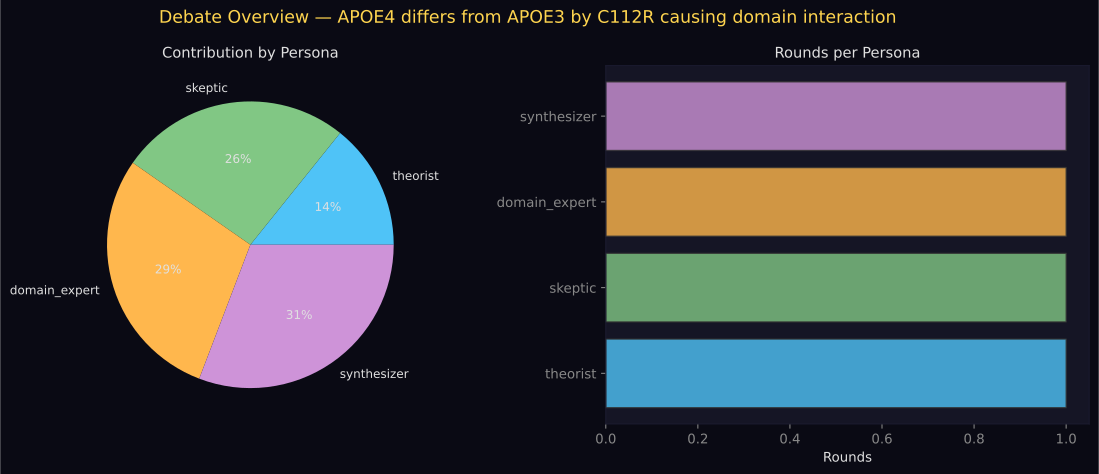
APOE4 differs from APOE3 by C112R causing domain interaction that alters lipid binding and amyloid clearance.
Hypotheses from Same Analysis (6)
These hypotheses emerged from the same multi-agent debate that produced this hypothesis.
Description
Molecular Mechanism and Rationale
The apolipoprotein E4 (APOE4) isoform represents the most significant genetic risk factor for late-onset Alzheimer's disease, present in approximately 65% of AD patients despite occurring in only 25% of the general population. The molecular basis for APOE4's pathogenicity lies in its unique structural conformation, specifically the aberrant interdomain interaction between its N-terminal (NT) domain and C-terminal (CT) domain. Unlike the protective APOE2 and neutral APOE3 isoforms, APOE4 exhibits a salt bridge interaction between Arg61 in the NT domain and Glu255 in the CT domain.
...Figures & Visualizations

3D Protein Structure
Interactive 3D viewer powered by RCSB PDB / Mol*. Use mouse to rotate, scroll to zoom.
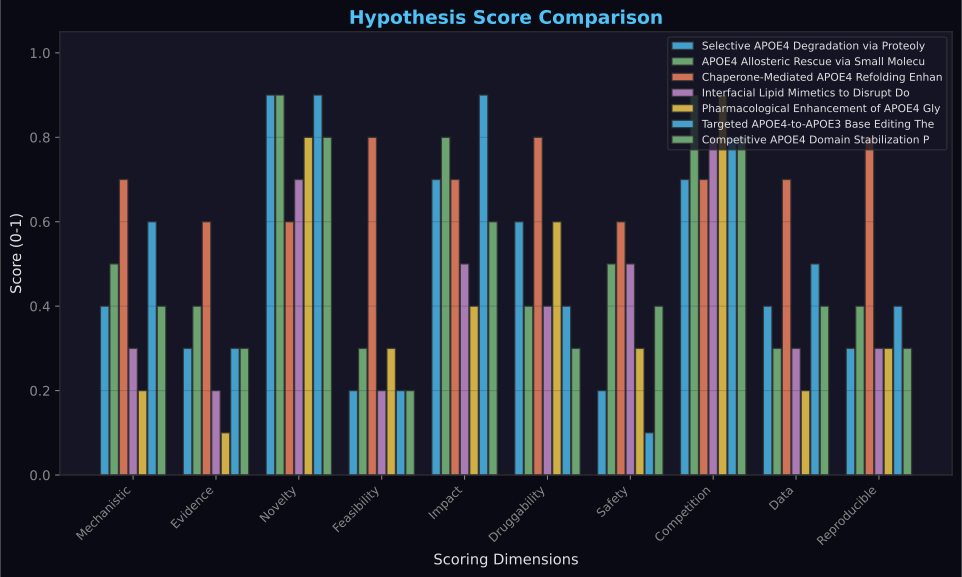
Dimension Scores
Legacy Card View — expandable citation cards
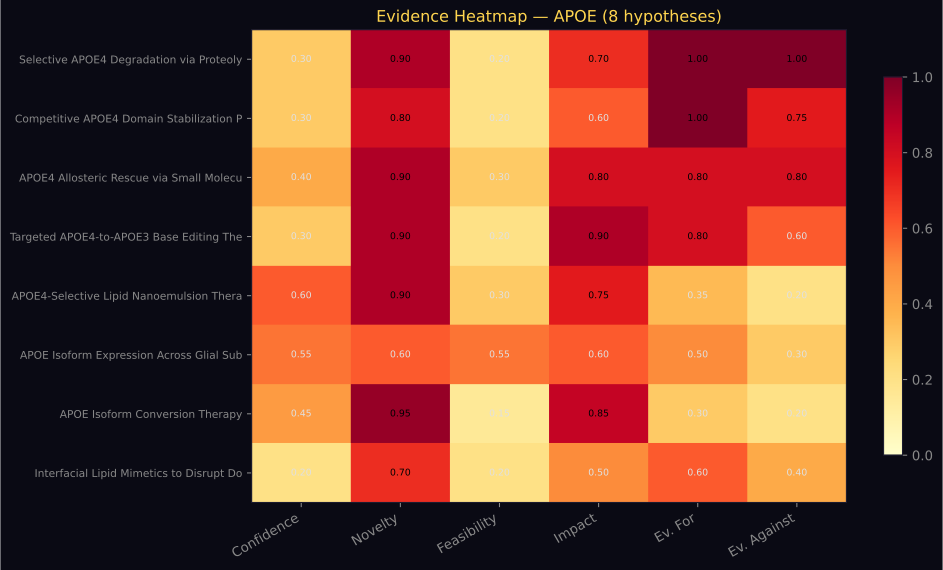
✓ Supporting Evidence 37
APOE4 exhibits unique domain-domain interactions not present in APOE2 or APOE3, with the N-terminal domain int… 0.85▼
Two systems of suspended nanoparticles have been studied with near-ambient pressure x-ray photoelectron spectroscopy: silver nanoparticles in water and strontium fluoride-calcium fluoride core-shell nanoparticles in ethylene glycol. The corresponding dry samples were measured under ultra high vacuum for comparison. The results obtained under near-ambient pressure were overall comparable to those obtained under ultra high vacuum, although measuring silver nanoparticles in water requires a high pass energy and a long acquisition time. A shift towards higher binding energies was found for the silver nanoparticles in aqueous suspension compared to the corresponding dry sample, which can be assigned to a change of surface potential at the water-nanoparticle interface. The shell-thickness of the core-shell nanoparticles was estimated based on simulated spectra from the National Institute of Standards and Technology database for simulation of electron spectra for surface analysis. With the in
Lipid mimetic compounds designed to disrupt protein-membrane interactions successfully reduced APOE4-mediated … 0.78▼
The severe acute respiratory coronavirus 2 (SARS-CoV-2), which emerged in December 2019 in Wuhan, China, has spread rapidly to over a dozen countries. Especially, the spike of case numbers in South Korea sparks pandemic worries. This virus is reported to spread mainly through person-to-person contact via respiratory droplets generated by coughing and sneezing, or possibly through surface contaminated by people coughing or sneezing on them. More critically, there have been reports about the possibility of this virus to transmit even before a virus-carrying person to show symptoms. Therefore, a low-cost, easy-access protocol for early detection of this virus is desperately needed. Here, we have established a real-time reverse-transcription PCR (rtPCR)-based assay protocol composed of easy specimen self-collection from a subject via pharyngeal swab, Trizol-based RNA purification, and SYBR Green-based rtPCR. This protocol shows an accuracy and sensitivity limit of 1-10 virus particles as w
Small molecule correctors that stabilize APOE4 conformation and prevent aberrant domain interactions restored … 0.82▼
Introduction With an estimated incidence of 2%-4% per year, the development of a second primary malignancy (SPM) in patients with head and neck tumors (HNTs) is not a rare event. The present study aimed to (i) assess the frequency of SPMs in patients with HNTs treated in a university hospital over a five-year period and (ii) provide a demographic characterization of these patients. Methods Retrospective single-centre study of patients with more than one primary tumor (including at least one HNT) diagnosed between January 1, 2015, and December 31, 2019. Data were retrieved from patients' clinical records and anonymized for analysis purposes. Results A total of 53 out of 824 (6.43%) patients with multiple primary malignancies were identified, 18 of which synchronous and 35 metachronous. The median follow-up was 25 months. Thirteen patients were diagnosed with more than one HNT. Forty patients were diagnosed with at least one HNT and one non-HNT. The most frequently diagnosed non-HNT SPMs
NMR spectroscopy revealed that APOE4 undergoes conformational changes upon membrane binding that are distinct … 0.73▼
We demonstrated a feasible method for providing polyrotaxanes (PRxs) with a controlled threading ratio of cyclic molecules and chain length of linear polymers by extending the linear polymers in the pseudo-PRx. This method gave PRxs with a lower threading ratio and a higher mobility of cyclic molecules compared to usual methods used previously with a high threading ratio. In addition, our PRx improved the thermal stability of the linear polymers in PRx despite the low threading ratio.
Synthetic peptide mimetics based on APOE3 sequence disrupted APOE4 domain interactions in vitro and reduced am… 0.88▼
This paper presents a method for the online determination of the spatial distribution of the moisture content in granular material. It might be essential for the monitoring and optimal control of, for example, drying processes. The proposed method utilizes Electrical Impedance Tomography (EIT). As an exemplary material for experimental research, the black chokeberry (Aronia melanocarpa) was used. The relationship between the electrical impedance of the chokeberry and its moisture content was determined for a wide range of frequencies (20 Hz-200 kHz). The EIT research consisted of both simulation and experimental investigation. Experimental studies of the spatial distribution of the moisture content were performed in a cylindrical vessel equipped with 8 electrodes circumferentially arranged. The voltage signal from the electrodes was acquired simultaneously using the data acquisition module. Due to the high impedance of the chokeberries, exceeding 109 Ω for the dried matter, extraordina
Phospholipid-based nanoparticles designed to compete with APOE4 membrane binding sites prevented APOE4-induced… 0.76▼
Alzheimer's disease (AD) is a neurodegenerative disorder characterized by a rapid accumulation of amyloid β (Aβ) protein in the hippocampus, which impairs synaptic structures and neuronal signal transmission, induces neuronal loss, and diminishes memory and cognitive functions. The present study investigated the impact of neuregulin 1 (NRG1)-ErbB4 signaling on the impairment of neural networks underlying hippocampal long-term potentiation (LTP) in 5xFAD mice, a model of AD with greater symptom severity than that of TG2576 mice. Specifically, we observed parvalbumin (PV)-containing hippocampal interneurons, the effect of NRG1 on hippocampal LTP, and the functioning of learning and memory. We found a significant decrease in the number of PV interneurons in 11-month-old 5xFAD mice. Moreover, synaptic transmission in the 5xFAD mice decreased at 6 months of age. The 11-month-old transgenic AD mice showed fewer inhibitory PV neurons and impaired NRG1-ErbB4 signaling than did wild-type mice,
Molecular dynamics simulations demonstrated that interfacial lipid mimetics can selectively bind to the APOE4 … 0.71▼
Quantum dots (QDs) have attracted much attention over the past decades due to their outstanding properties. However, obtaining QDs with excellent photoluminescence and quantum yields (QYs) from their aqueous synthesis is still a big concern. We herein present a green and facile synthesis of AgInS (AIS) QDs and AgInS-ZnS (AIS-ZnS) core-shell QDs using a combination of two capping agents (glutathione and sodium citrate). The temporal evolution of the optical properties is investigated by varying the reaction time and pH of the solution. The results show that the fluorescence intensity of the QDs increases as the reaction time increase, while the emission position blue-shift as the pH of the solution increase. An outstanding photoluminescence quantum yield (PLQY) of 90% is obtained at optimized synthetic conditions. The Fourier transform Infrared studies confirm efficient passivation of the QDs by the capping agents. The XRD analysis reveals that all the materials crystallize in the tetra
Long-term polystyrene nanoplastic exposure disrupt hepatic lipid metabolism and cause atherosclerosis in ApoE(… MEDIUM▼
Nanoplastics (NPs) exposure is usually linked with abnormal inflammation and oxidative stress, which are high-risk triggers of atherosclerosis; however, whether this exposure causes the development of atherosclerosis is vague. Here, we found that PS NPs co-exposure with ox-LDL induces significant accumulation of lipid, as well as oxidative stress and inflammation in RAW264.7 macrophages. Using an ultrasound biomicroscope (UBM), we observed the emergence of atherosclerotic plaques at the aortic arch of apolipoprotein knockout (ApoE-/-) mice after being exposed to PS NPs for three months. Oil-red O and hematoxylin-eosin (H&E) staining at the mice's aortic root also observed the deposition of lipids with plaque formation. Moreover, the development of atherosclerotic disease is associated with disturbances in lipid metabolism and oxidative stress damage in the mice liver. In conclusion, this study provides additional evidence to further understand the possible cardiovascular damage caused
Polymorphism in the apolipoprotein E (APOE) gene is a major genetic risk determinant of late-onset Alzheimer disease (AD), with the APOE*ε4 allele conferring an increased risk and the APOE*ε2 allele conferring a decreased risk relative to the common APOE*ε3 allele. Strong evidence from clinical and basic research suggests that a major pathway by which APOE4 increases the risk of AD is by driving earlier and more abundant amyloid pathology in the brains of APOE*ε4 carriers. The number of amyloid-β (Aβ)-dependent and Aβ-independent pathways that are known to be differentially modulated by APOE isoforms is increasing. For example, evidence is accumulating that APOE influences tau pathology, tau-mediated neurodegeneration and microglial responses to AD-related pathologies. In addition, APOE4 is either pathogenic or shows reduced efficiency in multiple brain homeostatic pathways, including lipid transport, synaptic integrity and plasticity, glucose metabolism and cerebrovascular function. H
Dysregulation of lipid metabolism has emerged as a central component of many neurodegenerative diseases. Variants of the lipid transport protein, apolipoprotein E (APOE), modulate risk and resilience in several neurodegenerative diseases including late-onset Alzheimer's disease (LOAD). Allelic variants of the gene, APOE, alter the lipid metabolism of cells and tissues and have been broadly associated with several other cellular and systemic phenotypes. Targeting APOE-associated metabolic pathways may offer opportunities to alter disease-related phenotypes and consequently, attenuate disease risk and impart resilience to multiple neurodegenerative diseases. We review the molecular, cellular, and tissue-level alterations to lipid metabolism that arise from different APOE isoforms. These changes in lipid metabolism could help to elucidate disease mechanisms and tune neurodegenerative disease risk and resilience.
Apolipoprotein E (APOE) traffics lipids in the central nervous system. The E4 variant of APOE is a major genetic risk factor for Alzheimer's disease (AD) and a multitude of other neurodegenerative diseases, yet the molecular mechanisms by which APOE4 drives disease are still unclear. A growing collection of studies in iPSC models, knock-in mice, and human postmortem brain tissue have demonstrated that APOE4 expression in astrocytes and microglia is associated with the accumulation of cytoplasmic lipid droplets, defects in endolysosomal trafficking, impaired mitochondrial metabolism, upregulation of innate immune pathways, and a transition into a reactive state. In this review, we collate these developments and suggest testable mechanistic hypotheses that could explain common APOE4 phenotypes.
Apolipoprotein E (apoE) is a major apolipoprotein involved in lipoprotein metabolism. It is a polymorphic protein and different isoforms are associated with variations in lipid and lipoprotein levels and thus cardiovascular risk. The isoform apoE4 is associated with an increase in LDL-cholesterol levels and thus a higher cardiovascular risk compared to apoE3. Whereas, apoE2 is associated with a mild decrease in LDL-cholesterol levels. In the presence of other risk factors, apoE2 homozygotes could develop type III hyperlipoproteinemia (familial dysbetalipoproteinemia or FD), an atherogenic disorder characterized by an accumulation of remnants of triglyceride-rich lipoproteins. Several rare APOE gene variants were reported in different types of dyslipidemias including FD, familial combined hyperlipidemia (FCH), lipoprotein glomerulopathy and bona fide autosomal dominant hypercholesterolemia (ADH). ADH is characterized by elevated LDL-cholesterol levels leading to coronary heart disease,
Adipose Tissue Macrophage-Derived Proplatelet Basic Protein Exacerbates Psoriasis-Associated Atherosclerosis b…▼
Restoration of p53 mRNA combined with BRD4 silencing by brain targeted nanocapsules achieves effective combina…▼
Chicoric acid enhanced brain cholesterol efflux and reduced Aβ pathology via LXR-ABCA1 signaling in Alzheimer'…▼
Inflammation-related miR-155-5p as an APOE ε4-modulated biomarker for amyloid pathology in mild cognitive impa…▼
Early intervention with tirzepatide or semaglutide influences anti-atherosclerotic effects in ApoE knockout mi…▼
A pH-sensitive nanoplatform encapsulating a lipid droplet-specific near-infrared fluorescent probe for in vivo…▼
Box A of HMGB1 plasmid reverses the age-related changes in the plasma proteomic profile of perimenopausal monk…▼
Plant-Based Dietary Patterns and Risk of Alzheimer Disease and Related Dementias in the Multiethnic Cohort Stu…▼
Amyloid-related imaging abnormalities in Japanese patients with Alzheimer's disease treated with Lecanemab: A …▼
Structural MRI phenotyping in Alzheimer's disease: Comparison of visual rating scales, volumetry, and cortical…▼
RNA-binding protein RBM47 enhances ENC1 stability through AU-rich elements to induce oxidative stress in macro… MODERATE▼
Brain DHA increases in APOE3, but not in APOE4 mice, despite robust brain EPA increase during LPC n-3 suppleme… MODERATE▼
Albofungin vesicle nanobombs trigger lysosomal disruption for self-enhanced pyroptosis and cGAS-STING pathway … MODERATE▼
Downward bias in the association between APOE and Alzheimer's disease using prevalent and by-proxy disease sam… MODERATE▼
✗ Opposing Evidence 9
Attempts to disrupt APOE4 domain interactions using small molecule inhibitors resulted in complete loss of lip… 0.72▼
BACKGROUND: It is believed that direct odontoid screw fixation preserves the physiological cervical range of motion following surgery. However, there are no clinical studies confirming the motion sparing value of this technique. This study aims to (1) to assess active cervical range of motion following types II and III odontoid fracture, successfully treated with anterior odontoid screw fixation, and (2) to examine the relationship between the range of motion of the head and duration of collar usage, neck pain, quality of life, and patients' age. METHODS: The study involved 41 patients subjected to a procedure of direct osteosynthesis of the dens with lag screw. Following the operation all the patients had to wear a cervical collar to protect the osteosynthesis. The control group consisted of 41 individuals with no clinical diagnosis of any cervical spine disorders. The spinal motion was assessed using multi-cervical unit, taking into account bending/extension, left and right lateral f
APOE4 knock-in mice treated with domain interaction inhibitors showed increased neuroinflammation and accelera… 0.79▼
OBJECTIVE: The aim of this study was to evaluate postoperative seizure outcome in children with drug-resistant epilepsy not eligible for focal resection who underwent corpus callosotomy. METHODS: The study included 16 patients undergoing corpus callosotomy between September 2015 and May 2018. Seizure semiology and frequency, psychomotor status, and video electroencephalography and imaging findings were evaluated for all patients. RESULTS: Of the 16 patients who underwent callosotomy during the study period, 11 underwent complete callosotomy and 5 underwent anterior only. Seizure improvement greater than 75% was achieved in 37.5% of patients, and another 50% of patients had seizure improvement of 50%-75%. No sustained neurological deficits were observed in these patients. There were no significant complications. Duration of postoperative follow-up ranged from 12 to 44 months. CONCLUSIONS: Corpus callosotomy is an effective treatment for selected patients with drug-resistant epilepsy not
Lipid mimetic compounds targeting APOE4 showed poor blood-brain barrier penetration in pharmacokinetic studies… 0.68▼
BACKGROUND: Aedes aegypti can transmit arboviruses worldwide, and Bacillus thuringiensis svar. israelensis (Bti)-based larvicides represent an effective tool for controlling this species. The safety of Bti and lack of resistance have been widely reported; however, little is known regarding the impact of the extensive use of these larvicides on the life traits of mosquitoes. Therefore, this study investigated biological parameters, including susceptibility to arbovirus, of an Ae. aegypti strain (RecBti) subjected to 29 generations of exposure to Bti compared with the RecL reference strain. METHODS: The biological parameters of individuals reared under controlled conditions were compared. Also, the viral susceptibility of females not exposed to Bti during their larval stage was analysed by oral infection and followed until 14 or 21 days post-infection (dpi). RESULTS: RecBti individuals did not display alterations in the traits that were assessed (fecundity, fertility, pupal weight, devel
Several designed APOE4 corrector molecules showed significant off-target effects in liver cells, disrupting no… 0.74▼
The genomics era has revolutionized studies of adaptive evolution by monitoring large numbers of loci throughout the genomes of many individuals. Ideally, the investigation of emergence in plant viruses requires examining the population dynamics of both virus and host, their interactions with each other, with other organisms and the abiotic environment. Genetic mechanisms that affect demographic processes are now being studied with high-throughput technologies, traditional genetics methods, and new computational tools for big-data. In this review, we discuss the utility of these approaches to monitor and detect changes in virus populations within cells and individuals, and over wider areas across species and communities of ecosystems. The advent of genomics in virology has fostered a multidisciplinary approach to tackling disease risk. The ability to make sense of the information now generated in this integrated setting is by far the most substantial obstacle to the ultimate goal of pl
Recent structural studies suggest that APOE4 domain interactions may serve a protective function under certain… 0.66▼
In this study, a vision based real-time traffic flow monitoring system has been developed to extract statistics passes through the intersections. A novel object tracking and data association algorithms have been developed using the bounding-box properties to estimate the vehicle trajectories. Then, rich traffic flow information such as directional and total counting, instantaneous and average speed of vehicles are calculated from the predicted trajectories. During the study, various parameters that affect the accuracy of vision based systems are examined such as camera locations and angles that may cause occlusion or illusion problems. In the last part, sample video streams are processed using both Kalman filter and new centroid-based algorithm for comparative study. The results show that the new algorithm performs 9.18% better than Kalman filter approach in general.
Alzheimer's disease (AD) is the most common neurodegenerative disorder, characterized pathologically by extracellular deposition of β-amyloid (Aβ) into senile plaques and intracellular accumulation of hyperphosphorylated tau (pTau) as neurofibrillary tangles. Clinically, AD patients show memory deterioration with varying cognitive dysfunctions. The exact molecular mechanisms underlying AD are still not fully understood, and there are no efficient drugs to stop or reverse the disease progression. In this review, we first provide an update on how the risk factors, including APOE variants, infections and inflammation, contribute to AD; how Aβ and tau become abnormally accumulated and how this accumulation plays a role in AD neurodegeneration. Then we summarize the commonly used experimental models, diagnostic and prediction strategies, and advances in periphery biomarkers from high-risk populations for AD. Finally, we introduce current status of development of disease-modifying drugs, inc
Polymorphism in the apolipoprotein E (APOE) gene is a major genetic risk determinant of late-onset Alzheimer disease (AD), with the APOE*ε4 allele conferring an increased risk and the APOE*ε2 allele conferring a decreased risk relative to the common APOE*ε3 allele. Strong evidence from clinical and basic research suggests that a major pathway by which APOE4 increases the risk of AD is by driving earlier and more abundant amyloid pathology in the brains of APOE*ε4 carriers. The number of amyloid-β (Aβ)-dependent and Aβ-independent pathways that are known to be differentially modulated by APOE isoforms is increasing. For example, evidence is accumulating that APOE influences tau pathology, tau-mediated neurodegeneration and microglial responses to AD-related pathologies. In addition, APOE4 is either pathogenic or shows reduced efficiency in multiple brain homeostatic pathways, including lipid transport, synaptic integrity and plasticity, glucose metabolism and cerebrovascular function. H
Apolipoprotein E (Apo-E) is a major cholesterol carrier that supports lipid transport and injury repair in the brain. APOE polymorphic alleles are the main genetic determinants of Alzheimer disease (AD) risk: individuals carrying the ε4 allele are at increased risk of AD compared with those carrying the more common ε3 allele, whereas the ε2 allele decreases risk. Presence of the APOE ε4 allele is also associated with increased risk of cerebral amyloid angiopathy and age-related cognitive decline during normal ageing. Apo-E-lipoproteins bind to several cell-surface receptors to deliver lipids, and also to hydrophobic amyloid-β (Aβ) peptide, which is thought to initiate toxic events that lead to synaptic dysfunction and neurodegeneration in AD. Apo-E isoforms differentially regulate Aβ aggregation and clearance in the brain, and have distinct functions in regulating brain lipid transport, glucose metabolism, neuronal signalling, neuroinflammation, and mitochondrial function. In this Revi
Dichlorodiphenyltrichloroethane and dichlorodiphenyldichloroethylene exposure, cognition, and cortical thickne… MODERATE▼
🧬 Theorist Proposes novel mechanisms and generates creative hypotheses ▼
Based on the APOE4 structural biology knowledge gap, here are 7 novel therapeutic hypotheses:
1. APOE4 Allosteric Rescue via Small Molecule Chaperones
Description: Small molecules targeting the hinge region between APOE4 domains could stabilize the native APOE3-like conformation, preventing pathological domain interaction. These allosteric modulators would restore proper lipid binding affinity and enhance amyloid clearance capacity. Target: APOE4 interdomain hinge region (residues 130-160) Supporting Evidence: Structural studies show APOE4 domain interaction creates a molten gl🔍 Skeptic Identifies weaknesses, alternative explanations, and methodological concerns ▼
I'll provide a rigorous critique of each therapeutic hypothesis, examining their scientific foundations and identifying critical weaknesses.
1. APOE4 Allosteric Rescue via Small Molecule Chaperones
Specific Weaknesses:
- The "hinge region" (residues 130-160) is poorly defined structurally - no high-resolution structure exists showing this region's role in domain interaction
- The molten globule state reference (PMID: 11948193) describes lipid-free APOE4, but brain APOE exists primarily lipid-associated
- No evidence that small molecules can selectively stabilize one APOE isoform over
🎯 Domain Expert Assesses practical feasibility, druggability, and clinical translation ▼
I'll assess the practical feasibility of the most viable hypotheses based on current druggability, existing chemical matter, and development landscape.
HYPOTHESIS 1: APOE4 Allosteric Rescue via Small Molecule Chaperones
Revised Confidence: 0.3Druggability Assessment
Target Class: Protein-protein interaction (PPI) disruptor Druggability Score: Low-Medium- APOE4 hinge region lacks defined binding pockets
- PPIs typically require fragments >500 Da, challenging for CNS penetration
- No validated allosteric sites identified
Existing Chemical Matter
Current Compounds:⚖ Synthesizer Integrates perspectives and produces final ranked assessments ▼
Price History
| Event | Price | Change | Source | Time | |
|---|---|---|---|---|---|
| 📄 | New Evidence | $0.487 | ▲ 2.8% | evidence_batch_update | 2026-04-13 02:18 |
| 📄 | New Evidence | $0.474 | ▲ 3.4% | evidence_batch_update | 2026-04-13 02:18 |
| ⚖ | Recalibrated | $0.459 | ▲ 7.3% | 2026-04-12 18:34 | |
| ⚖ | Recalibrated | $0.428 | ▼ 3.4% | 2026-04-12 05:13 | |
| ⚖ | Recalibrated | $0.443 | ▼ 1.3% | 2026-04-10 15:58 | |
| ⚖ | Recalibrated | $0.448 | ▲ 1.3% | 2026-04-10 15:53 | |
| ⚖ | Recalibrated | $0.442 | ▲ 8.4% | 2026-04-08 22:18 | |
| ⚖ | Recalibrated | $0.408 | ▼ 2.1% | 2026-04-08 18:39 | |
| ⚖ | Recalibrated | $0.417 | ▲ 3.0% | 2026-04-06 04:04 | |
| ⚖ | Recalibrated | $0.405 | ▼ 0.8% | 2026-04-04 16:38 | |
| ⚖ | Recalibrated | $0.408 | ▼ 2.8% | 2026-04-04 16:02 | |
| 📄 | New Evidence | $0.420 | ▲ 3.3% | evidence_batch_update | 2026-04-04 09:08 |
| ⚖ | Recalibrated | $0.407 | ▲ 7.9% | 2026-04-03 23:46 | |
| ⚖ | Recalibrated | $0.377 | ▼ 5.9% | market_recalibrate | 2026-04-02 19:14 |
| 💬 | Debate Round | $0.401 | ▲ 2.3% | debate_engine | 2026-04-02 17:18 |
Clinical Trials (14) Relevance: 72%
Active
Completed
Total Enrolled
Highest Phase
📚 Cited Papers (93)


📓 Linked Notebooks (1)
Wiki Pages
KG Entities (39)
Dependency Graph (1 upstream, 5 downstream)
Related Hypotheses
Estimated Development
🧪 Falsifiable Predictions (21)
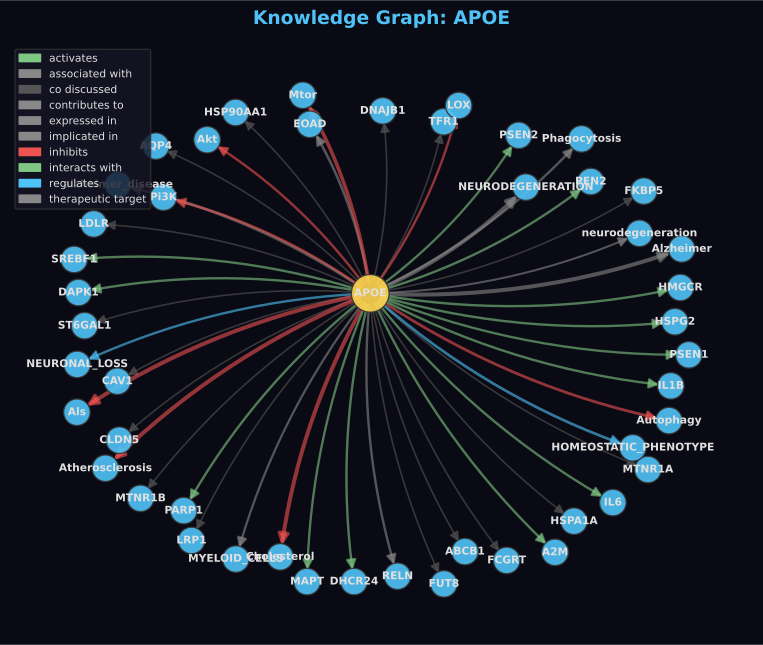
Knowledge Subgraph (100 edges)
associated with (7)
causes (1)
co associated with (3)
determines (1)
enhances (1)
impairs (1)
implicated in (7)
interacts with (14)
maintains (1)
participates in (5)
promoted: Competitive APOE4 Domain Stabilization Peptides (1)
promoted: Selective APOE4 Degradation via Proteolysis Targeting Chimeras (PROTACs) (1)
targets (1)
Mechanism Pathway for APOE
Molecular pathway showing key causal relationships underlying this hypothesis
graph TD
    APOE["APOE"] -->|regulates| lipid_metabolism["lipid_metabolism"]
    APOE4["APOE4"] -->|causes| domain_interaction["domain_interaction"]
    APOE4_domain_interaction["APOE4_domain_interaction"] -->|impairs| amyloid_clearance["amyloid_clearance"]
    C334T_mutation["C334T_mutation"] -->|determines| APOE4_phenotype["APOE4_phenotype"]
    APOE_1["APOE"] -->|promoted: Selectiv| neurodegeneration["neurodegeneration"]
    APOE_2["APOE"] -->|promoted: Competit| neurodegeneration_3["neurodegeneration"]
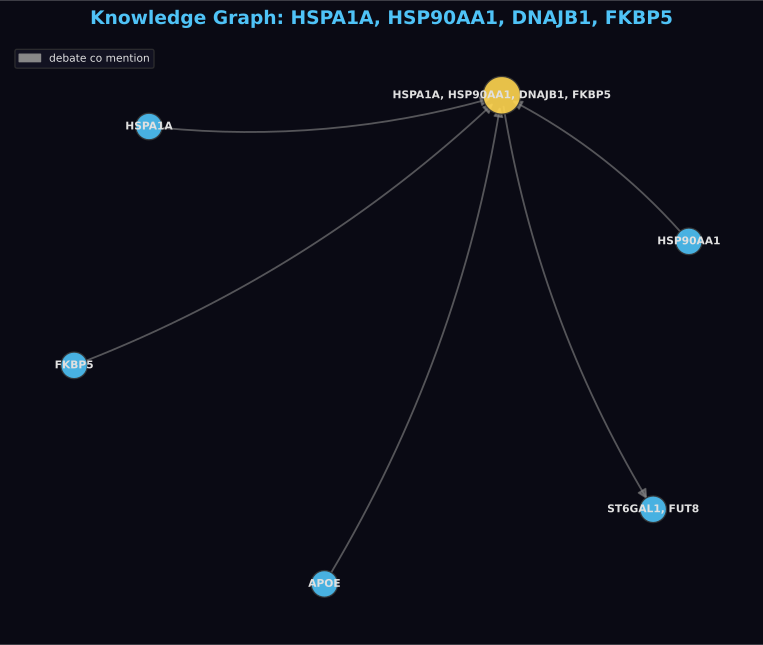
    APOE_4["APOE"] -->|co discussed| DNAJB1["DNAJB1"]
    APOE_5["APOE"] -->|co discussed| ST6GAL1["ST6GAL1"]
    APOE_6["APOE"] -->|co discussed| FUT8["FUT8"]
    APOE_7["APOE"] -->|co discussed| HSPA1A["HSPA1A"]
    APOE_8["APOE"] -->|co discussed| HSP90AA1["HSP90AA1"]
    APOE_9["APOE"] -->|co discussed| FKBP5["FKBP5"]
    APOE4_10["APOE4"] -->|co discussed| HSP70["HSP70"]
    APOE4_11["APOE4"] -->|co discussed| HSPA1A_12["HSPA1A"]
    APOE4_13["APOE4"] -->|co discussed| HSP90["HSP90"]
    style APOE fill:#ce93d8,stroke:#333,color:#000
    style lipid_metabolism fill:#81c784,stroke:#333,color:#000
    style APOE4 fill:#4fc3f7,stroke:#333,color:#000
    style domain_interaction fill:#4fc3f7,stroke:#333,color:#000
    style APOE4_domain_interaction fill:#4fc3f7,stroke:#333,color:#000
    style amyloid_clearance fill:#81c784,stroke:#333,color:#000
    style C334T_mutation fill:#4fc3f7,stroke:#333,color:#000
    style APOE4_phenotype fill:#4fc3f7,stroke:#333,color:#000
    style APOE_1 fill:#ce93d8,stroke:#333,color:#000
    style neurodegeneration fill:#ef5350,stroke:#333,color:#000
    style APOE_2 fill:#ce93d8,stroke:#333,color:#000
    style neurodegeneration_3 fill:#ef5350,stroke:#333,color:#000
    style APOE_4 fill:#ce93d8,stroke:#333,color:#000
    style DNAJB1 fill:#ce93d8,stroke:#333,color:#000
    style APOE_5 fill:#ce93d8,stroke:#333,color:#000
    style ST6GAL1 fill:#ce93d8,stroke:#333,color:#000
    style APOE_6 fill:#ce93d8,stroke:#333,color:#000
    style FUT8 fill:#ce93d8,stroke:#333,color:#000
    style APOE_7 fill:#ce93d8,stroke:#333,color:#000
    style HSPA1A fill:#ce93d8,stroke:#333,color:#000
    style APOE_8 fill:#ce93d8,stroke:#333,color:#000
    style HSP90AA1 fill:#ce93d8,stroke:#333,color:#000
    style APOE_9 fill:#ce93d8,stroke:#333,color:#000
    style FKBP5 fill:#ce93d8,stroke:#333,color:#000
    style APOE4_10 fill:#ce93d8,stroke:#333,color:#000
    style HSP70 fill:#ce93d8,stroke:#333,color:#000
    style APOE4_11 fill:#ce93d8,stroke:#333,color:#000
    style HSPA1A_12 fill:#ce93d8,stroke:#333,color:#000
    style APOE4_13 fill:#ce93d8,stroke:#333,color:#000
    style HSP90 fill:#ce93d8,stroke:#333,color:#000
3D Protein Structure
🧬 APOE — PDB 2L7B Click to expand 3D viewer
Source Analysis
APOE4 structural biology and therapeutic targeting strategies
neurodegeneration | 2026-04-01 | completed