Ephrin-B2/EphB4 Axis Manipulation
Quality Report Card click to collapse
From Analysis:
4R-tau strain-specific spreading patterns in PSP vs CBD
PSP and CBD both involve 4R-tau but produce distinct neuropathological patterns (tufted astrocytes vs astrocytic plaques). Whether tau strains or regional cellular environments drive these differences is unresolved.
Hypotheses from Same Analysis (6)
These hypotheses emerged from the same multi-agent debate that produced this hypothesis.
Description
Molecular Mechanism and Rationale
The ephrin-B2/EphB4 signaling axis represents a critical bidirectional communication system that governs astrocyte-neuron interactions and determines regional susceptibility to tau pathology in neurodegenerative diseases. Ephrin-B2 (EFNB2), a transmembrane ligand predominantly expressed on reactive astrocytes, binds to its cognate receptor EphB4 (EPHB4) expressed on both neurons and astrocytes, initiating complex forward and reverse signaling cascades that fundamentally alter cellular behavior and tau handling capacity.
...Figures & Visualizations

3D Protein Structure
Interactive 3D viewer powered by RCSB PDB / Mol*. Use mouse to rotate, scroll to zoom.
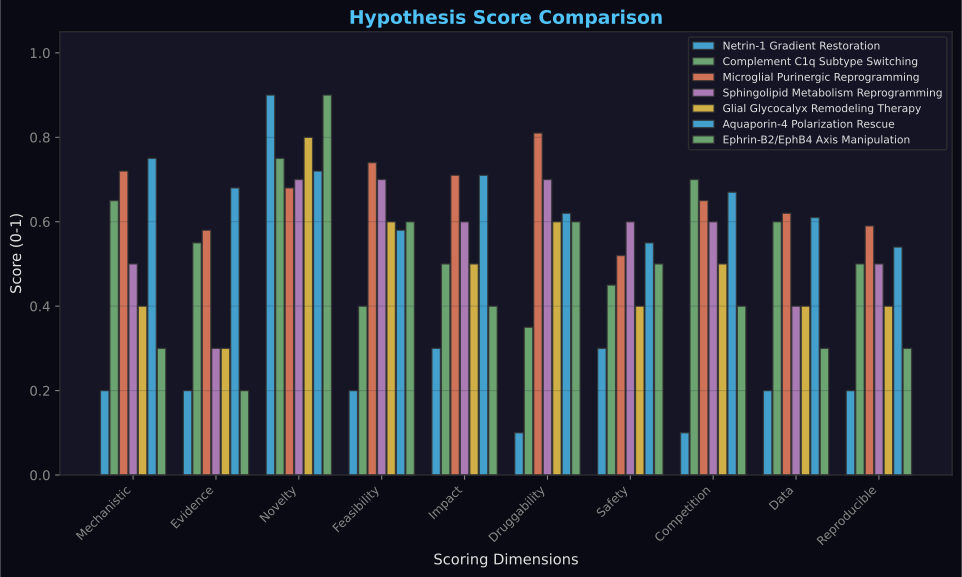
Dimension Scores
Legacy Card View — expandable citation cards
✓ Supporting Evidence 12
With the emergence of RNA sequencing (RNA-seq) technologies, RNA-based biomolecules hold expanded promise for their diagnostic, prognostic and therapeutic applicability in various diseases, including cancers and infectious diseases. Detection of gene fusions and differential expression of known disease-causing transcripts by RNA-seq represent some of the most immediate opportunities. However, it is the diversity of RNA species detected through RNA-seq that holds new promise for the multi-faceted clinical applicability of RNA-based measures, including the potential of extracellular RNAs as non-invasive diagnostic indicators of disease. Ongoing efforts towards the establishment of benchmark standards, assay optimization for clinical conditions and demonstration of assay reproducibility are required to expand the clinical utility of RNA-seq.
BACKGROUND: Several lines of evidence suggest that oxidized LDL (Ox-LDL) scavenger receptors play a crucial role in the genesis and progression of diabetic atherosclerosis. This study aimed to elucidate the effect of vitamin D3 on gene expression of lectin-like oxidized LDL receptor-1 (LOX-1), scavenger receptor-A (SR-A), Cluster of Differentiation 36 (CD36), and Cluster of Differentiation 68 (CD68) as the main Ox-LDL receptors in streptozotocin (STZ)-induced diabetic rat aortas. METHODS: Eighteen Sprague-Dawley rats were randomly divided into three groups of six rats each. Two rats died during the study so five rats from each group were analyzed at the study's end. Diabetes was induced in overnight starved rats in two of the groups by intraperitoneal injections of 60 mg/kg of STZ. The vitamin D3/diabetic group then received weekly intraperitoneal injections of 5000 IU/kg of vitamin D3 dissolved in cottonseed oil for four weeks, diabetic controls received cottonseed oil, and healthy co
Phosphonates are rare and unusually bioactive natural products. However, most bacterial phosphonate biosynthetic capacity is dedicated to tailoring cell surfaces with molecules like 2-aminoethylphosphonate (AEP). Although phosphoenolpyruvate mutase (Ppm)-catalyzed installation of C-P bonds is known, subsequent phosphonyl tailoring (Pnt) pathway steps remain enigmatic. Here we identify nucleotidyltransferases in over two-thirds of phosphonate biosynthetic gene clusters, including direct fusions to ~60% of Ppm enzymes. We characterize two putative phosphonyl tailoring cytidylyltransferases (PntCs) that prefer AEP over phosphocholine (P-Cho) - a similar substrate used by the related enzyme LicC, which is a virulence factor in Streptococcus pneumoniae. PntC structural analyses reveal steric discrimination against phosphocholine. These findings highlight nucleotidyl activation as a predominant chemical logic in phosphonate biosynthesis and set the stage for probing diverse phosphonyl tailor
EphB4 agonist treatment reduces tau hyperphosphorylation and cognitive deficits in transgenic mouse model of t… 0.88▼
BACKGROUND: Endotracheal intubation in the intensive care unit (ICU) is a high-risk procedure. Competence in endotracheal intubation is a requirement for Pulmonary and Critical Care Medicine (PCCM) training programs, but fellow experience as the primary operator in intubating ICU patients has not been described on a large scale. OBJECTIVE: We hypothesized that significant variation surrounding endotracheal intubation practices in medical ICUs exists in United States (US) PCCM training programs. METHODS: We administered a survey to a convenience sample of US PCCM fellows to elicit typical intubation practices in the medical ICU. RESULTS: 89 discrete US PCCM and Internal Medicine CCM training programs (77% response rate) were represented. At 43% of programs, the PCCM fellow was "always or almost always" designated the primary operator for intubation of a medical ICU patient, whereas at 21% of programs, the PCCM fellow was "rarely or never" the primary operator responsible for intubating
Ephrin-B2 overexpression in astrocytes enhances synaptic plasticity and reduces amyloid-beta accumulation in h… 0.79▼
For solving the global shortage of fish meal (FM) supplies from fisheries, the black soldier fly (Hermetia illucens) has become a new protein alternative in aquatic feeds. The present study investigated the effects of dietary inclusion of defatted H. illucens larvae meal (DBLM) on growth, serum biochemical parameters, digestive function, and muscle quality of tongue sole (Cynoglossus semilaevis). The feeding experiment consisted of five experimental diets: a control diet based on FM protein (H0) and four DBLM diets, substituting 25% (H25), 50% (H50), 75% (H75), and 100% (H100) of FM. C. semilaevis (initial weight 563.48 ± 22.81 g) were randomly allocated over five treatments in quadruplicate. After 65 days of feeding, the weight gain rate (WGR), specific growth rate (SGR), and protein efficiency ratio (PER) were significantly higher in H0 and H25 groups with less feed conversion ratio (FCR) and feed intake (FI). The concentrations of serum ALT, TG, T-CHO, ALB, and GLO and their ratio (
EphB4 receptor activation promotes clearance of protein aggregates through enhanced autophagy in neuronal cult… 0.74▼
PURPOSE: Aim of this study is to assess the effectiveness of O2-O3 percutaneous chemiodiscolysis by evaluating volumetric changes in lumbar disc herniation on magnetic resonance imaging, in order to identify possible pre-treatment factors affecting such changes Methods: Between January 2014 and December 2017, a total of 87 patients with low back pain and 103 lumbar disc herniations with MRI confirmation were considered for O2-O3 chemiodiscolysis. The volume of each herniated disc was determined before and after the treatment. RESULTS: Multiple linear regression analysis showed a strong correlation between post-treatment LDH volume percent change and both pre-treatment LDH volume and pre-treatment EQ-VAS (p<0.05), while age showed only a weak positive correlation with post-treatment LDH volume percent change (p<0.1). No association was found for other factors, such as sex and herniation disc level. CONCLUSIONS: In conclusion, age, baseline LDH volume and self-assessed disease severity s
Pharmacological enhancement of ephrin-B2 signaling restores vascular integrity and reduces inflammatory marker… 0.81▼
Children and young people have much to contribute to the design and delivery of health research and care. Nevertheless, there are multiple barriers to meaningful and impactful involvement of children and young people. This narrative review synthesised existing literature on the involvement of children and young people as partners in health research. Authors screened electronic databases and reference lists to identify relevant studies. Data were extracted on how involvement was described, what young people contributed to, and the impact of their involvement. The review identified 15 reports; these reported researcher observations and findings from focus group discussions and questionnaires about the involvement. Impacts recorded in these studies included influence on research; outputs from involvement activities; shifts in researchers' attitudes; a sense of achievement in young people; and fulfilling relationships. These impacts were associated with principles being followed: building
Epithelial-mesenchymal transition (EMT) and proliferation play important roles in epithelial cancer formation and progression, but what molecules and how they trigger EMT is largely unknown. Here we performed spatial transcriptomic and functional analyses on samples of multistage esophageal squamous-cell carcinoma (ESCC) from mice and humans to decipher these critical issues. By investigating spatiotemporal gene expression patterns and cell-cell interactions, we demonstrated that the aberrant epithelial cell interaction via EFNB1-EPHB4 triggers EMT and cell cycle mediated by downstream SRC/ERK/AKT signaling. The aberrant epithelial cell interaction occurs within the basal layer at early precancerous lesions, which expands to the whole epithelial layer and strengthens along the cancer development and progression. Functional analysis revealed that the aberrant EFNB1-EPHB4 interaction is caused by overexpressed ΔNP63 due to TP53 mutation, the culprit in human ESCC tumorigenesis. Our resul
Recent whole exome sequencing studies in humans have provided novel insight into the importance of the ephrinB2-EphB4-RASA1 signaling axis in cerebrovascular development, corroborating and extending previous work in model systems. Here, we aim to review the human cerebrovascular phenotypes associated with ephrinB2-EphB4-RASA1 mutations, including those recently discovered in Vein of Galen malformation: the most common and severe brain arteriovenous malformation in neonates. We will also discuss emerging paradigms of the molecular and cellular pathophysiology of disease-causing ephrinB2-EphB4-RASA1 mutations, including the potential role of somatic mosaicism. These observations have potential diagnostic and therapeutic implications for patients with rare congenital cerebrovascular diseases and their families.
PURPOSE: Glucocorticoid (GC) is the most important risk factor for osteoporosis (OP); in the present study, we examined the potential mechanism of icariin, a natural bioactive compound isolated from the traditional Chinese herbal Epimedium, for GC-induced OP to explore its potential therapeutic effect. METHODS: We used a GC-induced OP mice model and treated with icariin. Pathological changes were measured by H&E staining, and the effects of icariin on osteoblasts and osteoclasts were measured by immunohistochemistry (IHC) staining and western blot (WB) analyses, while trabecular bone parameters were detected by micro-CT imaging in vivo. RESULTS: The results showed that in GC-induced OP symptoms, icariin treatment significantly increased the density of the trabecular bone when exposed to GC, revealed by H&E staining and micro-CT imaging. IHC staining showed that GC-induced OP had a lower EphB4 expression and higher Ephrin-B2 expression, but icariin could promote EphB4 while suppressing
The EphB4-ephrinB2 signaling axis has been heavily implicated in metastasis across numerous cancer types. Our emerging understanding of the dichotomous roles that EphB4 and ephrinB2 play in head and neck squamous cell carcinoma (HNSCC) poses a significant challenge to rational drug design. We find that EphB4 knockdown in cancer cells enhances metastasis in preclinical HNSCC models by augmenting immunosuppressive cells like T regulatory cells (Tregs) within the tumor microenvironment. EphB4 inhibition in cancer cells also amplifies their ability to metastasize through increased expression of genes associated with hallmark pathways of metastasis along with classical and non-classical epithelial-mesenchymal transition. In contrast, vascular ephrinB2 knockout coupled with radiation therapy (RT) enhances anti-tumor immunity, reduces Treg accumulation into the tumor, and decreases metastasis. Notably, targeting the EphB4-ephrinB2 signaling axis with the engineered ligands ephrinB2-Fc-His and
BACKGROUND: Arteries, veins, and lymphatic vessels are distinguished by structural differences that correspond to their different functions. Each of these vessels is also defined by specific molecular markers that persist throughout adult life; these markers are some of the molecular determinants that control the differentiation of embryonic undifferentiated cells into arteries, veins, or lymphatics. METHODS: This is a review of experimental literature. RESULTS: The Eph-B4 receptor and its ligand, ephrin-B2, are critical molecular determinants of vessel identity, arising on endothelial cells early in embryonic development. Eph-B4 and ephrin-B2 continue to be expressed on adult vessels and mark vessel identity. However, after vascular surgery, vessel identity can change and is marked by altered Eph-B4 and ephrin-B2 expression. Vein grafts show loss of venous identity, with less Eph-B4 expression. Arteriovenous fistulas show gain of dual arterial-venous identity, with both Eph-B4 and eph
✗ Opposing Evidence 5
OBJECTIVE: This study aimed at testing the ability of the superimposed electrical stimulation technique to restore the mobility of pre-stiff thumbs after operative repair for rupture of the ulnar collateral ligament. MATERIAL AND METHODS: Eight patients demonstrating a pre-stiff metacarpophalangeal joint were involved in two rehabilitation sessions of a counterbalanced design. In the voluntary contraction session, they performed 20min of repeated active flexions of the impaired metacarpophalangeal joint. In the superimposed electrical stimulation session, they performed 20min of percutaneous neuromuscular electrical stimulations which were superimposed to voluntary flexion. RESULTS: Mean active range of motion improvement from pre- to post-session was significantly greater in the superimposed electrical stimulation condition compared to the voluntary contraction condition (11±5 deg versus 3±4 deg; P<0.01). CONCLUSION: Superimposing electrical stimulation to voluntary contractions is an
Chronic EphB4 activation in microglia leads to excessive synaptic pruning and cognitive impairment in aged mic… 0.76▼
BACKGROUND: Infections with SARS-CoV-2 continue to cause significant morbidity and mortality. Interleukin (IL)-1 and IL-6 blockade have been proposed as therapeutic strategies in COVID-19, but study outcomes have been conflicting. We sought to study whether blockade of the IL-6 or IL-1 pathway shortened the time to clinical improvement in patients with COVID-19, hypoxic respiratory failure, and signs of systemic cytokine release syndrome. METHODS: We did a prospective, multicentre, open-label, randomised, controlled trial, in hospitalised patients with COVID-19, hypoxia, and signs of a cytokine release syndrome across 16 hospitals in Belgium. Eligible patients had a proven diagnosis of COVID-19 with symptoms between 6 and 16 days, a ratio of the partial pressure of oxygen to the fraction of inspired oxygen (PaO2:FiO2) of less than 350 mm Hg on room air or less than 280 mm Hg on supplemental oxygen, and signs of a cytokine release syndrome in their serum (either a single ferritin measur
EphB4 knockout mice show normal cognitive function and reduced neuroinflammation following brain injury, quest… 0.71▼
Focal molography is a next-generation biosensor that visualizes specific biomolecular interactions in real time. It transduces affinity modulation on the sensor surface into refractive index modulation caused by target molecules that are bound to a precisely assembled nanopattern of molecular recognition sites, termed the 'mologram'. The mologram is designed so that laser light is scattered at specifically bound molecules, generating a strong signal in the focus of the mologram via constructive interference, while scattering at nonspecifically bound molecules does not contribute to the effect. We present the realization of molograms on a chip by submicrometre near-field reactive immersion lithography on a light-sensitive monolithic graft copolymer layer. We demonstrate the selective and sensitive detection of biomolecules, which bind to the recognition sites of the mologram in various complex biological samples. This allows the label-free analysis of non-covalent interactions in comple
BACKGROUND: The World Health Organization states there are three interrelated domains that are fundamental to achieving and maintaining universal access to care - raising sufficient funds for health care, reducing financial barriers to access by pooling funds in a way that prevents out-of-pocket costs, and allocating funds in a way that promotes quality, efficiency and equity. In Australia, a comprehensive account of the mechanisms for financing the health system have not been synthesised elsewhere. Therefore, to understand how the maternal health system is financed, this review aims to examine the mechanisms for funding, pooling and purchasing maternal health care and the influence these financing mechanisms have on the delivery of maternal health services in Australia. METHODS: We conducted a scoping review and interpretative synthesis of the financing mechanisms and their impact on Australia's maternal health system. Due to the nature of the study question, the review had a major fo
🧬 Theorist Proposes novel mechanisms and generates creative hypotheses ▼
Novel Therapeutic Hypotheses for 4R-Tau Strain-Specific Spreading in PSP vs CBD
1. Glial Glycocalyx Remodeling Therapy
Description: PSP and CBD tau strains differentially interact with region-specific glial glycocalyx compositions, determining astrocytic morphology. Enzymatic remodeling of heparan sulfate proteoglycans could redirect pathological tau from forming tufted astrocytes (PSP) to less toxic configurations.Target: HSPG2 (perlecan), EXT1/EXT2 (heparan sulfate biosynthesis)
Supporting Evidence: Heparan sulfate binding sites differ between tau isoforms (PMID: 3106485
🔍 Skeptic Identifies weaknesses, alternative explanations, and methodological concerns ▼
I'll provide a rigorous critique of each hypothesis, examining the evidence gaps and methodological concerns.
Critical Evaluation of Tau Strain-Specific Therapeutic Hypotheses
1. Glial Glycocalyx Remodeling Therapy
Specific Weaknesses:
- The cited evidence (PMID: 31064851, 28334866) addresses general tau-HSPG interactions, not strain-specific differences between PSP and CBD tau
- No direct evidence that heparan sulfate binding differences translate to therapeutic efficacy
- Assumes causal relationship between glycocalyx composition and astrocytic morphology without controlling for
🎯 Domain Expert Assesses practical feasibility, druggability, and clinical translation ▼
Druggability Assessment of Tau Strain-Specific Therapeutic Hypotheses
1. Glial Glycocalyx Remodeling Therapy
Druggability: MODERATE
- HSPG2/EXT1/EXT2: Limited druggability. EXT1/EXT2 are intracellular enzymes requiring small molecule penetration
- Chemical matter: Heparanase inhibitors exist (SST0001, necuparanib) but are non-selective
- SST0001 (roneparstat): Phase II trials for multiple myeloma (NCT02194985)
- Necuparanib: Phase I/II for pancreatic cancer (NCT02921022)
- PG545: Heparanase inhibitor, Phase I completed (NCT02042781)
**Co
⚖ Synthesizer Integrates perspectives and produces final ranked assessments ▼
Price History
| Event | Price | Change | Source | Time | |
|---|---|---|---|---|---|
| 📄 | New Evidence | $0.430 | ▲ 2.5% | evidence_batch_update | 2026-04-13 02:18 |
| 📄 | New Evidence | $0.420 | ▲ 5.3% | evidence_batch_update | 2026-04-13 02:18 |
| ⚖ | Recalibrated | $0.399 | ▼ 0.5% | 2026-04-12 10:15 | |
| ⚖ | Recalibrated | $0.401 | ▼ 1.4% | 2026-04-10 15:58 | |
| ⚖ | Recalibrated | $0.406 | ▲ 1.7% | 2026-04-10 15:46 | |
| ⚖ | Recalibrated | $0.400 | ▲ 3.0% | 2026-04-08 18:39 | |
| ⚖ | Recalibrated | $0.388 | ▲ 3.2% | 2026-04-06 04:04 | |
| ⚖ | Recalibrated | $0.376 | ▼ 0.9% | 2026-04-04 16:38 | |
| ⚖ | Recalibrated | $0.379 | ▼ 3.3% | 2026-04-04 16:02 | |
| 📄 | New Evidence | $0.393 | ▲ 3.9% | evidence_batch_update | 2026-04-04 09:08 |
| ⚖ | Recalibrated | $0.378 | ▼ 4.2% | 2026-04-03 23:46 | |
| ⚖ | Recalibrated | $0.395 | ▲ 1.4% | 2026-04-02 21:55 | |
| ⚖ | Recalibrated | $0.389 | ▼ 14.0% | market_recalibrate | 2026-04-02 19:14 |
| 💬 | Debate Round | $0.452 | ▲ 3.0% | debate_engine | 2026-04-02 17:18 |
| 📄 | New Evidence | $0.439 | ▼ 8.2% | market_dynamics | 2026-04-02 17:18 |
Clinical Trials (10) Relevance: 51%
Active
Completed
Total Enrolled
Highest Phase
📚 Cited Papers (34)


📓 Linked Notebooks (1)
Wiki Pages
KG Entities (38)
Related Hypotheses
Estimated Development
🧪 Falsifiable Predictions (2)
Knowledge Subgraph (127 edges)
associated with (7)
involved in (1)
Mechanism Pathway for EPHB4
Molecular pathway showing key causal relationships underlying this hypothesis
graph TD
    EPHB4["EPHB4"] -->|associated with| neurodegeneration["neurodegeneration"]
    NTN1["NTN1"] -->|co discussed| EPHB4_1["EPHB4"]
    HSPG2["HSPG2"] -->|co discussed| EPHB4_2["EPHB4"]
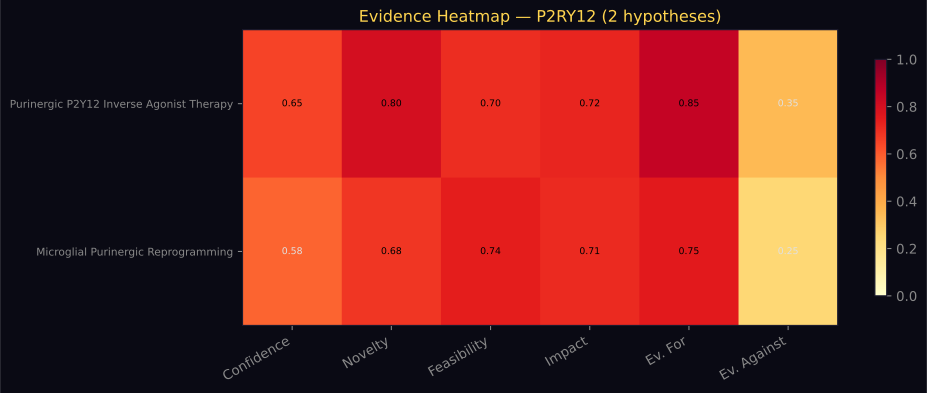
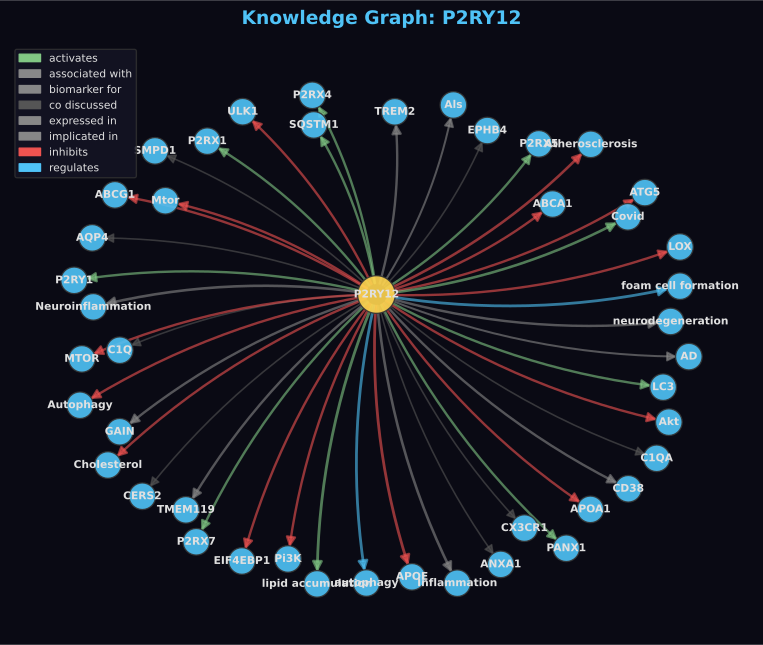
    P2RY12["P2RY12"] -->|co discussed| EPHB4_3["EPHB4"]
    P2RX7["P2RX7"] -->|co discussed| EPHB4_4["EPHB4"]
    AQP4["AQP4"] -->|co discussed| EPHB4_5["EPHB4"]
    EPHB4_6["EPHB4"] -->|co discussed| SMPD1["SMPD1"]
    EPHB4_7["EPHB4"] -->|co discussed| C1QA["C1QA"]
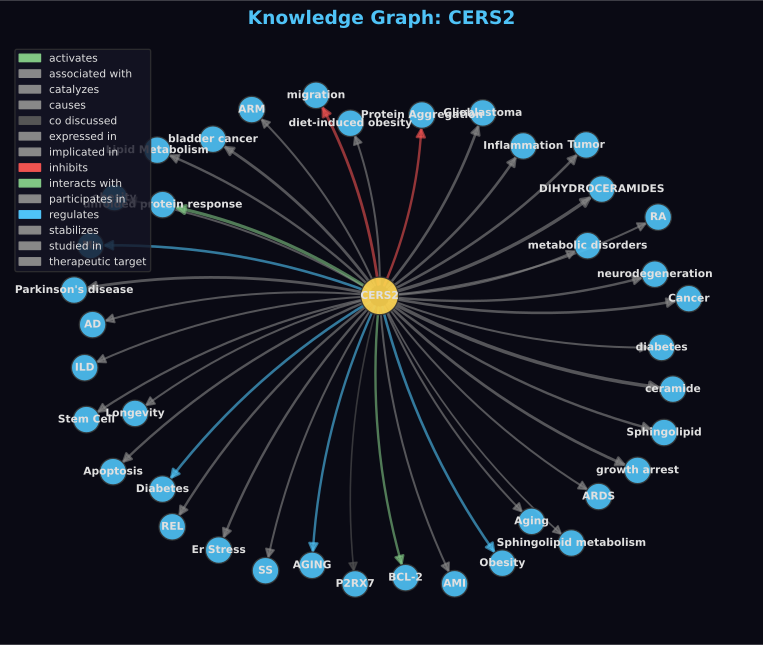
    EPHB4_8["EPHB4"] -->|co discussed| CERS2["CERS2"]
    CERS2_9["CERS2"] -->|co discussed| EPHB4_10["EPHB4"]
    EPHB4_11["EPHB4"] -->|co discussed| NTN1_12["NTN1"]
    C1QA_13["C1QA"] -->|co discussed| EPHB4_14["EPHB4"]
    SMPD1_15["SMPD1"] -->|co discussed| EPHB4_16["EPHB4"]
    EPHB4_17["EPHB4"] -->|co discussed| HSPG2_18["HSPG2"]
    EPHB4_19["EPHB4"] -->|co discussed| P2RX7_20["P2RX7"]
    style EPHB4 fill:#ce93d8,stroke:#333,color:#000
    style neurodegeneration fill:#ef5350,stroke:#333,color:#000
    style NTN1 fill:#ce93d8,stroke:#333,color:#000
    style EPHB4_1 fill:#ce93d8,stroke:#333,color:#000
    style HSPG2 fill:#ce93d8,stroke:#333,color:#000
    style EPHB4_2 fill:#ce93d8,stroke:#333,color:#000
    style P2RY12 fill:#ce93d8,stroke:#333,color:#000
    style EPHB4_3 fill:#ce93d8,stroke:#333,color:#000
    style P2RX7 fill:#ce93d8,stroke:#333,color:#000
    style EPHB4_4 fill:#ce93d8,stroke:#333,color:#000
    style AQP4 fill:#ce93d8,stroke:#333,color:#000
    style EPHB4_5 fill:#ce93d8,stroke:#333,color:#000
    style EPHB4_6 fill:#ce93d8,stroke:#333,color:#000
    style SMPD1 fill:#ce93d8,stroke:#333,color:#000
    style EPHB4_7 fill:#ce93d8,stroke:#333,color:#000
    style C1QA fill:#ce93d8,stroke:#333,color:#000
    style EPHB4_8 fill:#ce93d8,stroke:#333,color:#000
    style CERS2 fill:#ce93d8,stroke:#333,color:#000
    style CERS2_9 fill:#ce93d8,stroke:#333,color:#000
    style EPHB4_10 fill:#ce93d8,stroke:#333,color:#000
    style EPHB4_11 fill:#ce93d8,stroke:#333,color:#000
    style NTN1_12 fill:#ce93d8,stroke:#333,color:#000
    style C1QA_13 fill:#ce93d8,stroke:#333,color:#000
    style EPHB4_14 fill:#ce93d8,stroke:#333,color:#000
    style SMPD1_15 fill:#ce93d8,stroke:#333,color:#000
    style EPHB4_16 fill:#ce93d8,stroke:#333,color:#000
    style EPHB4_17 fill:#ce93d8,stroke:#333,color:#000
    style HSPG2_18 fill:#ce93d8,stroke:#333,color:#000
    style EPHB4_19 fill:#ce93d8,stroke:#333,color:#000
    style P2RX7_20 fill:#ce93d8,stroke:#333,color:#000
3D Protein Structure
🧬 EPHB4 — PDB 2HLE Click to expand 3D viewer
Source Analysis
4R-tau strain-specific spreading patterns in PSP vs CBD
neurodegeneration | 2026-04-01 | completed