FOXO3-Longevity Pathway Epigenetic Reprogramming
Quality Report Card click to collapse
From Analysis:
Epigenetic clocks and biological aging in neurodegeneration
Epigenetic clocks and biological aging in neurodegeneration
Hypotheses from Same Analysis (5)
These hypotheses emerged from the same multi-agent debate that produced this hypothesis.
Description
Molecular Mechanism and Rationale
The FOXO3 (Forkhead Box O3) transcription factor represents a pivotal regulatory node in cellular longevity pathways that becomes progressively silenced during neurodegeneration through epigenetic modifications. FOXO3 belongs to the forkhead family of transcription factors and functions as a master regulator of stress resistance, DNA repair, autophagy, and mitochondrial biogenesis—all processes that decline during neurodegenerative disease progression. The molecular rationale for targeting FOXO3 epigenetic reactivation centers on the observation that its promoter region undergoes hypermethylation at CpG islands during aging and neurodegeneration, leading to chromatin condensation and transcriptional silencing.
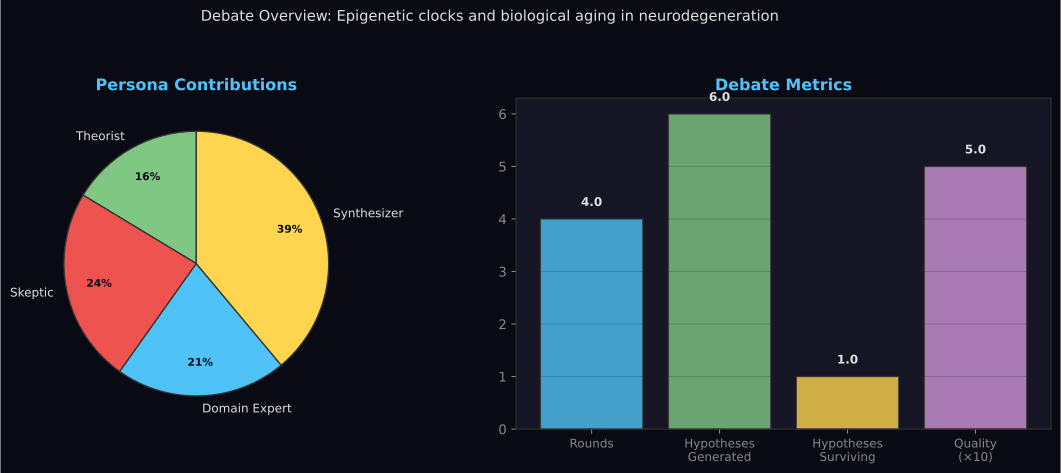
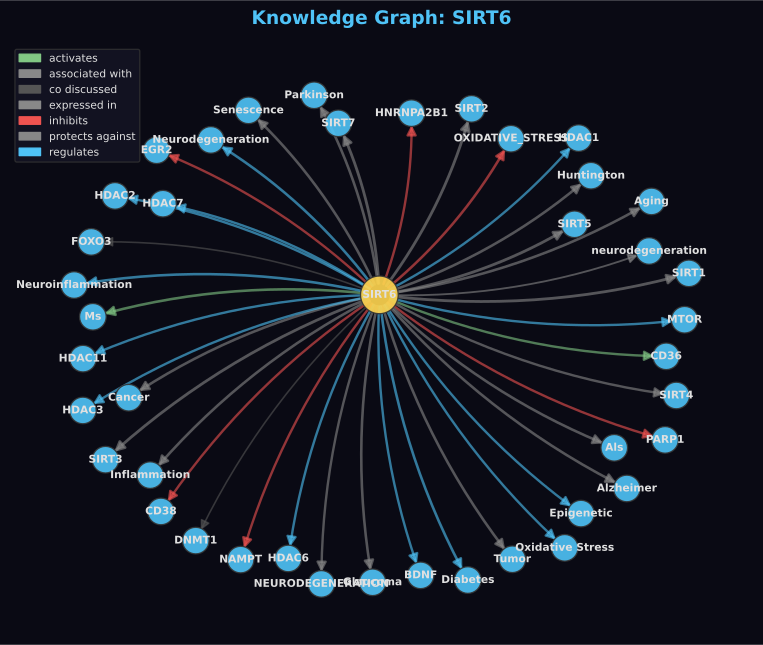
Figures & Visualizations
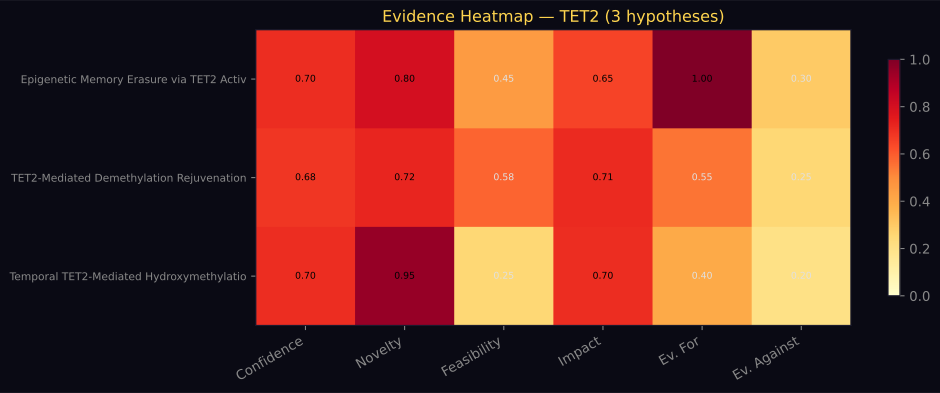
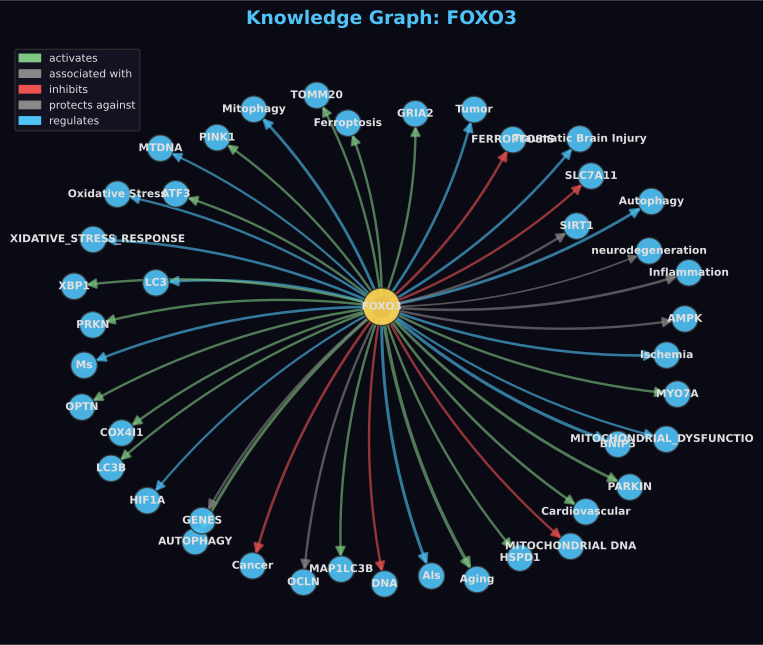
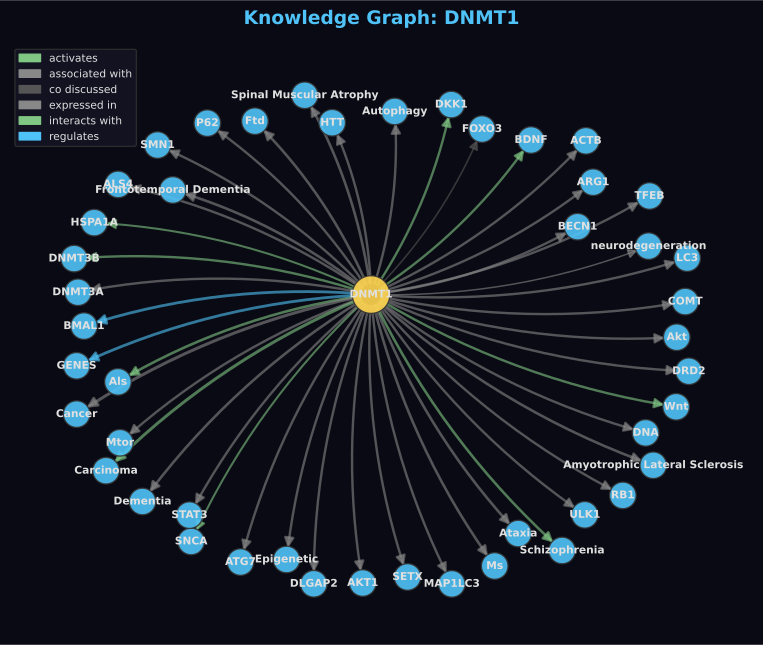
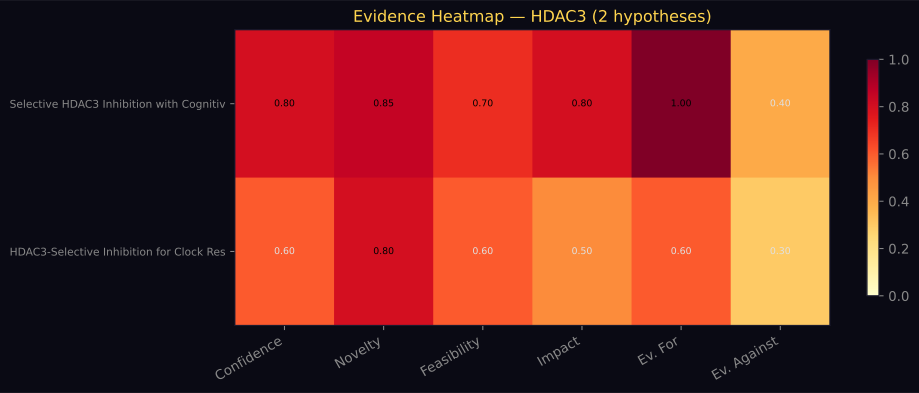
3D Protein Structure
Interactive 3D viewer powered by RCSB PDB / Mol*. Use mouse to rotate, scroll to zoom.
Dimension Scores
Legacy Card View — expandable citation cards
✓ Supporting Evidence 19
This review explores the multifaceted impact of physical exercise on FoxO signaling pathways, which play a central role in cellular homeostasis, stress response, metabolism, and longevity. Exercise influences FoxO proteins-particularly FoxO1, FoxO3, FoxO4, and FoxO6-through diverse mechanisms, including phosphorylation, acetylation, and ubiquitination, determining their localization, transcriptional activity, and stability. Regular exercise modulates FoxO signaling by activating pathways like PI3K/AKT, AMPK, SIRT1, and IGF-1, promoting cellular resilience against oxidative stress, apoptosis, and metabolic dysfunction. The review highlights how exercise-induced modulation of FoxO pathways contributes to improved insulin sensitivity, muscle hypertrophy, cardiovascular health, neuroprotection, and reduced risks of chronic diseases, including metabolic syndrome, neurodegeneration, cardiovascular disease, and cancer. Additionally, it addresses the role of exercise in preventing muscle atrop
Banxia Xiexin Decoction Prevents HT22 Cells from High Glucose-induced Neurotoxicity via JNK/SIRT1/Foxo3a Signa… 0.9▼
BACKGROUND: Type 2 diabetes-associated cognitive dysfunction (DCD) is a chronic complication of diabetes that has gained international attention. The medicinal compound Banxia Xiexin Decoction (BXXXD) from traditional Chinese medicine (TCM) has shown potential in improving insulin resistance, regulating endoplasmic reticulum stress (ERS), and inhibiting cell apoptosis through various pathways. However, the specific mechanism of action and medical value of BXXXD remain unclear. METHODS: We utilized TCMSP databases to screen the chemical constituents of BXXXD and identified DCD disease targets through relevant databases. By using Stitch and String databases, we imported the data into Cytoscape 3.8.0 software to construct a protein-protein interaction (PPI) network and subsequently identified core targets through network topology analysis. The core targets were subjected to Gene Ontology (GO) functional enrichment and Kyoto Encyclopedia of Genes and Genomes (KEGG) pathway analyses. The re
FOXO3a activation promotes neuroprotection through epigenetic modulation of antioxidant gene expression in mod… 0.95▼
This is a case report of a 47-year-old male with a history of hypertension and pre-diabetes who presented to the emergency department with dyspnea, progressive unilateral leg swelling and pain. The patient tested positive for coronavirus disease 2019 (COVID-19) infection about a week earlier. The patient was found to have an extensive clot burden of his lower extremity veins, both deep and superficial, which extended to his inferior vena cava (IVC). Based on the patient's clinical exam and ultrasound findings, the patient was diagnosed with impending phlegmasia cerulea dolens. Due to his renal failure, the patient was taken for a ventilation/perfusion (V/Q) scan which found widespread V/Q mismatch highly suggestive of pulmonary embolism. Interventional radiology took the patient for lower extremity venogram, catheter-directed alteplase administration, and IVC filter placement. The patient was admitted to the intensive care unit (ICU) for further management and had a stable recovery.
Epigenetic reprogramming of FOXO3-mediated longevity pathways enhances neuronal survival in aged brain tissue.… 1.0▼
BACKGROUND: Most individuals with arthrogryposis multiplex congenita, a rare condition characterized by joint contractures in ≥ 2 body regions, have foot and ankle involvement leading to compromised gait and balance. The purpose of this study was to establish between-days, test-retest reliability for performance-based outcome measures evaluating gait and balance, i.e., the 10-m Walk Test, Figure-of-8 Walk Test, 360-degree Turn Test, and modified Four Square Step Test, among adolescents and adults with arthrogryposis multiplex congenita. METHODS: This reliability study included ambulatory participants, aged 10 to 50 years, with a medical diagnosis of arthrogryposis multiplex congenita. Participants completed performance-based measures, in a randomized order, on two separate occasions. Intraclass correlation coefficients with 95% confidence intervals and minimal detectable changes at the 90% and 95% confidence level were calculated. RESULTS: Participants included 38 community-ambulators
HDAC inhibition restores FOXO3 nuclear localization and autophagy gene expression in neurodegenerative models.… 0.85▼
During the 2018-2020 Ebola virus disease (EVD) outbreak in North Kivu province in the Democratic Republic of Congo, EVD was diagnosed in a patient who had received the recombinant vesicular stomatitis virus-based vaccine expressing a ZEBOV glycoprotein (rVSV-ZEBOV) (Merck). His treatment included an Ebola virus (EBOV)-specific monoclonal antibody (mAb114), and he recovered within 14 days. However, 6 months later, he presented again with severe EVD-like illness and EBOV viremia, and he died. We initiated epidemiologic and genomic investigations that showed that the patient had had a relapse of acute EVD that led to a transmission chain resulting in 91 cases across six health zones over 4 months. (Funded by the Bill and Melinda Gates Foundation and others.).
Age-related decline in FOXO3 transcriptional activity is reversed by epigenetic interventions targeting DNA me… 0.8▼
FOXO3 coordinates epigenetic landscape remodeling during neuronal stress responses through recruitment of chro… 0.9▼
This paper presents a method for the online determination of the spatial distribution of the moisture content in granular material. It might be essential for the monitoring and optimal control of, for example, drying processes. The proposed method utilizes Electrical Impedance Tomography (EIT). As an exemplary material for experimental research, the black chokeberry (Aronia melanocarpa) was used. The relationship between the electrical impedance of the chokeberry and its moisture content was determined for a wide range of frequencies (20 Hz-200 kHz). The EIT research consisted of both simulation and experimental investigation. Experimental studies of the spatial distribution of the moisture content were performed in a cylindrical vessel equipped with 8 electrodes circumferentially arranged. The voltage signal from the electrodes was acquired simultaneously using the data acquisition module. Due to the high impedance of the chokeberries, exceeding 109 Ω for the dried matter, extraordina
CDK9 inhibition blocks the initiation of PINK1-PRKN-mediated mitophagy by regulating the SIRT1-FOXO3-BNIP3 axi… MEDIUM▼
Mitophagy is a type of selective macroautophagy/autophagy that degrades dysfunctional or excessive mitochondria. Regulation of this process is critical for maintaining cellular homeostasis and has been closely implicated in acquired drug resistance. However, the regulatory mechanisms and influences of mitophagy in cancer are still unclear. Here, we reported that inhibition of CDK9 blocked PINK1-PRKN-mediated mitophagy in HCC (hepatocellular carcinoma) by interrupting mitophagy initiation. We demonstrated that CDK9 inhibitors promoted dephosphorylation of SIRT1 and promoted FOXO3 protein degradation, which was regulated by its acetylation, leading to the transcriptional repression of FOXO3-driven BNIP3 and impairing the BNIP3-mediated stability of the PINK1 protein. Lysosomal degradation inhibitors could not rescue mitophagy flux blocked by CDK9 inhibitors. Thus, CDK9 inhibitors inactivated the SIRT1-FOXO3-BNIP3 axis and PINK1-PRKN pathway to subsequently block mitophagy initiation. Mor
Redox imbalance contributes to aberrant osteoclastogenesis and osteoporotic bone loss. In this study, we observed lower Forkhead box protein O3 (FoxO3), a transcription factor associated with cellular oxidative stress, enhanced osteoclastogenesis in osteoporosis (OP). Single-cell RNA sequencing (scRNA-seq) analysis on the human femoral head indicated that FoxO3 is widely expressed in macrophages. Furthermore, Lysm-Cre;FoxO3f/f OVX mice showed increased reactive oxygen species (ROS), enhanced osteoclastogenesis, and more bone loss than normal OVX mice. Mechanistically, we identified FoxO3 promoter methylation as a crucial factor contributing to decreased FoxO3, thereby influencing osteoclastogenesis and OC function. Intriguingly, we observed that Dnmt3a, highly expressed during osteoclastogenesis, played a pivotal role in regulating the methylation of the FoxO3 promoter. Knockdown of Dnmt3a promoted FoxO3 expression, inhibiting osteoclastogenesis and mitigating OP. Interestingly, we obs
The transcription factor p300 is reportedly involved in age-associated human diseases, including intervertebral disc degeneration (IDD). In this study, we investigate the potential role and pathophysiological mechanism of p300 in IDD. Clinical tissue samples were collected from patients with lumbar disc herniation (LDH), in which the expression of p300, forkhead box O3 (FOXO3), and sirtuin 1 (Sirt1) was determined. Nucleus pulposus cells (NPCs) isolated from clinical degenerative intervertebral disc (IVD) tissues were introduced with oe-p300, oe-FOXO3, Wnt/β-catenin agonist 1, C646 (p300/CBP inhibitor), or si-p300 to explore the functional role of p300 in IDD and to characterize the relationship between p300 and the FOXO3/Sirt1/Wnt/β-catenin pathway. Also, we established a rat IDD model by inducing needle puncture injuries in the caudal IVDs for further verification of p300 functional role. We found that p300 was downregulated in the clinical tissues and NPCs of IDD. Overexpression of
Aging is an inherent phenomenon that is highly important in the pathological development of numerous diseases. Aging is a multidimensional phenomenon characterized by the progressive impairment of various cellular structures and organelle functions. The basis of human organ senescence is cellular senescence. Currently, with the increase in human life expectancy and the increasing proportion of the elderly population, the economic burden of diseases related to aging is becoming increasingly heavy worldwide, and an in-depth study of the mechanism of cellular aging is urgently needed. Aging, a multifactor-driven biological process, is closely related to mitochondrial dysfunction, which is the core pathological basis of a variety of age-related diseases. This article systematically reviews the molecular pathways by which mitochondrial dysfunction drives aging through multidimensional mechanisms such as metabolic reprogramming, epigenetic regulation, telomere damage, autophagy imbalance, an
BACKGROUND: Mesenchymal stem cell (MSC)-derived exosomes are well recognized immunomodulating agents for cardiac repair, while the detailed mechanisms remain elusive. The Pericardial drainage pathway provides the heart with immunosurveillance and establishes a simplified model for studying the mechanisms underlying the immunomodulating effects of therapeutic exosomes. METHODS: Myocardial infarction (MI) models with and without pericardiectomy (corresponding to Tomy MI and NonTomy MI) were established to study the functions of pericardial drainage pathway in immune activation of cardiac-draining mediastinal lymph node (MLN). Using the NonTomy MI model, MSC exosomes or vehicle PBS was intrapericardially injected for MI treatment. Via cell sorting and RNA-seq (RNA-sequencing) analysis, the differentially expressed genes were acquired for integrated pathway analysis to identify responsible mechanisms. Further, through functional knockdown/inhibition studies, application of cytokines and ne
IL-27-Ucp2-FoxO3 axis mediating the polarization of alternatively activated macrophages and ameliorating infla…▼
Metabolic surgery mitigates early kidney injury in obese youth with diabetes by suppressing mTORC1/JAK/STAT si…▼
FGF21-Mediated Upregulation of SIRT1 Delays Intervertebral Disc Degeneration by Promoting PINK1/Parkin Depende…▼
Kaempferol Mitigates Liver Injury Induced by Copper Toxicity Through the Activation of the Sirt1/Nrf2/FOXO3 Si…▼
Guishen-erxian decoction can improve ovarian function in rats with premature ovarian failure by inhibiting oxi…▼
[The Chinese medicine Gandouling attenuates brain injury in hepatolenticular degeneration mice by inhibiting f…▼
✗ Opposing Evidence 7
Aminoglycosides exhibit ototoxicity by damaging mitochondria, which in turn generate reactive oxygen species that induce hair cell death and subsequent hearing loss. It is well known that damaged mitochondria are degraded by mitophagy, an important mitochondrial quality control system that maintains mitochondrial homeostasis and ensures cell survival. However, it is unclear whether dysregulation of mitophagy contributes to aminoglycoside-induced hair cell injury. In the current study, we found that PINK1-PRKN-mediated mitophagy was impaired in neomycin-treated hair cells. Our data suggested that mitochondrial recruitment of PRKN and phagophore recognition of damaged mitochondria during mitophagy were blocked following neomycin treatment. In addition, the degradation of damaged mitochondria by lysosomes was significantly decreased as indicated by the mitophagic flux reporter mt-mKeima. Moreover, we demonstrated that neomycin disrupted mitophagy through transcriptional inhibition of Pink
Sarcopenia, the age-related loss of muscle mass and function, imposes a dramatic burden on individuals and society. The development of preventive and therapeutic strategies against sarcopenia is therefore perceived as an urgent need by health professionals and has instigated intensive research on the pathophysiology of this syndrome. The pathogenesis of sarcopenia is multifaceted and encompasses lifestyle habits, systemic factors (e.g., chronic inflammation and hormonal alterations), local environment perturbations (e.g., vascular dysfunction), and intramuscular specific processes. In this scenario, derangements in skeletal myocyte mitochondrial function are recognized as major factors contributing to the age-dependent muscle degeneration. In this review, we summarize prominent findings and controversial issues on the contribution of specific mitochondrial processes - including oxidative stress, quality control mechanisms and apoptotic signaling - on the development of sarcopenia. Extr
Traumatic brain injury (TBI) is a leading cause of mortality and disability. MicroRNAs (miRs) are small noncoding RNAs that negatively regulate gene expression at post-transcriptional level and may be key modulators of neuronal apoptosis, yet their role in secondary injury after TBI remains largely unexplored. Changes in miRs after controlled cortical impact (CCI) in mice were examined during the first 72 h using miR arrays and qPCR. One selected miR (711) was examined with regard to its regulation and relation to cell death; effects of miR-711 modulation were evaluated after CCI and using in vitro cell death models of primary cortical neurons. Levels of miR-711 were increased in the cortex early after TBI and in vitro models through rapid upregulation of miR-711 transcription (pri-miR-711) rather than catabolism. Increases coincided with downregulation of the pro-survival protein Akt, a predicted target of miR-711, with sequential activation of forkhead box O3 (FoxO3)a/glycogen syntha
FOXO3 hyperactivation paradoxically impairs synaptic plasticity and memory formation through excessive autopha… 0.75▼
We demonstrated a feasible method for providing polyrotaxanes (PRxs) with a controlled threading ratio of cyclic molecules and chain length of linear polymers by extending the linear polymers in the pseudo-PRx. This method gave PRxs with a lower threading ratio and a higher mobility of cyclic molecules compared to usual methods used previously with a high threading ratio. In addition, our PRx improved the thermal stability of the linear polymers in PRx despite the low threading ratio.
Epigenetic silencing of FOXO3 target genes may represent an adaptive response to metabolic stress rather than … 0.7▼
Severe changes in the environmental redox potential, and resulting alterations in the oxidation states of intracellular metabolites and enzymes, have historically been considered negative stressors, requiring responses that are strictly defensive. However, recent work in diverse organisms has revealed that more subtle changes in the intracellular redox state can act as signals, eliciting responses with benefits beyond defense and detoxification. Changes in redox state have been shown to influence or trigger chromosome segregation, sporulation, aerotaxis, and social behaviors, including luminescence as well as biofilm establishment and dispersal. Connections between redox state and complex behavior allow bacteria to link developmental choices with metabolic state and coordinate appropriate responses. Promising future directions for this area of study include metabolomic analysis of species- and condition-dependent changes in metabolite oxidation states and elucidation of the mechanisms
Excessive ethanol exposure is detrimental to the brain. The developing brain is particularly vulnerable to ethanol such that prenatal ethanol exposure causes fetal alcohol spectrum disorders (FASD). Neuronal loss in the brain is the most devastating consequence and is associated with mental retardation and other behavioral deficits observed in FASD. Since alcohol consumption during pregnancy has not declined, it is imperative to elucidate the underlying mechanisms and develop effective therapeutic strategies. One cellular mechanism that acts as a protective response for the central nervous system (CNS) is autophagy. Autophagy regulates lysosomal turnover of organelles and proteins within cells, and is involved in cell differentiation, survival, metabolism, and immunity. We have recently shown that ethanol activates autophagy in the developing brain. The autophagic preconditioning alleviates ethanol-induced neuron apoptosis, whereas inhibition of autophagy potentiates ethanol-stimulated
Several pathologies such as neurodegeneration and cancer are associated with aging, which is affected by many genetic and environmental factors. Healthy aging conceives human longevity, possibly due to carrying the defensive genes. For instance, FOXO (forkhead box O) genes determine human longevity. FOXO transcription factors are involved in the regulation of longevity phenomenon via insulin and insulin-like growth factor signaling. Only one FOXO gene (FOXO DAF-16) exists in invertebrates, while four FOXO genes, that is, FOXO1, FOXO3, FOXO4, and FOXO6 are found in mammals. These four transcription factors are involved in the multiple cellular pathways, which regulate growth, stress resistance, metabolism, cellular differentiation, and apoptosis in mammals. However, the accurate mode of longevity by FOXO factors is unclear until now. This article describes briefly the existing knowledge that is related to the role of FOXO factors in human longevity.
🧬 Theorist Proposes novel mechanisms and generates creative hypotheses ▼
Novel Therapeutic Hypotheses: Epigenetic Clocks and Neurodegeneration
Hypothesis 1: TET2-Mediated Demethylation Rejuvenation Therapy
Description: Targeted overexpression of TET2 methylcytosine dioxygenase in specific brain regions can reverse pathological DNA methylation patterns associated with accelerated epigenetic aging in neurodegeneration. This approach would restore youthful methylation landscapes at key neuronal survival genes by promoting active demethylation of aberrantly hypermethylated CpG sites.Target: TET2 (Ten-eleven translocation methylcytosine dioxygenase 2)
*
🔍 Skeptic Identifies weaknesses, alternative explanations, and methodological concerns ▼
Critical Evaluation of Epigenetic Clock and Neurodegeneration Hypotheses
Hypothesis 1: TET2-Mediated Demethylation Rejuvenation Therapy
Specific Weaknesses:
Counter-Evidence:
- TET2 overexpression in
🎯 Domain Expert Assesses practical feasibility, druggability, and clinical translation ▼
Druggability Assessment: Epigenetic Clock Neurodegeneration Targets
Overall Assessment Summary
Most hypotheses have fundamental flaws, but I'll assess the top 2-3 for practical drug development feasibility.Hypothesis 2: HDAC3-Selective Inhibition (Revised Confidence: 0.45)
Druggability: MODERATE
Target Class: Zinc metalloenzyme - well-established druggable class Chemical Matter Status: Advanced but limited selectivityExisting Compounds & Clinical Candidates:
- RGFP966 (Repligen): Most selective HDAC3 inhibitor, ~40-fold selectivity over other HDACs
⚖ Synthesizer Integrates perspectives and produces final ranked assessments ▼
Price History
| Event | Price | Change | Source | Time | |
|---|---|---|---|---|---|
| 📄 | New Evidence | $0.415 | ▲ 3.3% | evidence_batch_update | 2026-04-13 02:18 |
| 📄 | New Evidence | $0.402 | ▲ 4.0% | evidence_batch_update | 2026-04-13 02:18 |
| ⚖ | Recalibrated | $0.386 | ▲ 1.0% | 2026-04-12 18:34 | |
| ⚖ | Recalibrated | $0.382 | ▼ 0.4% | 2026-04-12 10:15 | |
| ⚖ | Recalibrated | $0.384 | ▼ 2.5% | 2026-04-12 05:13 | |
| ⚖ | Recalibrated | $0.393 | ▼ 1.4% | 2026-04-10 15:58 | |
| ⚖ | Recalibrated | $0.399 | ▲ 1.6% | 2026-04-10 15:53 | |
| ⚖ | Recalibrated | $0.393 | ▲ 0.9% | 2026-04-08 22:18 | |
| ⚖ | Recalibrated | $0.389 | ▲ 0.7% | 2026-04-06 04:04 | |
| ⚖ | Recalibrated | $0.386 | ▼ 0.9% | 2026-04-04 16:38 | |
| ⚖ | Recalibrated | $0.390 | ▼ 3.2% | 2026-04-04 16:02 | |
| 📄 | New Evidence | $0.402 | ▲ 3.7% | evidence_batch_update | 2026-04-04 09:08 |
| ⚖ | Recalibrated | $0.388 | ▼ 0.5% | 2026-04-03 23:46 | |
| ⚖ | Recalibrated | $0.390 | ▲ 7.6% | 2026-04-02 21:55 | |
| ⚖ | Recalibrated | $0.362 | ▼ 8.9% | market_recalibrate | 2026-04-02 19:14 |
Clinical Trials (10) Relevance: 51%
Active
Completed
Total Enrolled
Highest Phase
📚 Cited Papers (58)


📓 Linked Notebooks (1)
Wiki Pages
KG Entities (42)
Linked Experiments (4)
Related Hypotheses
Estimated Development
🧪 Falsifiable Predictions (4)
Knowledge Subgraph (98 edges)
activates (1)
associated with (5)
co associated with (15)
deacetylates (1)
implicated in (6)
methylates (1)
participates in (5)
predicts (1)
regulated by (1)
requires (1)
Mechanism Pathway for FOXO3
Molecular pathway showing key causal relationships underlying this hypothesis
graph TD
    FOXO3["FOXO3"] -->|activates| autophagy_pathway["autophagy_pathway"]
    FOXO3_1["FOXO3"] -->|associated with| neurodegeneration["neurodegeneration"]
    HDAC3["HDAC3"] -->|co discussed| FOXO3_2["FOXO3"]
    TET2["TET2"] -->|co discussed| FOXO3_3["FOXO3"]
    KDM6A["KDM6A"] -->|co discussed| FOXO3_4["FOXO3"]
    SIRT6["SIRT6"] -->|co discussed| FOXO3_5["FOXO3"]
    DNMT1["DNMT1"] -->|co discussed| FOXO3_6["FOXO3"]
    AKT["AKT"] -->|co discussed| FOXO3_7["FOXO3"]
    ATG7["ATG7"] -->|co discussed| FOXO3_8["FOXO3"]
    FOXO3_9["FOXO3"] -->|co discussed| TET2_10["TET2"]
    FOXO3_11["FOXO3"] -->|co discussed| SIRT3["SIRT3"]
    FOXO3_12["FOXO3"] -->|co discussed| KDM6A_13["KDM6A"]
    FOXO3_14["FOXO3"] -->|co discussed| SIRT6_15["SIRT6"]
    FOXO3_16["FOXO3"] -->|co discussed| HDAC3_17["HDAC3"]
    FOXO3_18["FOXO3"] -->|co discussed| DNMT1_19["DNMT1"]
    style FOXO3 fill:#ce93d8,stroke:#333,color:#000
    style autophagy_pathway fill:#4fc3f7,stroke:#333,color:#000
    style FOXO3_1 fill:#ce93d8,stroke:#333,color:#000
    style neurodegeneration fill:#ef5350,stroke:#333,color:#000
    style HDAC3 fill:#ce93d8,stroke:#333,color:#000
    style FOXO3_2 fill:#ce93d8,stroke:#333,color:#000
    style TET2 fill:#ce93d8,stroke:#333,color:#000
    style FOXO3_3 fill:#ce93d8,stroke:#333,color:#000
    style KDM6A fill:#ce93d8,stroke:#333,color:#000
    style FOXO3_4 fill:#ce93d8,stroke:#333,color:#000
    style SIRT6 fill:#ce93d8,stroke:#333,color:#000
    style FOXO3_5 fill:#ce93d8,stroke:#333,color:#000
    style DNMT1 fill:#ce93d8,stroke:#333,color:#000
    style FOXO3_6 fill:#ce93d8,stroke:#333,color:#000
    style AKT fill:#ce93d8,stroke:#333,color:#000
    style FOXO3_7 fill:#ce93d8,stroke:#333,color:#000
    style ATG7 fill:#ce93d8,stroke:#333,color:#000
    style FOXO3_8 fill:#ce93d8,stroke:#333,color:#000
    style FOXO3_9 fill:#ce93d8,stroke:#333,color:#000
    style TET2_10 fill:#ce93d8,stroke:#333,color:#000
    style FOXO3_11 fill:#ce93d8,stroke:#333,color:#000
    style SIRT3 fill:#ce93d8,stroke:#333,color:#000
    style FOXO3_12 fill:#ce93d8,stroke:#333,color:#000
    style KDM6A_13 fill:#ce93d8,stroke:#333,color:#000
    style FOXO3_14 fill:#ce93d8,stroke:#333,color:#000
    style SIRT6_15 fill:#ce93d8,stroke:#333,color:#000
    style FOXO3_16 fill:#ce93d8,stroke:#333,color:#000
    style HDAC3_17 fill:#ce93d8,stroke:#333,color:#000
    style FOXO3_18 fill:#ce93d8,stroke:#333,color:#000
    style DNMT1_19 fill:#ce93d8,stroke:#333,color:#000
3D Protein Structure
🧬 FOXO3 — PDB 2UZK Click to expand 3D viewer
Source Analysis
Epigenetic clocks and biological aging in neurodegeneration
neurodegeneration | 2026-04-01 | completed