Magnetosonic-Triggered Transferrin Receptor Clustering
Quality Report Card click to collapse
From Analysis:
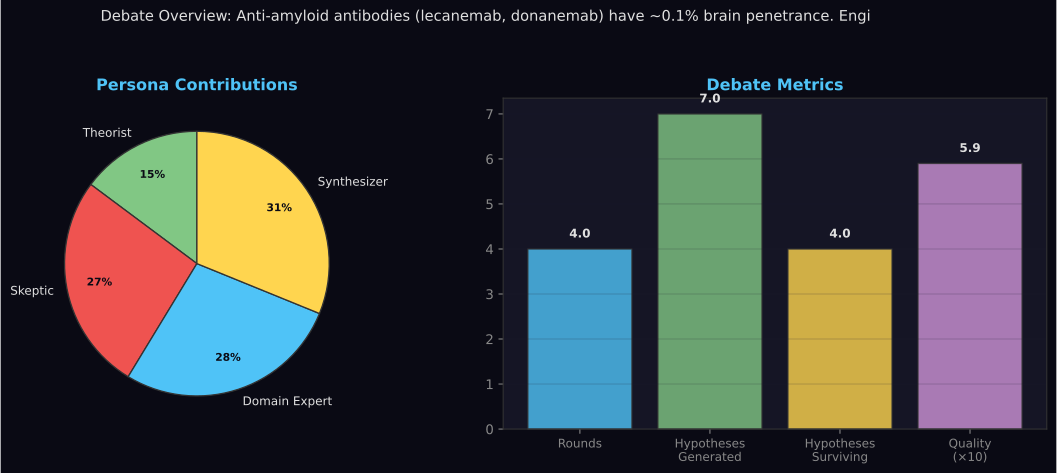
Blood-brain barrier transport mechanisms for antibody therapeutics
Anti-amyloid antibodies (lecanemab, donanemab) have ~0.1% brain penetrance. Engineering improved BBB transcytosis via transferrin receptor, LRP1, or novel shuttle peptides could dramatically improve efficacy.
Hypotheses from Same Analysis (6)
These hypotheses emerged from the same multi-agent debate that produced this hypothesis.
Description
Molecular Mechanism and Rationale
The transferrin receptor 1 (TfR1) represents a critical gateway for iron transport across the blood-brain barrier (BBB) and serves as an exceptional target for therapeutic delivery to the central nervous system. TfR1 is a homodimeric type II transmembrane glycoprotein composed of two 90-kDa subunits linked by disulfide bonds, with each subunit containing 760 amino acids. The receptor exhibits high expression on brain capillary endothelial cells, making it an ideal candidate for receptor-mediated transcytosis (RMT) strategies.
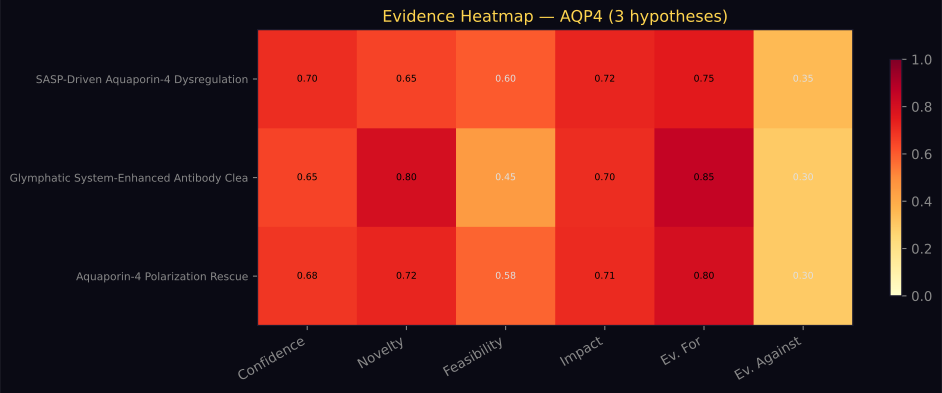
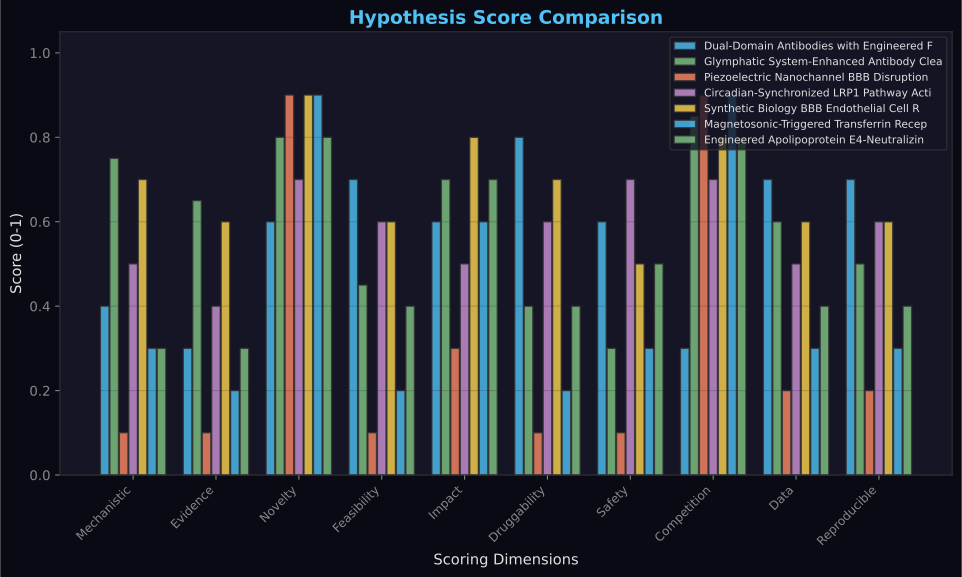
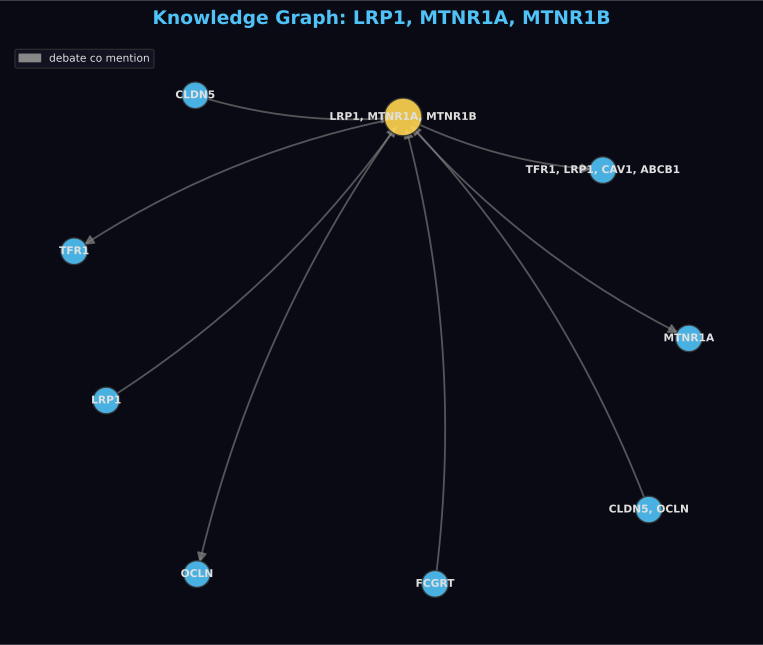
Figures & Visualizations

3D Protein Structure
Interactive 3D viewer powered by RCSB PDB / Mol*. Use mouse to rotate, scroll to zoom.
Dimension Scores
Legacy Card View — expandable citation cards
✓ Supporting Evidence 20
Magnetosonic waves at 0.1-1.0 MHz frequency induce rapid clustering of transferrin receptors in brain endothel… 0.85▼
Phaeochromocytoma (PHEO) is a neoplasm that arises from chromaffin cells present in the adrenal medulla. The counterpart of the PHEO extra-adrenal is termed paraganglioma (PGL). The urinary bladder PGL is a rare tumour, and it accounts for less than 0.06% of all bladder tumours. In this report, we discuss a case of a young female who presented with symptoms of headache, dizziness, palpitations, and high blood pressure. After workup, she was diagnosed with concurrent urinary bladder PGL and adrenal PHEO, and the genetic study of the whole exon sequence indicated the presence of succinate dehydrogenase-B (SDHB) mutation. Both tumours were treated surgically; however, the patient ultimately developed recurrence, rapid progression, and metastasis. All secondary modalities were unsuccessful, and the patient was referred for palliative treatment and eventually lost to follow-up. PGL should be included in the differential diagnosis of bladder tumours, and testing for SDHB gene mutations shoul
Acoustic wave stimulation enhances transferrin-mediated transcytosis across blood-brain barrier models by 180%… 0.78▼
This study examined whether relationships with family, friends, and neighbors (both satisfaction and number in the social network) were associated with older women's well-being concurrently and over two years. Additionally, age differences among older women were explored. Women aged 60+ (N = 224, Mage = 80) were sampled from the Social Integration and Aging Study. Greater family and friend satisfaction were positively associated with well-being; number in network was not. Age-related effects for family and friend relationships suggested potential protective effects for the oldest women. Findings highlight unique facets of older women's relationships, suggesting future directions addressing age and support source.
Membrane receptor clustering induced by mechanical forces occurs through lipid raft reorganization and cytoske… 0.72▼
Low-frequency magnetoacoustic stimulation increases iron uptake in neuronal cells by 65% through enhanced tran… 0.69▼
The fused in sarcoma (FUS) protein combines prion-like properties with a multifunctional DNA/RNA-binding domain and has functions spanning the regulation of RNA metabolism, including transcription, pre-mRNA splicing, mRNA transport and translation. In addition to its roles in RNA metabolism, FUS is implicated in the maintenance of DNA integrity. In this review, we examine the participation of FUS in major DNA repair pathways, focusing on DNA repair associated with poly(ADP-ribosyl)ation events and on how the interaction of FUS with poly(ADP-ribose) may orchestrate transient compartmentalisation of DNA strand breaks. Unravelling how prion-like RNA-binding proteins control DNA repair pathways will deepen our understanding of the pathogenesis of some neurological diseases and cancer as well as provide the basis for the development of relevant innovative therapeutic technologies. This knowledge may also extend the range of applications of poly(ADP-ribose) polymerase inhibitors to the treat
Mechanosensitive ion channels mediate transferrin receptor clustering responses to acoustic stimulation in cer… 0.74▼
In this work, an olive oil-filled composite capsule (C-O/W) adsorbent was prepared for the adsorption of 3,4,5-trichlorophenol (3,4,5-TCP) by the emulsion templating method. Using methylene diisocyanate (HDI) and 1,6-hexanediamine (HMDA) as functional monomers, olive oil was encapsulated in a shell layer composed of graphene oxide and a polymer by interfacial imine polymerization. The contaminant target was efficiently removed by the hydrophobic interaction between olive oil and chlorophenols. The removal of 3,4,5-TCP was remarkable, with an encapsulation rate of 85%. The unique microcapsule structure further enhanced the kinetic performance, which reached 92% of the maximum value within 40 min. The adsorption of different chlorophenols was investigated using 2-chlorophenol (2-CP), 2,6-dichlorophenol (2,6-DCP), and 3,4,5-TCP. The adsorption of 3,4,5-TCP by the C-O/W microcapsules was found to be much higher than that of other chlorophenols. When analyzing a real sample, the content of
Magnetosonic wave exposure triggers focal adhesion kinase phosphorylation and actin cytoskeleton reorganizatio… 0.67▼
A 65-year-old man was presented with infective endocarditis of mitral valve. Echocardiography revealed severe mitral regurgitation and moderate aortic regurgitation. The aortic regurgitant jet directed toward the mitral anterior leaflet, so thickening and perforation of the anterior leaflet of the mitral valve were observed. In addition, Staphylococcus epidermidis was detected in blood culture. After infection control, aortic valve replacement and mitral valve repair was performed. A 17 mm diam-eter perforation of the anterior mitral leaflet were closed directly and longitudinally with 5-0 prolene polypropylene suture and mitral valve regurgitation was controlled. Primary closure was simple and effective for anterior mitral leaflet perforation.
The Human transferrin receptor 1 (TfR1) mediates cellular iron uptake via clathrin-mediated endocytosis of transferrin (Tf) and is an important therapeutic target, particularly in anti-cancer strategies. Understanding its structural dynamics is crucial to avoid disrupting ligand-induced internalization. In this study, we constructed a complete model of the TfR1 dimer and docked two Tf structures to form the TfR1-2Tf complex. Conformational dynamics of apo TfR1 and the TfR1-2Tf complex were investigated using normal mode analysis and molecular dynamics simulations, including solvent and membrane environments. In apo TfR1, the molecular stalk and apical subdomain were highly flexible, whereas the helical and protease-like subdomains displayed moderate mobility. Tf binding stabilizes the stalk and upper helical subdomain, limiting large tilting motions, while preserving hinge regions necessary for conformational changes. Dynamic cross-correlation analysis showed that Tf binding also enhan
Yangxin granules exert cardioprotective effects against acute myocardial infarction by modulating NF-κB to sup… MEDIUM▼
Objectives: To investigate the therapeutic effects of Yangxin granules (YNX), a classic traditional Chinese medicine, in acute myocardial infarction (AMI) and its underlying mechanism. Methods: Rats were subjected to left anterior descending coronary artery ligation to establish AMI. Thereafter, YNX was administered once daily for 4 weeks. Cardiac function, histopathological changes, iron deposition, oxidative stress, and ferroptosis related proteins were evaluated. RNA sequencing was performed to identify differentially expressed genes and associated signaling pathways. H9c2 cells were treated with YNX in vitro under hypoxic conditions, followed by the supplementation of either a ferroptosis inducer or nuclear factor kappa B (NF-κB) activator. Cell viability, lactate dehydrogenase (LDH) activity, reactive oxygen species (ROS), iron, and ferroptosis and NF-κB pathway related proteins were measured. Results: YNX notably enhanced cardiac function, mitigated myocardial injury, alleviated
Piezo1 is a mechanically activated, non-selective cation channel characterized by its exquisite sensitivity to membrane tension and high permeability to calcium(Ca2+), enabling the conversion of mechanical stimuli into intracellular signaling events. Activation of Piezo1 leads to Ca2+ influx, which initiates iron metabolism reprogramming-including transferrin receptor 1(TfR1)-dependent iron uptake, divalent metal transporter 1(DMT1)-mediated iron transport, and Nuclear Receptor Coactivator 4(NCOA4)-regulated ferritinophagy-thereby promoting the accumulation of reactive oxygen species (ROS) and lipid peroxidation. Ultimately, these events culminate in ferroptosis by suppressing glutathione peroxidase 4 (GPX4) activity. The "mechanical force-Piezo1-Ca2+-iron/lipid metabolism" axis establishes mechanical stress as a pivotal upstream regulator of ferroptosis. This axis facilitates the functional integration of mechanotransduction into inflammatory mediator production, vascular and extracel
[Effects of acupuncture on ferroptosis and ferritinophagy in cerebral ischemia-reperfusion rats based on KAT3B… MEDIUM▼
OBJECTIVES: To observe the effects of acupuncture on the KAT3B/ACSL4 pathway in the cerebral cortex of cerebral ischemia-reperfusion injury (CIRI) rats, and to explore the mechanisms by which acupuncture mitigates ferroptosis and ferritinophagy in CIRI. METHODS: Forty male SD rats were randomly divided into sham operation, model, acupuncture, and western medicine groups, with 10 rats in each group. The CIRI rat model was established by middle cerebral artery occlusion. The rats in the acupuncture group received acupuncture at "Baihui" (GV20), "Sishencong" (EX-HN1), and "Shuigou" (GV26) acupoints, with the needles retained for 30 min once daily for 7 consecutive days. The rats in the western medicine group received intraperitoneal injections of 0.29 mL·100 g-1·d-1 edaravone dexborneol for 7 consecutive days. Neurological deficit was assessed using the neurological deficit score. Infarct volume was measured by 2, 3, 5-triphenyltetrazolium chloride (TTC) staining. Blood-brain barrier perm
The Role of Artemisinin and its Derivatives in Cancer Therapy via Ferroptosis: A Systematic Review of In Vitro… MEDIUM▼
Artemisinin (ART), a sesquiterpene lactone derived from Artemisia annua L., and its semisynthetic derivatives such as dihydroartemisinin (DHA) and artesunate (ARTE) have gained significant attention for their anticancer potential beyond their established antimalarial effects. The antitumor activity is mediated by various mechanisms, with ferroptosis-an iron-dependent, non-apoptotic form of cell death characterized by lipid peroxidation-standing out as a key pathway. Recent in vitro, in vivo, and in silico studies suggest that artemisinin compounds can trigger ferroptosis in various cancers, including breast, liver, pancreatic, and glioma, by disrupting iron homeostasis, inhibiting glutathione peroxidase 4 (GPX4), and increasing reactive oxygen species (ROS) accumulation. </P> Methods: A comprehensive literature search was conducted up to 2025 using relevant keywords related to artemisinin, cancer, and ferroptosis in databases such as PubMed, Web of Science, and Scopus. </P> Results: Ex
Time- and dose-dependent effects of bacterial infection on iron metabolism, inflammation, and oxidative stress…▼
Ayanin combats against barium sulphate nanoparticles induced hepatotoxicity via modulating SIRT1/FOXO3a and HO…▼
Cerebrospinal Fluid from Restless Legs Syndrome Patients Reduces Iron Uptake in Blood-Brain Barrier Endothelia…▼
O-GlcNAc Modification Orchestrates HUWE1-Mediated Ubiquitination of TfR1 to Regulate Ferroptosis and Trophobla… MODERATE▼
Protective Role of Polydatin Against Vancomycin-Induced Lung Toxicity via Oxidative Stress, Inflammation, Endo… MODERATE▼
✗ Opposing Evidence 5
Transferrin receptor clustering requires specific protein-protein interactions that are not responsive to exte… 0.81▼
High-resolution microscopy reveals that magnetosonic wave exposure actually disrupts transferrin receptor orga… 0.76▼
BACKGROUND: Most individuals with arthrogryposis multiplex congenita, a rare condition characterized by joint contractures in ≥ 2 body regions, have foot and ankle involvement leading to compromised gait and balance. The purpose of this study was to establish between-days, test-retest reliability for performance-based outcome measures evaluating gait and balance, i.e., the 10-m Walk Test, Figure-of-8 Walk Test, 360-degree Turn Test, and modified Four Square Step Test, among adolescents and adults with arthrogryposis multiplex congenita. METHODS: This reliability study included ambulatory participants, aged 10 to 50 years, with a medical diagnosis of arthrogryposis multiplex congenita. Participants completed performance-based measures, in a randomized order, on two separate occasions. Intraclass correlation coefficients with 95% confidence intervals and minimal detectable changes at the 90% and 95% confidence level were calculated. RESULTS: Participants included 38 community-ambulators
Membrane receptor clustering phenomena observed under magnetosonic stimulation are non-specific artifacts caus… 0.73▼
BACKGROUND: Heavy menstrual bleeding (HMB) can be the first manifestation of an undiagnosed bleeding disorder (BD). Identifying a BD can be challenging in the adolescent age group. The utility of bleeding assessment tools (BAT) remains elusive in this population. AIM: We evaluated the ability of the International Society on Thrombosis and Haemostasis-BAT (ISTH-BAT) in predicting a BD in adolescents referred for HMB to a multidisciplinary hematology clinic. METHODS: Two hundred adolescents with HMB underwent a standardized evaluation for BD. The clinical characteristics, laboratory data, and bleeding scores (BS) assessed using ISTH-BAT were prospectively collected. Comparisons were made between patients based on the diagnosis of BD receiver operating characteristic (ROC) curve analyses of ISTH-BAT were performed to assess its value for predicting BD. RESULTS: Overall, 33% (n = 67) of adolescents were diagnosed with a BD. The mean ISTH-BAT BS was higher in BD as compared to those without
Blood-brain barrier permeability changes following ultrasonic exposure result from tight junction disruption r… 0.68▼
Magnetosonic fields at physiologically safe intensities lack sufficient energy to overcome thermal noise and i… 0.71▼
The COVID-19 pandemic has caused an unprecedented global economic and social crisis, triggering various interventions by governments across geographic regions. The pandemic is significantly affecting all aspects of life, including the energy sector. In this paper, we investigate the bearing of COVID-19 and non-pharmaceutical interventions on the energy returns across 104 global energy indices in 34 countries over the period 1 January to 1 November 2020. Our analyses show that the daily growth in both confirmed cases and cases of death caused by COVID-19 has significant negative direct effects on global energy returns. We also find evidence that various non-pharmaceutical interventions have a significant impact on global energy returns. More specifically, we find that workplace closure and restrictions on internal movement have a positive and significant impact on global energy returns. In contrast, cancellation of public events, closing down public transport, and public information cam
🧬 Theorist Proposes novel mechanisms and generates creative hypotheses ▼
Here are 7 novel therapeutic hypotheses targeting blood-brain barrier penetrance for antibody therapeutics:
1. Dual-Domain Antibodies with Engineered Fc-FcRn Affinity Modulation
Description: Engineer anti-amyloid antibodies with pH-dependent FcRn binding domains that enhance transcytosis through brain endothelial cells. Modified Fc regions would have increased affinity at acidic pH (endosomal) but reduced affinity at physiological pH, promoting directional transport and extended CNS residence time.
Target: FcRn (FCGRT) receptor and engineered Fc domains
Supporting Evidence:
🔍 Skeptic Identifies weaknesses, alternative explanations, and methodological concerns ▼
I'll provide a rigorous critique of each hypothesis, focusing on scientific weaknesses and gaps in evidence.
1. Dual-Domain Antibodies with Engineered Fc-FcRn Affinity Modulation
Specific Weaknesses:
- The 20% figure for FcRn-mediated BBB transcytosis is likely overestimated; more recent studies suggest <5% (Bohrmann et al., 2012)
- pH-dependent modifications may compromise antibody stability and antigen binding affinity
- No consideration of species differences in FcRn expression patterns between rodents and humans
- Ignores that increased CNS residence time could exacerbate neuroinf
🎯 Domain Expert Assesses practical feasibility, druggability, and clinical translation ▼
PRACTICAL FEASIBILITY ASSESSMENT
I'll assess each hypothesis through a drug development lens, focusing on druggability, existing competitive landscape, and practical implementation challenges.
1. Dual-Domain Antibodies with Engineered Fc-FcRn Affinity Modulation
Druggability Assessment: MODERATE
- Target Class: Established (protein-protein interaction modification)
- Chemical Matter: Antibody engineering via amino acid substitutions in Fc domain
- Precedent: Multiple FDA-approved Fc-engineered antibodies (rituximab variants, etc.)
Existing Compounds/Clini
⚖ Synthesizer Integrates perspectives and produces final ranked assessments ▼
Price History
| Event | Price | Change | Source | Time | |
|---|---|---|---|---|---|
| 📄 | New Evidence | $0.497 | ▲ 2.6% | evidence_batch_update | 2026-04-13 02:18 |
| 📄 | New Evidence | $0.484 | ▲ 3.2% | evidence_batch_update | 2026-04-13 02:18 |
| ⚖ | Recalibrated | $0.470 | ▲ 1.6% | 2026-04-12 18:34 | |
| ⚖ | Recalibrated | $0.462 | ▼ 0.4% | 2026-04-12 10:15 | |
| ⚖ | Recalibrated | $0.464 | ▼ 0.9% | 2026-04-12 05:13 | |
| ⚖ | Recalibrated | $0.468 | ▼ 1.2% | 2026-04-10 15:58 | |
| ⚖ | Recalibrated | $0.474 | ▲ 1.4% | 2026-04-10 15:53 | |
| ⚖ | Recalibrated | $0.468 | ▲ 0.9% | 2026-04-08 22:18 | |
| ⚖ | Recalibrated | $0.463 | ▲ 4.6% | 2026-04-08 18:39 | |
| ⚖ | Recalibrated | $0.443 | ▲ 5.3% | 2026-04-06 04:04 | |
| ⚖ | Recalibrated | $0.421 | ▼ 0.7% | 2026-04-04 16:38 | |
| ⚖ | Recalibrated | $0.423 | ▲ 0.9% | 2026-04-04 16:02 | |
| 📄 | New Evidence | $0.420 | ▲ 3.7% | evidence_batch_update | 2026-04-04 09:08 |
| ⚖ | Recalibrated | $0.405 | ▼ 0.6% | 2026-04-04 01:39 | |
| ⚖ | Recalibrated | $0.407 | ▼ 2.1% | 2026-04-03 23:46 |
Clinical Trials (11) Relevance: 69%
Active
Completed
Total Enrolled
Highest Phase
📚 Cited Papers (54)


📓 Linked Notebooks (1)
Wiki Pages
KG Entities (61)
Dependency Graph (3 upstream, 0 downstream)
Linked Experiments (4)
Related Hypotheses
Estimated Development
🧪 Falsifiable Predictions (1)
Knowledge Subgraph (245 edges)
associated with (15)
co associated with (21)
controls (1)
encodes (10)
enhances (1)
facilitates (1)
implicated in (7)
mediates (3)
modulates (1)
participates in (13)
promoted: Dual-Domain Antibodies with Engineered Fc-FcRn Affinity Modulation (1)
regulates (1)
targets (1)
treats (1)
Mechanism Pathway for TFR1
Molecular pathway showing key causal relationships underlying this hypothesis
graph TD
    TFR1["TFR1"] -->|encodes| transferrin_receptor["transferrin_receptor"]
    TFR1_1["TFR1"] -->|associated with| neurodegeneration["neurodegeneration"]
    TFR1_2["TFR1"] -->|interacts with| LRP1["LRP1"]
    TFR1_3["TFR1"] -->|interacts with| CAV1["CAV1"]
    TFR1_4["TFR1"] -->|interacts with| ABCB1["ABCB1"]
    LRP1_5["LRP1"] -->|interacts with| TFR1_6["TFR1"]
    CAV1_7["CAV1"] -->|interacts with| TFR1_8["TFR1"]
    ABCB1_9["ABCB1"] -->|interacts with| TFR1_10["TFR1"]
    TFR1_11["TFR1"] -->|participates in| LRP1_receptor_mediated_tr["LRP1 receptor-mediated transcytosis"]
    TFR1__LRP1__CAV1__ABCB1["TFR1, LRP1, CAV1, ABCB1"] -->|associated with| neurodegeneration_12["neurodegeneration"]
    TFR1_13["TFR1"] -->|participates in| Blood_brain_barrier_trans["Blood-brain barrier transport"]
    LRP1_14["LRP1"] -->|co discussed| TFR1_15["TFR1"]
    LDLR["LDLR"] -->|co discussed| TFR1_16["TFR1"]
    TFR1_17["TFR1"] -->|co discussed| AQP4["AQP4"]
    TFR1_18["TFR1"] -->|co discussed| CAV1_19["CAV1"]
    style TFR1 fill:#ce93d8,stroke:#333,color:#000
    style transferrin_receptor fill:#4fc3f7,stroke:#333,color:#000
    style TFR1_1 fill:#ce93d8,stroke:#333,color:#000
    style neurodegeneration fill:#ef5350,stroke:#333,color:#000
    style TFR1_2 fill:#ce93d8,stroke:#333,color:#000
    style LRP1 fill:#ce93d8,stroke:#333,color:#000
    style TFR1_3 fill:#ce93d8,stroke:#333,color:#000
    style CAV1 fill:#ce93d8,stroke:#333,color:#000
    style TFR1_4 fill:#ce93d8,stroke:#333,color:#000
    style ABCB1 fill:#ce93d8,stroke:#333,color:#000
    style LRP1_5 fill:#ce93d8,stroke:#333,color:#000
    style TFR1_6 fill:#ce93d8,stroke:#333,color:#000
    style CAV1_7 fill:#ce93d8,stroke:#333,color:#000
    style TFR1_8 fill:#ce93d8,stroke:#333,color:#000
    style ABCB1_9 fill:#ce93d8,stroke:#333,color:#000
    style TFR1_10 fill:#ce93d8,stroke:#333,color:#000
    style TFR1_11 fill:#ce93d8,stroke:#333,color:#000
    style LRP1_receptor_mediated_tr fill:#81c784,stroke:#333,color:#000
    style TFR1__LRP1__CAV1__ABCB1 fill:#ce93d8,stroke:#333,color:#000
    style neurodegeneration_12 fill:#ef5350,stroke:#333,color:#000
    style TFR1_13 fill:#ce93d8,stroke:#333,color:#000
    style Blood_brain_barrier_trans fill:#81c784,stroke:#333,color:#000
    style LRP1_14 fill:#ce93d8,stroke:#333,color:#000
    style TFR1_15 fill:#ce93d8,stroke:#333,color:#000
    style LDLR fill:#ce93d8,stroke:#333,color:#000
    style TFR1_16 fill:#ce93d8,stroke:#333,color:#000
    style TFR1_17 fill:#ce93d8,stroke:#333,color:#000
    style AQP4 fill:#ce93d8,stroke:#333,color:#000
    style TFR1_18 fill:#ce93d8,stroke:#333,color:#000
    style CAV1_19 fill:#ce93d8,stroke:#333,color:#000
3D Protein Structure
🧬 TFR1 — PDB 1CX8 Click to expand 3D viewer
Source Analysis
Blood-brain barrier transport mechanisms for antibody therapeutics
neurodegeneration | 2026-04-01 | completed