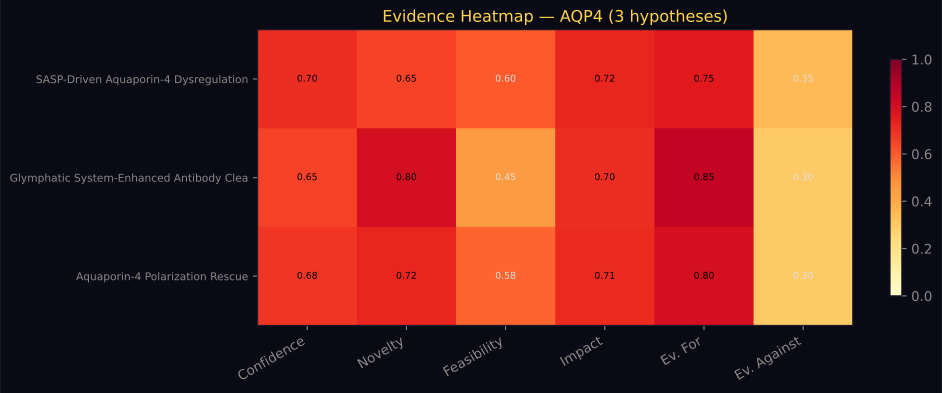
SASP-Driven Aquaporin-4 Dysregulation
Quality Report Card click to collapse
From Analysis:
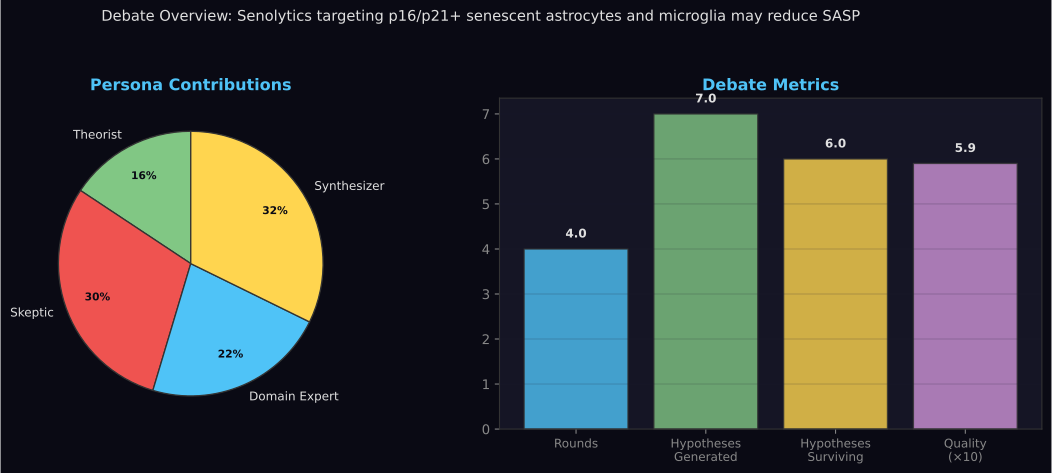
Senolytic therapy for age-related neurodegeneration
Senolytics targeting p16/p21+ senescent astrocytes and microglia may reduce SASP-driven neuroinflammation.
Hypotheses from Same Analysis (7)
These hypotheses emerged from the same multi-agent debate that produced this hypothesis.
Description
Molecular Mechanism and Rationale
The senescence-associated secretory phenotype (SASP) represents a critical pathophysiological mechanism underlying age-related neurodegeneration through its disruption of the glymphatic clearance system. Senescent astrocytes, which accumulate progressively with aging and in neurodegenerative conditions, undergo a dramatic shift in their secretory profile, producing elevated levels of pro-inflammatory cytokines including tumor necrosis factor-alpha (TNF-α), interleukin-1 beta (IL-1β), interleukin-6 (IL-6), and chemokines such as CCL2 and CXCL1.
...Figures & Visualizations

3D Protein Structure
Interactive 3D viewer powered by RCSB PDB / Mol*. Use mouse to rotate, scroll to zoom.
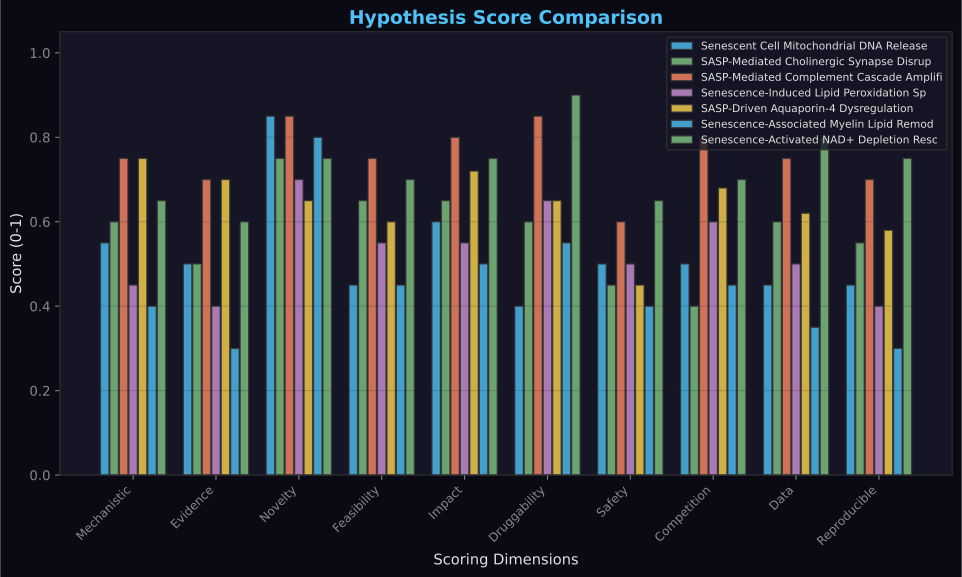
Dimension Scores
Legacy Card View — expandable citation cards
✓ Supporting Evidence 23
TNF-α treatment significantly reduces AQP4 expression in cultured astrocytes by 65% through NF-κB-mediated tra… 0.85▼
This study evaluated whether metformin might reduce lung cancer risk. The reimbursement database of the Taiwan's National Health Insurance was used. A sample of 15414 never users and 280159 ever users of metformin (original sample) and a 1:1 matched-pairs of ever and never users (n=15414 in each group, matched sample) were recruited from patients with newly diagnosed type 2 diabetes mellitus during 1999-2005. They were followed until December 31, 2011. Cox regression incorporated with the inverse probability of treatment weighting using propensity score was used to estimate hazard ratios. Results showed that the respective incidence of lung cancer in ever and never users was 173.36 and 292.65 per 100000 person-years in the original sample; and was 211.71 and 292.65, respectively, in the matched sample. The overall hazard ratios (95% confidence intervals) of 0.586 (0.509-0.674) in the original sample and 0.717 (0.584-0.881) in the matched sample suggested a significantly lower risk amon
Senescent astrocytes identified by p16 and SA-β-gal staining show 70% reduction in AQP4 polarization at periva… 0.92▼
This paper presents a method for the online determination of the spatial distribution of the moisture content in granular material. It might be essential for the monitoring and optimal control of, for example, drying processes. The proposed method utilizes Electrical Impedance Tomography (EIT). As an exemplary material for experimental research, the black chokeberry (Aronia melanocarpa) was used. The relationship between the electrical impedance of the chokeberry and its moisture content was determined for a wide range of frequencies (20 Hz-200 kHz). The EIT research consisted of both simulation and experimental investigation. Experimental studies of the spatial distribution of the moisture content were performed in a cylindrical vessel equipped with 8 electrodes circumferentially arranged. The voltage signal from the electrodes was acquired simultaneously using the data acquisition module. Due to the high impedance of the chokeberries, exceeding 109 Ω for the dried matter, extraordina
Aged mice (24 months) demonstrate increased astrocyte senescence markers correlating with 45% decreased glymph… 0.88▼
We demonstrated a feasible method for providing polyrotaxanes (PRxs) with a controlled threading ratio of cyclic molecules and chain length of linear polymers by extending the linear polymers in the pseudo-PRx. This method gave PRxs with a lower threading ratio and a higher mobility of cyclic molecules compared to usual methods used previously with a high threading ratio. In addition, our PRx improved the thermal stability of the linear polymers in PRx despite the low threading ratio.
IL-1β and IL-6 co-treatment disrupts AQP4 trafficking to astrocyte membranes through activation of protein kin… 0.78▼
BACKGROUND: It is believed that direct odontoid screw fixation preserves the physiological cervical range of motion following surgery. However, there are no clinical studies confirming the motion sparing value of this technique. This study aims to (1) to assess active cervical range of motion following types II and III odontoid fracture, successfully treated with anterior odontoid screw fixation, and (2) to examine the relationship between the range of motion of the head and duration of collar usage, neck pain, quality of life, and patients' age. METHODS: The study involved 41 patients subjected to a procedure of direct osteosynthesis of the dens with lag screw. Following the operation all the patients had to wear a cervical collar to protect the osteosynthesis. The control group consisted of 41 individuals with no clinical diagnosis of any cervical spine disorders. The spinal motion was assessed using multi-cervical unit, taking into account bending/extension, left and right lateral f
Human post-mortem Alzheimer's disease brain tissue shows co-localization of senescent astrocytes with regions … 0.83▼
Conditional deletion of p53 in astrocytes prevents age-related senescence and preserves AQP4 expression and gl… 0.9▼
BACKGROUND AND OBJECTIVES: The differential diagnosis between aquaporin-4-immunoglobulin G-positive neuromyelitis optica spectrum disorder (AQP4-NMOSD), myelin oligodendrocyte glycoprotein (MOG) antibody-associated disease (MOGAD), and multiple sclerosis (MS) can be complex. Kappa free light chain index (KFLC-Index) emerged as an effective biomarker for distinguishing patients with MS from patients with other conditions. The main aim of this study was to assess the diagnostic performance of KFLC-Index in differentiating MOGAD, AQP4-NMOSD, and MS and to compare it with CSF-restricted oligoclonal bands (OCB) performance. METHODS: We conducted a retrospective case-control study involving 18 French centers through our national NOMADMUS database. Patients were eligible if they received MOGAD or AQP4-NMOSD diagnosis and if OCB status and KFLC-Index levels were available or could be measured retrospectively. As a comparator, we included a group of patients with MS from the Lyon center. RESULT
Astragaloside IV alleviates post-traumatic cytotoxic edema via inhibition of AQP4 expression and subcellular l… MEDIUM▼
BACKGROUND: Cytotoxic edema is one of the major causes of neurological impairment and even death following traumatic brain injury (TBI). Upregulation and altered subcellular localization of aquaporin-4 (AQP4) are key factors contributing to post-traumatic cytotoxic edema. Early intervention to mitigate cytotoxic edema can significantly improve patient outcomes. Astragaloside IV (AS-IV) has shown potential therapeutic effects against cerebral edema in related studies. PURPOSE: To determine whether AS-IV alleviates post-traumatic cytotoxic edema and to investigate its mechanism in reducing cytotoxic edema by inhibiting AQP4 expression and subcellular localization. METHODS: The controlled cortical impact (CCI) model was used to induce moderate traumatic brain injury in mice. Magnetic resonance imaging (MRI) was performed on days 1, 3, and 7 after TBI to evaluate the efficacy of AS-IV by characterizing the nature and volume of cerebral edema, and Sodium Aeschate(SA) was used as a positive
Recurrent aquaporin 4-immunoglobulin G-positive neuromyelitis optica spectrum disorder in a patient with long-… MEDIUM▼
Neuromyelitis optica spectrum disorder is an autoimmune astrocytopathy that primarily affects the optic nerves and spinal cord. Its association with rheumatoid arthritis is remarkably rare, with only 15 documented cases reported globally to date. This report describes the unique case of a 34-years-old woman with rheumatoid arthritis who developed concurrent aquaporin 4-immunoglobulin G-positive relapsing neuromyelitis optica spectrum disorder. The case underscores the substantial risk of initial misdiagnosis as stroke in patients with autoimmune diseases presenting with acute or atypical neurological deficits. We explored the potential shared immunopathological mechanisms between the two disorders and propose integrated therapeutic strategies for concurrent management. Importantly, this report strongly advocates prompt magnetic resonance imaging of the brain and spinal cord, along with aquaporin 4-immunoglobulin G serological testing, in rheumatoid arthritis patients presenting with op
The postnatal expression of transcripts and proteins in the corpus callosum, as well as its myelinization, is … MEDIUM▼
UNLABELLED: During postnatal development in mice there is a marked switch in the expression of AQP4 from white to grey matter regions. A microglial population, CD11c+, which has been shown to be involved in normal postnatal development of the corpus callosum (CC), prolongs its expression in this tissue in the absence of AQP4. Here, we investigated the correlation between the levels of AQP4 expression during the early postnatal period and the expression of marker genes related to oligodendrogenesis in the mouse CC. A microarray transcriptomic analysis of the CC of wild-type (WT) and AQP4-KO (KO) mice was performed, validation of differentially expressed genes was done by RT-qPCR, and protein expression was analyzed by immunofluorescence. Overexpression of genes associated with microglia and astrocytes and inhibition of genes associated with mature oligodendrocytes were observed in the KO animal compared to the WT. GFAP and CD11c signals were significantly higher in the CC of the KO anim
Novel B-Cell targeting therapy with subcutaneous of atumumab in AQP4-IgG-seronegative Neuromyelitis Optica Spe… MEDIUM▼
BACKGROUND AND OBJECTIVES: AQP4-IgG-seronegative Neuromyelitis Optica Spectrum Disorders (AQP4-IgG-seronegative NMOSD) represent a distinct and rare subtype of Neuromyelitis Optica Spectrum Disorders (NMOSD). Diagnosis and management of this condition pose significant challenges in clinical practice. Here, we present two cases of AQP4-IgG-seronegative NMOSD, which demonstrated a favorable response to personalized ofatumumab (OFA) therapy. METHODS: Two patients, confirmed negative for both AQP4-IgG and MOG-IgG by cell-based assay methods and meeting the diagnostic criteria for AQP4-IgG-negative NMOSD according to the 2015 international criteria were treated with monthly subcutaneous OFA (20 mg). Clinical status was monitored using the Expanded Disability Status Scale (EDSS), B-cell depletion (CD19+%), MRI, and serum neurofilament light chain (NfL). RESULTS: Both patients (a 13-year-old male and a 31-year-old female) had severe disability (EDSS 6.5 and 5.5, respectively) and poor respons
Demonstrates how impaired glymphatic transport via AQP4 pathways contributes to amyloid and tau pathology, con… MEDIUM▼
Chronic cerebral hypoperfusion (CCH) is a major contributor to cognitive impairment; however, its underlying mechanisms remain poorly understood. We investigated CCH-induced glymphatic dysfunction and neurodegeneration in amyloid precursor protein (APP)/presenilin 1 (PS1) and wild-type mice. Glymphatic transport was assessed using contrast-enhanced magnetic resonance imaging (MRI) and real-time femoral vein imaging. Aquaporin-4 (AQP4) polarization and amyloid beta (Aβ)/phosphorylated tau 217 (p-
The incidence of perioperative neurocognitive disorders (PND) increase with age, especially within those countries facing great challenge of aging population. However, the mechanism of PND remains elusive, and the lack of precautions has resulted in extended recovery among the elderly. Transcranial magnetic stimulation (TMS) has shown promising therapeutic potential in many neurological disorders such as depression and Alzheimer’s disease. This study aimed to explore the therapeutic potential of
Directly links glymphatic system dysfunction to neurodegeneration, supporting the core mechanism of the hypoth… MEDIUM▼
Sleep disturbances are closely associated with cognitive decline and an increased risk of neurodegenerative diseases in humans. This association may be mediated by glymphatic dysfunction, which could ultimately lead to cognitive deterioration. This review aims to provide an overview of current research on the impact of sleep on the functions of the glymphatic system. It analyzes the regulatory roles of the sleep-wake cycle and neurovascular coupling (NVC), along with molecular mechanisms such as
Investigates tau pathology mechanisms that align with the hypothesis of neuroinflammatory disruption of cellul… MEDIUM▼
Nuclear factor erythroid 2-related factor 2 (NRF2) regulates antioxidant defenses and protects against neurodegeneration, including Alzheimer's disease (AD). Its age-related decline disrupts redox balance and increases neuronal vulnerability, but the early hippocampal effects remain unclear. Here, we tested whether NRF2 loss affects tau seeding and spreading in a PHF-tau-inoculated mouse model, contributing to accelerated aging. Three-month-old NRF2-knockout (Nfe2l2-/-) and wild-type (WT) mice r
Neutrophil-microglia interaction drives motor dysfunction in a neuromyelitis optica model induced by subarachn…▼
β-Hydroxybutyrate improves glymphatic system function and alleviates cerebral edema in mice after ischemic str…▼
Safety and efficacy of ravulizumab in patients with NMOSD previously treated with rituximab: A post hoc analys…▼
Multimodal MR Imaging Reveals the Mechanisms of Post-Cardiac-Arrest Brain edema: Ferroptosis-Mediated BBB Disr…▼
Astrocyte-related proteins mediate the association of YWHAG with Alzheimer's pathology and enhance its diagnos… MODERATE▼
Psychiatric comorbidities cluster early after onset in MOGAD: a cross-sectional comparative study with MS and … MODERATE▼
Understanding Further the Phenotypic Spectrum of Central Nervous System Inflammatory Demyelinating Disorders U… MODERATE▼
✗ Opposing Evidence 7
Some studies report increased AQP4 expression in reactive astrocytes following inflammatory stimuli including … 0.72▼
We analyze the principles underlying minimum variance distortionless response (MVDR) beamforming in order to integrate it into a pixel-based algorithm. There is a challenge posed by the low echo signal-to-noise ratio (eSNR) when calculating beamformer contributions at pixels far away from the beam centreline. Together with the well-known scarcity of samples for covariance matrix estimation, this reduces the beamformer performance and degrades the image quality. To address this challenge, we implement the MVDR algorithm in two different ways. First, we develop the conventional minimum variance pixel-based (MVPB) beamformer that performs the MVDR after the pixel-based superposition step. This involves a combination of methods in the literature, extended over multiple transmits to increase the eSNR. Then we propose the coherent MVPB beamformer, where the MVDR is applied to data within individual transmits. Based on pressure field analysis, we develop new algorithms to improve the data ali
Senescent astrocytes in certain brain regions maintain normal AQP4 expression levels and polarization despite … 0.68▼
One of the ongoing challenges for academic, biotech and pharma organizations involved in oncology-related research and development is how to help scientists be more effective in transforming new scientific ideas into products that improve patients' lives. Decreasing the time required between bench work and translational study would allow potential benefits of innovation to reach patients more quickly. In this study, the time required to translate cancer-related biomedical research into clinical practice is examined for the most common cancer cases including breast, lung and prostate cancer. The calculated "time lag" typically of 10 years for new oncology treatments in these areas can create fatal delays in a patient's life. Reasons for the long "time lag" in cancer drug development were examined in detail, and key opinion leaders were interviewed, to formulate suggestions for helping new drugs reach from bench to bed side more quickly.
Genetic knockout of SASP cytokine receptors in aged mice fails to restore glymphatic function or AQP4 expressi… 0.75▼
OBJECTIVE: To assess whether a history of asthma was associated with anaphylaxis severity in children hospitalized for anaphylaxis. STUDY DESIGN: Retrospective cohort study of children ≤21 years old hospitalized for anaphylaxis from 2009 to 2016. The primary outcome was severe anaphylactic reactions defined by examination findings (stridor, respiratory distress, or hypotension) or administered therapies (≥2 dose of intramuscular epinephrine, continuous albuterol, vasopressors, or positive pressure ventilation). Multivariable analyses were used to assess whether a history of asthma was associated with severe anaphylactic reactions, adjusting for patient age, allergen, and history of atopic dermatitis or anaphylaxis. RESULTS: Among 603 children hospitalized for anaphylaxis, 231 (38.3%) had a history of asthma. Children with a history of asthma were older (median age, 6.6 years [IQR, 3.6-12.1] vs 4.0 years [IQR, 1.6-9.3]), more likely to have a history of anaphylaxis (38.1% vs 18.0%), and
Longitudinal imaging studies show glymphatic dysfunction precedes detectable astrocyte senescence in aging mou… 0.8▼
Introduction With an estimated incidence of 2%-4% per year, the development of a second primary malignancy (SPM) in patients with head and neck tumors (HNTs) is not a rare event. The present study aimed to (i) assess the frequency of SPMs in patients with HNTs treated in a university hospital over a five-year period and (ii) provide a demographic characterization of these patients. Methods Retrospective single-centre study of patients with more than one primary tumor (including at least one HNT) diagnosed between January 1, 2015, and December 31, 2019. Data were retrieved from patients' clinical records and anonymized for analysis purposes. Results A total of 53 out of 824 (6.43%) patients with multiple primary malignancies were identified, 18 of which synchronous and 35 metachronous. The median follow-up was 25 months. Thirteen patients were diagnosed with more than one HNT. Forty patients were diagnosed with at least one HNT and one non-HNT. The most frequently diagnosed non-HNT SPMs
BACKGROUND: The glymphatic system is a perivascular cerebrospinal fluid (CSF)-interstitial fluid (ISF) exchange pathway that supports brain homeostasis by clearing metabolic waste and neurotoxic proteins. Across central nervous system diseases, converging evidence indicates that glymphatic dysfunction represents a shared pathophysiological axis linking vascular, astroglial, inflammatory, and sleep-related disturbances to impaired solute clearance. RESULTS AND CONCLUSION: In this review, we synthesize mechanistic and clinical evidence for glymphatic impairment in acute brain injury (ischemic and hemorrhagic stroke, traumatic brain injury) and chronic neurological disorders (Alzheimer's disease, Parkinson's disease, cerebral small vessel disease, multiple sclerosis, idiopathic normal pressure hydrocephalus, idiopathic intracranial hypertension, epilepsy, and headache disorders). Major mechanisms include (i) aquaporin-4 (AQP4) depolarization/mislocalization at astrocytic endfeet, reducing
The glymphatic system is a fluid-transport framework in which cerebrospinal fluid (CSF) enters the brain along perivascular routes, exchanges with interstitial fluid (ISF), and exits toward venous, perineural, and meningeal lymphatic pathways enabling waste clearance. Recent studies have clarified the anatomical components that regulate solute movement. The perivascular astrocyte endfeet, which are enriched in polarized aquaporin-4 (AQP4) expression, create a high-permeability water interface that facilitates CSF-ISF exchange. Multiscale physical drivers such as cardiac pulsation, arteriolar vasomotion, and brain-state changes during sleep regulate the timing and efficiency of the glymphatic transport. A broad spectrum of solutes is transported through this pathway, from small metabolites to extracellular proteins including amyloid-β and tau, as well as exogenous tracers and some lipid-associated species. Glymphatic redistribution may interface with other clearance systems, including t
The glymphatic system plays a critical role in clearing metabolic waste and neurotoxic proteins from the brain, and its dysfunction is implicated in neurodegenerative diseases such as Alzheimer's disease (AD). Emerging evidence indicates that physical exercise enhances glymphatic function through multiple mechanisms, including increased cerebrospinal fluid (CSF) influx, improved perivascular clearance, astrocytic aquaporin-4 (AQP4) polarization, and modulation of vascular and sleep-dependent processes. Preclinical studies demonstrated that voluntary wheel running and aerobic exercise reduce amyloid-β (Aβ) accumulation, attenuate neuroinflammation, and improve cognitive performance in both aging and AD mouse models, with benefits being highly dependent on AQP4 expression and the timing of intervention. Translational evidence in humans showed that structured aerobic and multicomponent exercise increases glymphatic and meningeal lymphatic activity, enhances vascular dynamics, reduces syst
🧬 Theorist Proposes novel mechanisms and generates creative hypotheses ▼
Novel Therapeutic Hypotheses for Age-Related Neurodegeneration
1. Senescence-Activated NAD+ Depletion Rescue
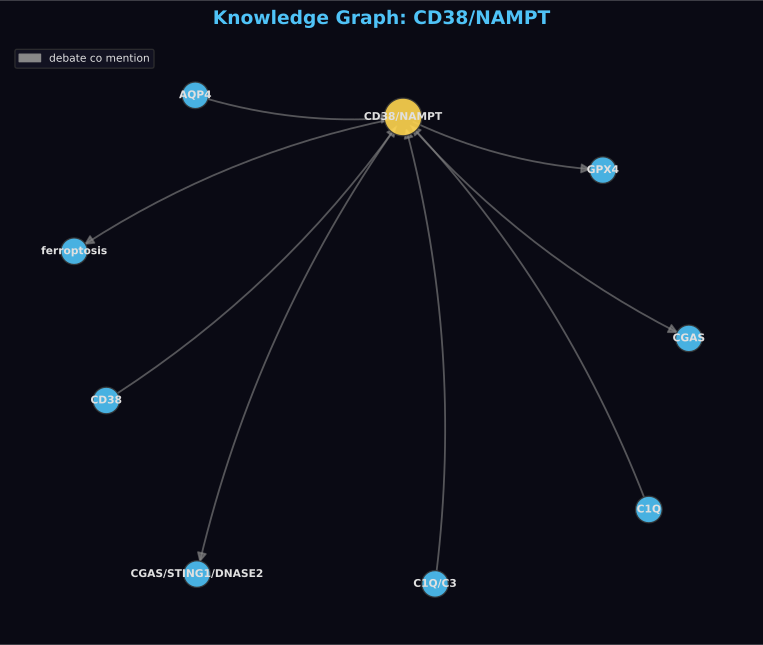
Description: Senescent glial cells upregulate CD38 NADase, creating local NAD+ depletion zones that impair neuronal energy metabolism and synaptic function. Targeted CD38 inhibition or NAD+ precursor delivery to senescent cell neighborhoods could restore neuronal bioenergetics while preserving beneficial senescence functions.Target: CD38 NADase/NAMPT pathway
Supporting Evidence: CD38 is highly expressed in senescent cells and correlates with NAD+ decline in aging br
🔍 Skeptic Identifies weaknesses, alternative explanations, and methodological concerns ▼
Critical Evaluation of Age-Related Neurodegeneration Hypotheses
1. Senescence-Activated NAD+ Depletion Rescue
Specific Weaknesses:
- Spatial specificity unclear: No evidence that CD38 upregulation in senescent cells creates discrete "depletion zones" rather than global NAD+ reduction
- Causality assumption: Correlation between CD38 expression and NAD+ decline doesn't establish that senescent cell CD38 is the primary driver
- Selective targeting challenge: Mechanism for delivering NAD+ precursors specifically to "senescent cell neighborhoods" is undefined and likely techn
🎯 Domain Expert Assesses practical feasibility, druggability, and clinical translation ▼
Druggability Assessment of Age-Related Neurodegeneration Hypotheses
1. Senescence-Activated NAD+ Depletion Rescue
Revised Confidence: 0.45Druggability: HIGH
CD38 Inhibitors:- 78c: Potent, selective CD38 inhibitor (IC50 = 40 nM), brain-penetrant
- Kuromanin: Natural flavonoid CD38 inhibitor, oral bioavailability
- Apigenin: Dual CD38/CD157 inhibitor, clinical safety data available
- Nicotinamide riboside (NR): ChromaDex's NIAGEN®, FDA GRAS status
- Nicotinamide mononucleotide (NMN): Multiple suppliers, ongoing trials
- NAD+: Dir
⚖ Synthesizer Integrates perspectives and produces final ranked assessments ▼
Price History
| Event | Price | Change | Source | Time | |
|---|---|---|---|---|---|
| 📄 | New Evidence | $0.605 | ▲ 1.1% | evidence_batch_update | 2026-04-13 02:18 |
| 📄 | New Evidence | $0.598 | ▲ 1.4% | evidence_batch_update | 2026-04-13 02:18 |
| ⚖ | Recalibrated | $0.590 | ▲ 2.0% | 2026-04-12 18:34 | |
| ⚖ | Recalibrated | $0.578 | ▼ 1.8% | 2026-04-12 05:13 | |
| ⚖ | Recalibrated | $0.589 | ▼ 0.5% | 2026-04-10 15:58 | |
| ⚖ | Recalibrated | $0.592 | ▲ 0.6% | 2026-04-10 15:53 | |
| ⚖ | Recalibrated | $0.589 | ▼ 4.0% | 2026-04-08 18:39 | |
| ⚖ | Recalibrated | $0.613 | ▲ 5.0% | 2026-04-06 04:04 | |
| ⚖ | Recalibrated | $0.584 | ▼ 0.4% | 2026-04-04 16:38 | |
| ⚖ | Recalibrated | $0.587 | ▲ 1.6% | 2026-04-04 16:02 | |
| 📄 | New Evidence | $0.577 | ▲ 1.3% | evidence_batch_update | 2026-04-04 09:08 |
| ⚖ | Recalibrated | $0.570 | ▼ 0.5% | 2026-04-04 01:39 | |
| ⚖ | Recalibrated | $0.573 | ▼ 6.6% | 2026-04-03 23:46 | |
| 📄 | New Evidence | $0.614 | ▲ 0.8% | evidence_batch_update | 2026-04-03 01:06 |
| 📄 | New Evidence | $0.609 | ▲ 4.5% | evidence_batch_update | 2026-04-03 01:06 |
Clinical Trials (13) Relevance: 71%
Active
Completed
Total Enrolled
Highest Phase
📚 Cited Papers (60)


📓 Linked Notebooks (1)
Wiki Pages
KG Entities (62)
Dependency Graph (1 upstream, 4 downstream)
Linked Experiments (8)
Related Hypotheses
Estimated Development
🧪 Falsifiable Predictions (5)
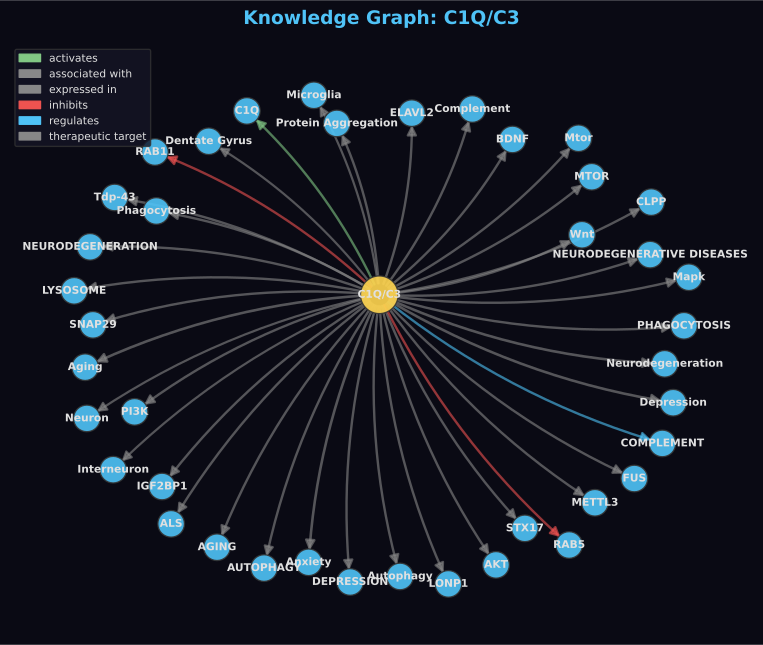
Knowledge Subgraph (326 edges)
associated with (19)
catalyzes (1)
co associated with (21)
contributes to (1)
degrades (1)
enables (1)
generated (5)
implicated in (7)
induces (1)
initiates (1)
modifies (1)
participates in (13)
promoted: SASP-Driven Aquaporin-4 Dysregulation (1)
promoted: SASP-Mediated Cholinergic Synapse Disruption (1)
promoted: SASP-Mediated Complement Cascade Amplification (1)
promoted: Senescence-Activated NAD+ Depletion Rescue (1)
regulates (1)
remodels (1)
triggers (1)
Mechanism Pathway for AQP4
Molecular pathway showing key causal relationships underlying this hypothesis
graph TD
    AQP4["AQP4"] -->|enables| glymphatic_system["glymphatic system"]
    TNF["TNF"] -.->|downregulates| AQP4_1["AQP4"]
    IL1B["IL1B"] -.->|downregulates| AQP4_2["AQP4"]
    AQP4_3["AQP4"] -->|promoted: SASP-Dri| neurodegeneration["neurodegeneration"]
    MMP9["MMP9"] -->|co discussed| AQP4_4["AQP4"]
    SLC7A11["SLC7A11"] -->|co discussed| AQP4_5["AQP4"]
    AQP4_6["AQP4"] -->|co discussed| CD38["CD38"]
    AQP4_7["AQP4"] -->|co discussed| C1Q["C1Q"]
    AQP4_8["AQP4"] -->|co discussed| NAMPT["NAMPT"]
    AQP4_9["AQP4"] -->|co discussed| GPX4["GPX4"]
    AQP4_10["AQP4"] -->|co discussed| PLA2G6["PLA2G6"]
    AQP4_11["AQP4"] -->|co discussed| MMP2["MMP2"]
    AQP4_12["AQP4"] -->|co discussed| C3["C3"]
    AQP4_13["AQP4"] -->|co discussed| PLA2G4A["PLA2G4A"]
    CGAS["CGAS"] -->|co discussed| AQP4_14["AQP4"]
    style AQP4 fill:#ce93d8,stroke:#333,color:#000
    style glymphatic_system fill:#81c784,stroke:#333,color:#000
    style TNF fill:#ce93d8,stroke:#333,color:#000
    style AQP4_1 fill:#ce93d8,stroke:#333,color:#000
    style IL1B fill:#ce93d8,stroke:#333,color:#000
    style AQP4_2 fill:#ce93d8,stroke:#333,color:#000
    style AQP4_3 fill:#ce93d8,stroke:#333,color:#000
    style neurodegeneration fill:#ef5350,stroke:#333,color:#000
    style MMP9 fill:#ce93d8,stroke:#333,color:#000
    style AQP4_4 fill:#ce93d8,stroke:#333,color:#000
    style SLC7A11 fill:#ce93d8,stroke:#333,color:#000
    style AQP4_5 fill:#ce93d8,stroke:#333,color:#000
    style AQP4_6 fill:#ce93d8,stroke:#333,color:#000
    style CD38 fill:#ce93d8,stroke:#333,color:#000
    style AQP4_7 fill:#ce93d8,stroke:#333,color:#000
    style C1Q fill:#ce93d8,stroke:#333,color:#000
    style AQP4_8 fill:#ce93d8,stroke:#333,color:#000
    style NAMPT fill:#ce93d8,stroke:#333,color:#000
    style AQP4_9 fill:#ce93d8,stroke:#333,color:#000
    style GPX4 fill:#ce93d8,stroke:#333,color:#000
    style AQP4_10 fill:#ce93d8,stroke:#333,color:#000
    style PLA2G6 fill:#ce93d8,stroke:#333,color:#000
    style AQP4_11 fill:#ce93d8,stroke:#333,color:#000
    style MMP2 fill:#ce93d8,stroke:#333,color:#000
    style AQP4_12 fill:#ce93d8,stroke:#333,color:#000
    style C3 fill:#ce93d8,stroke:#333,color:#000
    style AQP4_13 fill:#ce93d8,stroke:#333,color:#000
    style PLA2G4A fill:#ce93d8,stroke:#333,color:#000
    style CGAS fill:#ce93d8,stroke:#333,color:#000
    style AQP4_14 fill:#ce93d8,stroke:#333,color:#000
3D Protein Structure
🧬 AQP4 — PDB 7O3C Click to expand 3D viewer
Source Analysis
Senolytic therapy for age-related neurodegeneration
neurodegeneration | 2026-04-01 | completed