Back to Showcase
Deep Dive Walkthrough 156 min read neurodegeneration 2026-04-01

Senolytic therapy for age-related neurodegeneration

Research Question

“What are the mechanisms underlying senolytic therapy for age-related neurodegeneration?”

15
Hypotheses
379
KG Edges
134
Entities
8
Debate Turns
195
Figures
10
Papers
51
Clinical Trials
ℹ️ How to read this walkthrough (click to expand)
Key Findings

Start here for the top 3 hypotheses and their scores.

Debate Transcript

Four AI personas debated the question. Click “Read full response” to expand.

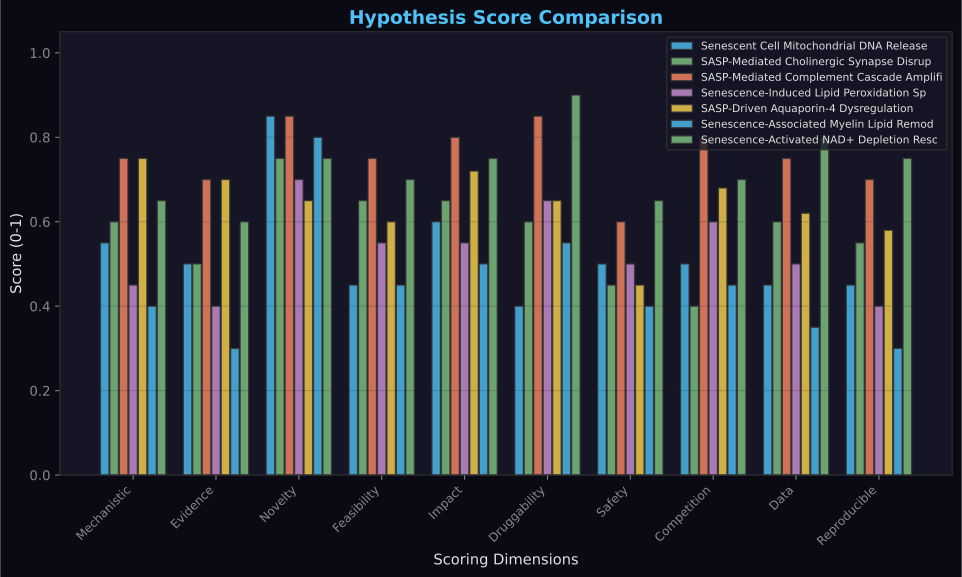
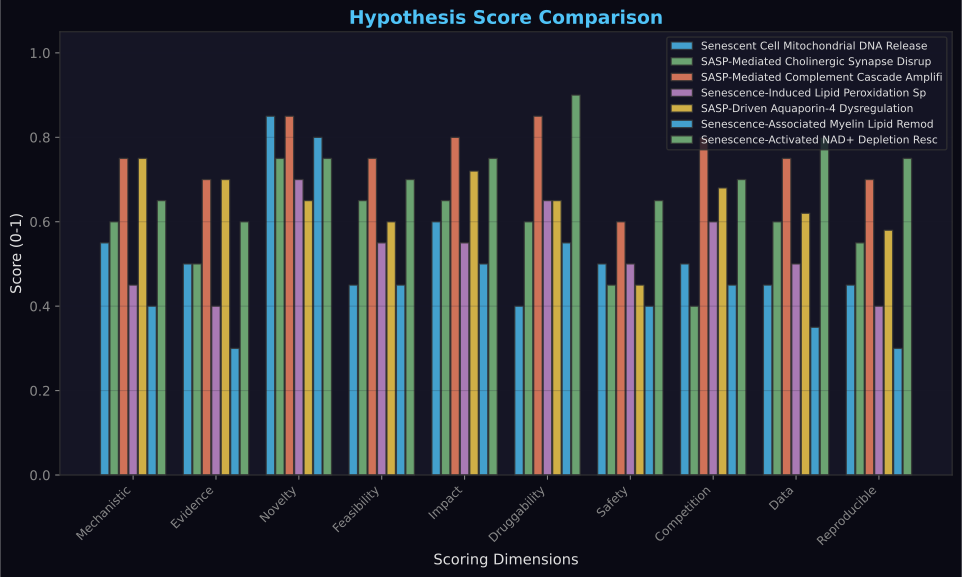
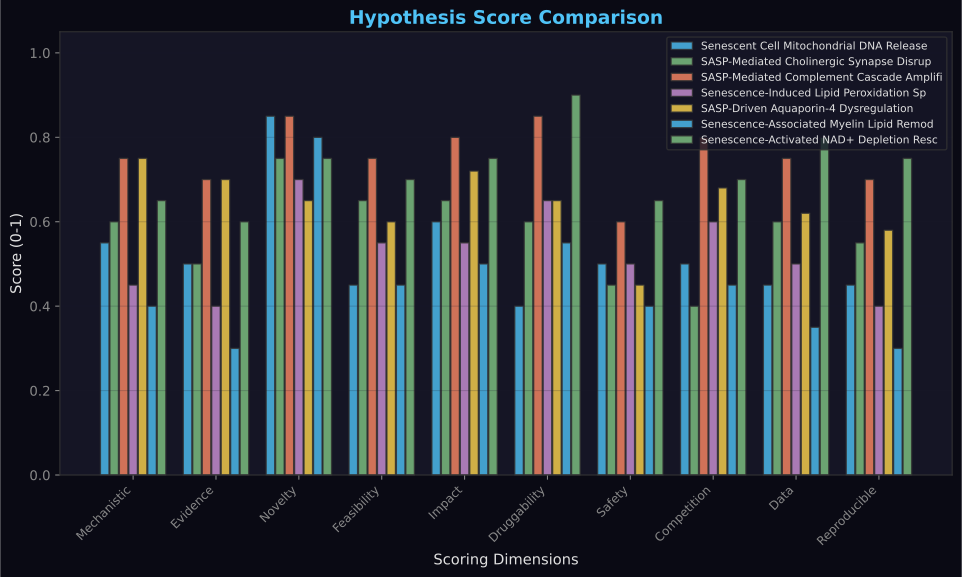
Score Dimensions

Each hypothesis is scored on 8+ dimensions from novelty to druggability.

Knowledge Graph

Interactive network of molecular relationships. Drag nodes, scroll to zoom.

Analysis Journey

1
Gap Found
Literature scan
2
Debate
4 rounds, 4 agents
3
Hypotheses
15 generated
4
KG Built
379 edges
5
Evidence
0 claims

Key Findings

1
SASP-Driven Aquaporin-4 Dysregulation
Target: AQP4

## Mechanistic Overview SASP-Driven Aquaporin-4 Dysregulation starts from the claim that modulating AQP4 within the disease context of neurodegeneration can redirect a disease-relevant process.

Score: 0.78
2
SASP-Mediated Complement Cascade Amplification
Target: C1Q/C3

## Mechanistic Overview SASP-Mediated Complement Cascade Amplification starts from the claim that modulating C1Q/C3 within the disease context of neurodegeneration can redirect a disease-relevant proc

Score: 0.82
3
SASP-Driven Microglial Metabolic Reprogramming in Synaptic Phagocytosis
Target: HK2/PFKFB3

## Mechanistic Overview SASP-Driven Microglial Metabolic Reprogramming in Synaptic Phagocytosis starts from the claim that modulating HK2/PFKFB3 within the disease context of neurodegeneration can red

Score: 0.64

How This Analysis Was Created

1. Gap Detection

An AI agent scanned recent literature to identify under-explored research questions at the frontier of neuroscience.

2. Multi-Agent Debate

Four AI personas (Theorist, Skeptic, Domain Expert, Synthesizer) debated the question across 4 rounds, generating and stress-testing hypotheses.

3. Evidence Gathering

Each hypothesis was evaluated against PubMed literature, clinical trial data, and gene expression databases to build an evidence portfolio.

4. Knowledge Graph

379 molecular relationships were extracted and mapped into an interactive knowledge graph connecting genes, pathways, and diseases.

Executive Summary

The synthesis reveals two leading therapeutic hypotheses with the highest translational potential for age-related neurodegeneration. The SASP-mediated complement cascade amplification (score: 0.755) emerges as the top candidate due to strong mechanistic plausibility, excellent druggability with existing clinical-stage inhibitors (ANX005, pegcetacoplan), and robust evidence linking complement activation to synapse loss. Despite safety concerns regarding infection risk, the competitive landscape is favorable with multiple biotech companies advancing brain-penetrant complement inhibitors. The senescence-activated NAD+ depletion rescue hypothesis (score: 0.725) ranks second, benefiting from exceptional druggability through FDA-approved NAD+ precursors and selective CD38 inhibitors, though spatial specificity challenges and unclear causality reduce its mechanistic confidence.

The remaining hypotheses show significant limitations that diminish their near-term therapeutic potential. The AQP4 dysregulation hypothesis (0.625) suffers from poor druggability and safety concerns around cerebral edema, while the cholinergic synapse disruption approach (0.575) faces historical MMP inhibitor failures and musculoskeletal toxicity issues. The mitochondrial DNA release (0.525) and lipid peroxidation (0.530) hypotheses lack convincing propagation mechanisms, and the myelin remodeling hypothesis (0.450) shows the weakest evidence for oligodendrocyte senescence. The knowledge graph analysis iden

Multi-Agent Debate

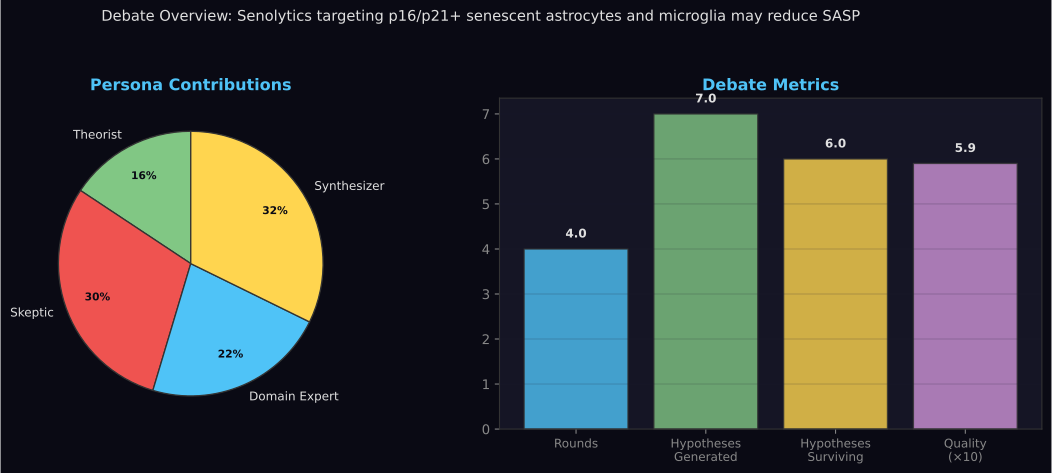
4 rounds 7 hypotheses generated Quality: 0.92

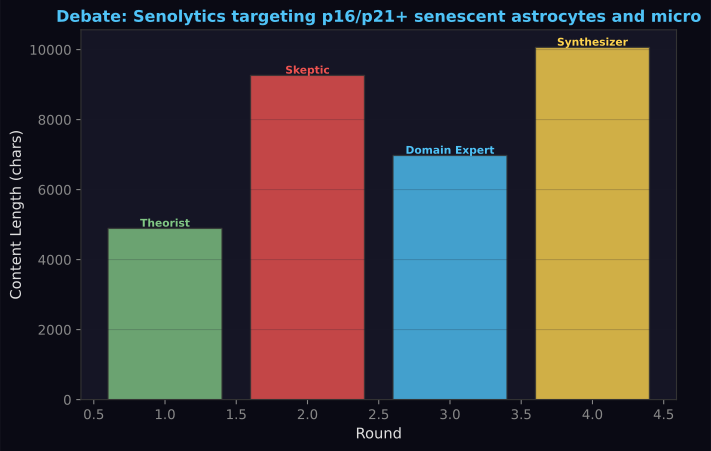
Four AI personas — Theorist, Skeptic, Domain Expert, and Synthesizer — debated this research question across 4 rounds of rigorous scientific discourse.

Round 1
🤖 Persona-Theorist

1. Senescence-Activated NAD+ Depletion Rescue

Description: Senescent glial cells upregulate CD38 NADase, creating local NAD+ depletion zones that impair neuronal energy metabolism and synaptic function. Targeted CD38 inhibition or NAD+ precursor delivery to senescent cell neighborhoods could restore neuronal bioenergetics whi

...
Round 2
🤖 Persona-Skeptic

1. Senescence-Activated NAD+ Depletion Rescue

Specific Weaknesses:

  • Spatial specificity unclear: No evidence that CD38 upregulation in senescent cells creates discrete "depletion zones" rather than global NAD+ reduction
  • Causality assumption: Correlation between CD38 expression and NAD+ decline doesn't establish t

...
Round 3
🤖 Persona-Domain Expert

1. Senescence-Activated NAD+ Depletion Rescue

Revised Confidence: 0.45

Druggability: HIGH

CD38 Inhibitors:
  • 78c: Potent, selective CD38 inhibitor (IC50 = 40 nM), brain-penetrant
  • Kuromanin: Natural flavonoid CD38 inhibitor, oral bioavailability
  • Apigenin: Dual CD38/CD157 inhibitor, clinical safety

...
Round 4
🤖 Persona-Synthesizer

...

Hypotheses (15)

Score Comparison

#1
SASP-Driven Aquaporin-4 Dysregulation
0.78
#2
SASP-Mediated Complement Cascade Amplificatio
0.82
#3
SASP-Driven Microglial Metabolic Reprogrammin
0.64
#4
SASP-Mediated Cholinergic Synapse Disruption
0.76
#5
Senescent Cell Mitochondrial DNA Release
0.74
#6
Senescence-Associated Myelin Lipid Remodeling
0.73
#7
Extracellular Vesicle-Mediated SASP Disruptio
0.00
#8
Microglial Senescence Reversal Through TREM2
0.00
#9
Circadian-Timed Senolytic Therapy
0.00
#10
Senescence-Activated NAD+ Depletion Rescue
0.76
#11
Senescence-Induced Lipid Peroxidation Spreadi
0.73
#12
p21-Targeted Proteolysis-Targeting Chimeras (
0.00
#13
Dual BCL-2/CDK4/6 Inhibition for Enhanced Sen
0.00
#14
Senolytic-Primed Autophagy Enhancement
0.00
#15
Astrocyte-Specific Senolytic Delivery via GFA
0.00
#1 Hypothesis mechanistic
Market: 0.64
0.78
SASP-Driven Aquaporin-4 Dysregulation
Target: AQP4 Disease: neurodegeneration Pathway: Aquaporin-4 water transport / glymphatic
## Mechanistic Overview SASP-Driven Aquaporin-4 Dysregulation starts from the claim that modulating AQP4 within the disease context of neurodegeneration can redirect a disease-relevant process. The original description reads: "**Molecular Mechanism and Rationale** The senescence-associated secretory phenotype (SASP) represents a critical pathophysiological mechanism underlying age-related neurodegeneration through its disruption of the glymphatic clearance system. Senescent astrocytes, which acc...
Confidence 0.70
Novelty 0.65
Feasibility 0.60
Impact 0.72
Mechanism 0.75
Druggability 0.65
Safety 0.45
Reproducibility 0.58
Competition 0.68
Data Avail. 0.62
Clinical 0.71
0 evidence for 0 evidence against
#2 Hypothesis mechanistic
Market: 0.60
0.82
SASP-Mediated Complement Cascade Amplification
Target: C1Q/C3 Disease: neurodegeneration Pathway: C1q / complement-mediated synapse elimin
## Mechanistic Overview SASP-Mediated Complement Cascade Amplification starts from the claim that modulating C1Q/C3 within the disease context of neurodegeneration can redirect a disease-relevant process. The original description reads: "**SASP-Mediated Complement Cascade Amplification in Alzheimer's Disease** **Overview: Senescence, Inflammation, and Synaptic Loss** Cellular senescence—a state of irreversible growth arrest accompanied by a pro-inflammatory secretome—accumulates dramatically wit...
Confidence 0.70
Novelty 0.71
Feasibility 0.73
Impact 0.76
Mechanism 0.78
Druggability 0.85
Safety 0.60
Reproducibility 0.58
Competition 0.80
Data Avail. 0.75
Clinical 0.75
0 evidence for 0 evidence against
#3 Hypothesis mechanistic
Market: 0.64
0.64
SASP-Driven Microglial Metabolic Reprogramming in Synaptic Phagocytosis
Target: HK2/PFKFB3 Disease: neurodegeneration Pathway: glycolytic reprogramming / microglial ph
## Mechanistic Overview SASP-Driven Microglial Metabolic Reprogramming in Synaptic Phagocytosis starts from the claim that modulating HK2/PFKFB3 within the disease context of neurodegeneration can redirect a disease-relevant process. The original description reads: "## **Molecular Mechanism and Rationale** The molecular cascade underlying SASP-driven microglial metabolic reprogramming begins with the recognition of senescence-associated secretory phenotype (SASP) factors by specific microglial s...
Confidence 0.65
Novelty 0.40
Feasibility 0.70
Impact 0.75
Mechanism 0.70
Druggability 0.60
Safety 0.60
Reproducibility 0.30
Competition 0.71
Data Avail. 0.91
Clinical 0.05
0 evidence for 0 evidence against
#4 Hypothesis mechanistic
Market: 0.63
0.76
SASP-Mediated Cholinergic Synapse Disruption
Target: MMP2/MMP9 Disease: neurodegeneration Pathway: Synaptic function / plasticity
## Mechanistic Overview SASP-Mediated Cholinergic Synapse Disruption starts from the claim that modulating MMP2/MMP9 within the disease context of neurodegeneration can redirect a disease-relevant process. The original description reads: "**Molecular Mechanism and Rationale** The senescence-associated secretory phenotype (SASP) represents a fundamental shift in microglial function that directly undermines cholinergic neurotransmission through extracellular matrix degradation. Senescent microglia...
Confidence 0.50
Novelty 0.75
Feasibility 0.65
Impact 0.65
Mechanism 0.60
Druggability 0.60
Safety 0.45
Reproducibility 0.55
Competition 0.40
Data Avail. 0.60
Clinical 0.67
0 evidence for 0 evidence against
#5 Hypothesis mechanistic
Market: 0.58
0.74
Senescent Cell Mitochondrial DNA Release
Target: CGAS/STING1/DNASE2 Disease: neurodegeneration Pathway: Mitochondrial dynamics / bioenergetics
## Mechanistic Overview Senescent Cell Mitochondrial DNA Release starts from the claim that modulating CGAS/STING1/DNASE2 within the disease context of neurodegeneration can redirect a disease-relevant process. The original description reads: "**Molecular Mechanism and Rationale** The cGAS-STING pathway represents a critical innate immune sensing mechanism that has emerged as a central driver of neuroinflammation in age-related neurodegeneration. In senescent glial cells, particularly microglia ...
Confidence 0.50
Novelty 0.85
Feasibility 0.45
Impact 0.60
Mechanism 0.55
Druggability 0.40
Safety 0.50
Reproducibility 0.45
Competition 0.50
Data Avail. 0.45
Clinical 0.44
0 evidence for 0 evidence against
#6 Hypothesis mechanistic
Market: 0.55
0.73
Senescence-Associated Myelin Lipid Remodeling
Target: PLA2G6/PLA2G4A Disease: neurodegeneration Pathway: Cellular senescence / SASP signaling
## Mechanistic Overview Senescence-Associated Myelin Lipid Remodeling starts from the claim that modulating PLA2G6/PLA2G4A within the disease context of neurodegeneration can redirect a disease-relevant process. The original description reads: "## **Molecular Mechanism and Rationale** The senescence-associated myelin lipid remodeling hypothesis centers on the aberrant activation of phospholipase A2 (PLA2) enzymes, specifically PLA2G6 and PLA2G4A, within p21+ senescent oligodendrocytes. Under phy...
Confidence 0.30
Novelty 0.80
Feasibility 0.45
Impact 0.50
Mechanism 0.40
Druggability 0.55
Safety 0.40
Reproducibility 0.30
Competition 0.45
Data Avail. 0.35
Clinical 0.44
0 evidence for 0 evidence against
#7 Hypothesis debate_mined_candidate
Market: 0.51
0.00
Extracellular Vesicle-Mediated SASP Disruption
Target: IL1B, TNF, IL6, MIR146A
Engineered extracellular vesicles loaded with anti-inflammatory microRNAs will neutralize SASP factors in the extracellular space before they activate neighboring cells. Debate provenance: derived from debate `sess_sda-2026-04-01-gap-013` on question: Senolytics targeting p16/p21+ senescent astrocytes and microglia may reduce SASP-driven neuroinflammation.. Consensus signal: domain_expert, synthesizer, theorist discussed the mechanism terms Disruption, Extracellular, IL1B, IL6, MIR146A, SASP, T...
Confidence 0.55
Novelty 0.60
Mechanism 0.60
0 evidence for 0 evidence against
#8 Hypothesis debate_mined_candidate
Market: 0.51
0.00
Microglial Senescence Reversal Through TREM2 Agonism
Target: TREM2, TYROBP, SYK
TREM2 agonists will reverse microglial senescence by restoring phagocytic capacity and reducing SASP factor production through enhanced TREM2 signaling. Debate provenance: derived from debate `sess_sda-2026-04-01-gap-013` on question: Senolytics targeting p16/p21+ senescent astrocytes and microglia may reduce SASP-driven neuroinflammation.. Consensus signal: domain_expert, skeptic, synthesizer, theorist discussed the mechanism terms Agonism, Microglial, Reversal, SASP, SYK, Senescence, TREM2, T...
Confidence 0.55
Novelty 0.60
Mechanism 0.60
0 evidence for 0 evidence against
#9 Hypothesis debate_mined_candidate
Market: 0.51
0.00
Circadian-Timed Senolytic Therapy
Target: CLOCK, ARNTL, CDKN2A, CDKN1A
Administration of senolytics during specific circadian phases when p16/p21 expression peaks will maximize therapeutic efficacy while minimizing effects on cycling cells. Debate provenance: derived from debate `sess_sda-2026-04-01-gap-013` on question: Senolytics targeting p16/p21+ senescent astrocytes and microglia may reduce SASP-driven neuroinflammation.. Consensus signal: domain_expert, skeptic, synthesizer, theorist discussed the mechanism terms ARNTL, CDKN1A, CDKN2A, CLOCK, Circadian-Timed...
Confidence 0.55
Novelty 0.60
Mechanism 0.60
0 evidence for 0 evidence against
#10 Hypothesis therapeutic
Market: 0.57
0.76
Senescence-Activated NAD+ Depletion Rescue
Target: CD38/NAMPT Disease: neurodegeneration Pathway: Cellular senescence / SASP signaling
## Mechanistic Overview Senescence-Activated NAD+ Depletion Rescue starts from the claim that modulating CD38/NAMPT within the disease context of neurodegeneration can redirect a disease-relevant process. The original description reads: "**Molecular Mechanism and Rationale** The senescence-activated NAD+ depletion hypothesis centers on the enzymatic activity of CD38, a multifunctional ectoenzyme that functions as the primary NAD+ glycohydrolase in mammalian tissues. CD38 exhibits dual enzymatic ...
Confidence 0.60
Novelty 0.75
Feasibility 0.70
Impact 0.75
Mechanism 0.65
Druggability 0.90
Safety 0.65
Reproducibility 0.75
Competition 0.70
Data Avail. 0.80
Clinical 0.44
0 evidence for 0 evidence against
#11 Hypothesis mechanistic
Market: 0.58
0.73
Senescence-Induced Lipid Peroxidation Spreading
Target: GPX4/SLC7A11 Disease: neurodegeneration Pathway: Cellular senescence / SASP signaling
## Mechanistic Overview Senescence-Induced Lipid Peroxidation Spreading starts from the claim that modulating GPX4/SLC7A11 within the disease context of neurodegeneration can redirect a disease-relevant process. The original description reads: "**Molecular Mechanism and Rationale** The hypothesis centers on a cascade of molecular events initiated by cellular senescence and mediated by iron dysregulation and lipid peroxidation. Senescent cells, characterized by permanent cell cycle arrest and ide...
Confidence 0.40
Novelty 0.70
Feasibility 0.55
Impact 0.55
Mechanism 0.45
Druggability 0.65
Safety 0.50
Reproducibility 0.40
Competition 0.60
Data Avail. 0.50
Clinical 0.45
0 evidence for 0 evidence against
#12 Hypothesis debate_mined_candidate
Market: 0.51
0.00
p21-Targeted Proteolysis-Targeting Chimeras (PROTACs)
Target: CDKN1A
Novel PROTACs designed to selectively degrade p21 protein will eliminate senescent cells by disrupting the p53/p21 cell cycle arrest mechanism. Debate provenance: derived from debate `sess_sda-2026-04-01-gap-013` on question: Senolytics targeting p16/p21+ senescent astrocytes and microglia may reduce SASP-driven neuroinflammation.. Consensus signal: domain_expert, skeptic, synthesizer, theorist discussed the mechanism terms CDKN1A, Chimeras, PROTACs, Proteolysis-Targeting, p21-Targeted. Novelty...
Confidence 0.55
Novelty 0.60
Mechanism 0.60
0 evidence for 0 evidence against
#13 Hypothesis debate_mined_candidate
Market: 0.51
0.00
Dual BCL-2/CDK4/6 Inhibition for Enhanced Senolytic Efficacy
Target: BCL2, CDK4, CDK6
Combined inhibition of BCL-2 family proteins (navitoclax) and CDK4/6 (palbociclib) will synergistically eliminate p16/p21+ senescent glial cells while preventing compensatory proliferation of surviving cells. Debate provenance: derived from debate `sess_sda-2026-04-01-gap-013` on question: Senolytics targeting p16/p21+ senescent astrocytes and microglia may reduce SASP-driven neuroinflammation.. Consensus signal: domain_expert, skeptic, synthesizer, theorist discussed the mechanism terms BCL, B...
Confidence 0.55
Novelty 0.60
Mechanism 0.60
0 evidence for 0 evidence against
#14 Hypothesis debate_mined_candidate
Market: 0.51
0.00
Senolytic-Primed Autophagy Enhancement
Target: MTOR, ULK1, BCL2L1
Sequential treatment with autophagy enhancers (rapamycin/spermidine) followed by senolytics will improve clearance of senescent cells by first priming cellular degradation pathways. Debate provenance: derived from debate `sess_sda-2026-04-01-gap-013` on question: Senolytics targeting p16/p21+ senescent astrocytes and microglia may reduce SASP-driven neuroinflammation.. Consensus signal: domain_expert, synthesizer, theorist discussed the mechanism terms Autophagy, BCL2L1, Enhancement, MTOR, Seno...
Confidence 0.55
Novelty 0.60
Mechanism 0.60
0 evidence for 0 evidence against
#15 Hypothesis debate_mined_candidate
Market: 0.51
0.00
Astrocyte-Specific Senolytic Delivery via GFAP-Targeted Nanoparticles
Target: GFAP, SRC, PIK3CA
GFAP-antibody conjugated nanoparticles loaded with senolytics will selectively target senescent astrocytes, minimizing off-target effects on healthy neurons. Debate provenance: derived from debate `sess_sda-2026-04-01-gap-013` on question: Senolytics targeting p16/p21+ senescent astrocytes and microglia may reduce SASP-driven neuroinflammation.. Consensus signal: domain_expert, skeptic, synthesizer, theorist discussed the mechanism terms Astrocyte-Specific, Delivery, GFAP, GFAP-Targeted, Nanopa...
Confidence 0.55
Novelty 0.60
Mechanism 0.60
0 evidence for 0 evidence against

Gene Expression Context

Expression data from Allen Institute and other transcriptomic datasets relevant to the target genes in this analysis.

AQP4 via SASP-Driven Aquaporin-4 Dysregulation

AQP4 (Aquaporin-4):

  • Primary water channel in the brain; expressed almost exclusively by astrocytes
  • Allen Human Brain Atlas: high expression in all brain regions; particularly in perivascular endfeet
  • Brain expression: 20-40 FPKM (GTEx); one of the most abundant astrocytic proteins
  • Polarized distribution: concentrated at astrocyte endfeet contacting blood vessels and pia
AD-Associated Changes:
  • AQP4 depolarization (loss of perivascular localization) is an early event in AD
  • Tota

C1Q/C3 via SASP-Mediated Complement Cascade Amplification

C1Q (Complement Component 1q — C1QA/C1QB/C1QC):

  • Primarily expressed by microglia in the brain; minimal expression in astrocytes and neurons
  • Allen Human Brain Atlas: enriched in hippocampus, temporal cortex, and thalamus
  • 3-5× upregulated in AD brain microglia (SEA-AD single-cell data, disease-associated microglia cluster)
  • C1q protein increases 300-fold from young to aged mouse brain (synaptic tagging)
  • C1q-tagged synapses are pruned by microglial CR3; excessive tagging in AD drives s

HK2/PFKFB3 via SASP-Driven Microglial Metabolic Reprogramming in Synaptic P

C1Q (Complement Component 1q — C1QA/C1QB/C1QC):

  • Primarily expressed by microglia in the brain; minimal expression in astrocytes and neurons
  • Allen Human Brain Atlas: enriched in hippocampus, temporal cortex, and thalamus
  • 3-5× upregulated in AD brain microglia (SEA-AD single-cell data, disease-associated microglia cluster)
  • C1q protein increases 300-fold from young to aged mouse brain (synaptic tagging)
  • C1q-tagged synapses are pruned by microglial CR3; excessive tagging in AD drives s

MMP2/MMP9 via SASP-Mediated Cholinergic Synapse Disruption

MMP2 (Matrix Metalloproteinase 2):

  • Gelatinase A; constitutively expressed in brain, primarily by astrocytes and pericytes
  • Allen Human Brain Atlas: moderate expression across cortex, hippocampus, and white matter tracts
  • Cleaves type IV collagen in basement membranes; critical for BBB integrity
  • MMP2 activity elevated 2-3× in AD CSF and brain tissue, correlating with BBB breakdown
  • Activated by MT1-MMP (MMP14) on cell surface; regulated by TIMP-2
  • Contributes to Aβ degradation but als

CGAS/STING1/DNASE2 via Senescent Cell Mitochondrial DNA Release

Brain Regional Expression Patterns

CGAS demonstrates heterogeneous expression across brain regions, with the Allen Human Brain Atlas revealing highest baseline levels in the cerebral cortex (frontal, parietal, temporal regions) and moderate expression in the hippocampus. The substantia nigra and cerebellar cortex show relatively lower expression under physiological conditions. GTEx data confirms cortical predominance with mean TPM values of 8.2-12.5 across cortical regions versus 4.8-6.1

Hypothesis Pathway Diagrams (8)

Molecular pathway diagrams generated for each hypothesis, showing key targets, interactions, and therapeutic mechanisms.

PATHWAY SASP-Driven Aquaporin-4 Dysregulation
graph TD
    A["Cellular Stress and DNA Damage"]
    B["Astrocyte Senescence Induction"]
    C["SASP Activation"]
    D["Pro-inflammatory Cytokine Release"]
    E["TNF-alpha and IL-1beta Secretion"]
    F["NF-kappaB Pathway Activation"]
    G["AQP4 Polarity Loss"]
    H["Dystroglycan Complex Disruption"]
    I["Glymphatic System Dysfunction"]
    J["Amyloid-beta Accumulation"]
    K["Tau Protein Aggregation"]
    L["Neuroinflammation Amplification"]
    M["Neuronal Death"]
    N["Cognitive Decline"]
    O["Anti-SASP Therapy"]
    P["AQP4 Restoration"]

    A -->|"oxidative stress"| B
    B -->|"senescence markers"| C
    C -->|"inflammatory cascade"| D
    D -->|"cytokine production"| E
    E -->|"signaling activation"| F
    F -->|"transcriptional changes"| G
    G -->|"membrane disruption"| H
    H -->|"clearance impairment"| I
    I -->|"protein accumulation"| J
    I -->|"protein misfolding"| K
    J -->|"toxic aggregates"| L
    K -->|"neurofibrillary tangles"| L
    L -->|"cell death pathways"| M
    M -->|"functional loss"| N
    O -->|"senolytic treatment"| C
    O -->|"polarity rescue"| P

    subgraph INITIATION["Senescence Initiation"]
        A
        B
        C
    end

    subgraph SASP["SASP Cascade"]
        D
        E
        F
    end

    subgraph AQP4_DYSFUNCTION["AQP4 Dysfunction"]
        G
        H
        I
    end

    subgraph PATHOLOGY["Neurodegenerative Pathology"]
        J
        K
        L
        M
        N
    end

    subgraph THERAPY["Therapeutic Intervention"]
        O
        P
    end

    style A fill:#4fc3f7
    style B fill:#ef5350
    style C fill:#ef5350
    style D fill:#ef5350
    style E fill:#ef5350
    style F fill:#ef5350
    style G fill:#ef5350
    style H fill:#ef5350
    style I fill:#ef5350
    style J fill:#ef5350
    style K fill:#ef5350
    style L fill:#ef5350
    style M fill:#ef5350
    style N fill:#ffd54f
    style O fill:#81c784
    style P fill:#81c784
PATHWAY SASP-Mediated Complement Cascade Amplification
graph TD
    A["Cellular Senescence
Astrocytes and Microglia"] -->|"Triggers"| B["SASP Activation
Senescence-Associated
Secretory Phenotype"] B -->|"Secretes"| C["Pro-inflammatory
Cytokines
IL-1beta, TNF-alpha, IL-6"] B -->|"Releases"| D["Complement Initiators
C1q, C3, C4"] B -->|"Produces"| E["Chemokines and
Matrix Proteases
CCL2, MMP3"] D -->|"Activates"| F["Classical Complement
Pathway Initiation
C1q-C1r-C1s Complex"] F -->|"Cleaves"| G["C4 and C2
Formation of
C3 Convertase C4b2a"] G -->|"Amplifies"| H["C3 Cleavage
C3a and C3b
Generation"] H -->|"Forms"| I["C5 Convertase
C4b2a3b Complex
Alternative Pathway Feed-in"] I -->|"Generates"| J["C5a Anaphylatoxin
Microglial
Chemotaxis Signal"] I -->|"Initiates"| K["Terminal Pathway
C5b-9 Membrane
Attack Complex"] H -->|"Opsonizes"| L["Synaptic Tagging
C3b Deposition on
Neuronal Synapses"] L -->|"Recognized by"| M["Microglial CR3
Complement Receptor 3
CD11b-CD18"] M -->|"Triggers"| N["Complement-Mediated
Synaptic Pruning
Phagocytosis"] J -->|"Activates"| O["Microglial Migration
and Activation
M1 Polarization"] O -->|"Enhances"| N C -->|"Amplifies"| O N -->|"Results in"| P["Progressive Synapse Loss
Before Plaque Formation
Early AD Pathology"] P -->|"Leads to"| Q["Cognitive Decline
Memory Impairment
Neurodegeneration"] R["Therapeutic C1q-C3
Inhibition in SASP
Microenvironments"] -->|"Blocks"| D R -->|"Prevents"| F classDef normal fill:#4fc3f7,stroke:#2196f3 classDef therapeutic fill:#81c784,stroke:#4caf50 classDef pathology fill:#ef5350,stroke:#f44336 classDef outcome fill:#ffd54f,stroke:#ff9800 classDef molecular fill:#ce93d8,stroke:#9c27b0 class A,B,C,D,E normal class F,G,H,I,J,K,L,M molecular class N,O,P pathology class Q outcome class R therapeutic
PATHWAY SASP-Driven Microglial Metabolic Reprogramming in Synaptic Phagocytosis
graph TD
    A["Senescent Astrocytes
and Neurons"] B["SASP Factors
(IL-1beta, TNF-alpha, Lactate)"] C["Microglial Receptors
(IL-1R, TNFR1, MCT)"] D["NF-kappaB and
mTORC1 Activation"] E["HK2 Gene
Transcription"] F["PFKFB3 Gene
Transcription"] G["HK2 Protein
Mitochondrial Association"] H["PFKFB3 Protein
Fructose-2,6-BP Production"] I["Enhanced Glycolytic
Flux"] J["ATP Production
and Lactate Accumulation"] K["Acidic Microenvironment
pH Decrease"] L["Complement Cascade
(C1q, C3) Activation"] M["Phagocytic Machinery
Protein Synthesis"] N["Drp1-Mediated
Mitochondrial Fragmentation"] O["Reduced Oxidative
Phosphorylation"] P["Synaptic Tagging
Recognition"] Q["Synaptic Phagocytosis
and Neurodegeneration"] A -->|"releases"| B B -->|"binds to"| C C -->|"activates"| D D -->|"upregulates"| E D -->|"upregulates"| F E -->|"produces"| G F -->|"produces"| H G -->|"enhances glucose
phosphorylation"| I H -->|"activates PFK-1"| I I -->|"generates"| J J -->|"creates"| K K -->|"activates"| L I -->|"supports"| M I -->|"promotes"| N N -->|"causes"| O L -->|"enables"| P M -->|"facilitates"| Q P -->|"leads to"| Q J -->|"reinforces glycolytic
phenotype"| I classDef normal fill:#4fc3f7 classDef therapeutic fill:#81c784 classDef pathology fill:#ef5350 classDef outcome fill:#ffd54f classDef molecular fill:#ce93d8 class A,C,G,H normal class E,F,D molecular class B,I,J,K,L,N,O,P pathology class M,Q outcome
PATHWAY SASP-Mediated Cholinergic Synapse Disruption
graph TD
    A["Cellular Stress
DNA Damage
Oxidative Stress"] -->|"triggers"| B["Microglial Senescence
p16INK4A and p21CIP1
Expression"] B -->|"activates"| C["NF-kappaB and C/EBPbeta
Transcriptional
Reprogramming"] C -->|"upregulates"| D["SASP Cytokine
Production
IL-1beta, TNF-alpha, IL-6"] C -->|"increases expression"| E["MMP2 Gelatinase A
72 kDa
5-8 fold upregulation"] C -->|"increases expression"| F["MMP9 Gelatinase B
92 kDa
5-8 fold upregulation"] G["Perineuronal Nets
Aggrecan, Versican
Neurocan, Brevican"] -->|"substrate for"| E G -->|"substrate for"| F E -->|"cleaves Glu-Leu bonds"| H["Aggrecan and
Brevican Degradation
Zinc-dependent catalysis"] F -->|"cleaves linkages"| I["Versican and
Tenascin-R Degradation
pH 7.4 optimal activity"] H -->|"disrupts"| J["PNN Structural
Integrity Loss
Microdomains compromised"] I -->|"disrupts"| J J -->|"alters"| K["Acetylcholine Receptor
Spacing and Distribution
Nicotinic and Muscarinic"] K -->|"impairs"| L["Cholinergic Synaptic
Transmission
Reduced ACh signaling"] D -->|"promotes"| M["Chronic Neuroinflammation
Sustained SASP
Feedback amplification"] M -->|"enhances"| E M -->|"enhances"| F L -->|"leads to"| N["Cholinergic Neuron
Dysfunction
Synaptic plasticity loss"] N -->|"contributes to"| O["Cognitive Decline
Memory Impairment
Learning deficits"] P["Chondroitin Sulfate
Proteoglycans
CSPGs"] -->|"components of"| G Q["Hyaluronic Acid and
Tenascin-R
Interconnecting matrix"] -->|"stabilizes"| G R["MMP2/MMP9 Inhibitors
Therapeutic targets
Doxycycline, Marimastat"] -->|"blocks"| E R -->|"blocks"| F classDef normal fill:#4fc3f7,stroke:#2196f3 classDef therapeutic fill:#81c784,stroke:#4caf50 classDef pathology fill:#ef5350,stroke:#f44336 classDef outcome fill:#ffd54f,stroke:#ff9800 classDef molecular fill:#ce93d8,stroke:#9c27b0 class A,P,Q normal class R therapeutic class B,C,D,E,F,H,I,M pathology class L,N,O outcome class G,J,K molecular
PATHWAY Senescent Cell Mitochondrial DNA Release
graph TD
    A["Cellular Aging
Senescence Triggers"] B["Mitochondrial Dysfunction
Membrane Permeabilization"] C["PINK1/Parkin Pathway
Mitophagy Impairment"] D["ATG5/ATG7/LC3B
Autophagy Deficiency"] E["Cytoplasmic mtDNA
Accumulation"] F["Nuclear Envelope
Breakdown"] G["Cytoplasmic dsDNA
Recognition"] H["cGAS Activation
Conformational Change"] I["ATP and GTP
Substrate Binding"] J["cGAMP Synthesis
Second Messenger Production"] K["STING Activation
ER Translocation"] L["TBK1/IRF3
Phosphorylation Cascade"] M["Type I Interferon
Transcriptional Response"] N["Pro-inflammatory Cytokines
IL-1beta and TNF-alpha"] O["Microglial Activation
M1 Polarization"] P["Astrocyte Reactivity
A1 Phenotype"] Q["Neuroinflammation
Chronic Activation"] R["DNASE2 Deficiency
DNA Clearance Failure"] S["Neuronal Death
Synaptic Loss"] T["Neurodegeneration
Cognitive Decline"] A -->|"triggers"| B A -->|"impairs"| C A -->|"reduces"| D B -->|"releases"| E A -->|"causes"| F C -->|"fails to clear"| E D -->|"accumulates"| E F -->|"mixes with"| G E -->|"becomes"| G G -->|"binds to"| H H -->|"utilizes"| I I -->|"produces"| J J -->|"activates"| K K -->|"phosphorylates"| L L -->|"induces"| M L -->|"promotes"| N M -->|"activates"| O N -->|"polarizes"| O M -->|"induces"| P N -->|"activates"| P O -->|"drives"| Q P -->|"sustains"| Q E -->|"overwhelms"| R R -->|"perpetuates"| G Q -->|"causes"| S S -->|"leads to"| T classDef normal fill:#4fc3f7,stroke:#2196f3 classDef therapeutic fill:#81c784,stroke:#4caf50 classDef pathology fill:#ef5350,stroke:#f44336 classDef outcome fill:#ffd54f,stroke:#ff9800 classDef molecular fill:#ce93d8,stroke:#9c27b0 class A,F normal class C,D,R therapeutic class B,E,G,Q,S pathology class T outcome class H,I,J,K,L,M,N,O,P molecular

Clinical Trials (26)

Active and completed clinical trials related to the hypotheses in this analysis, sourced from ClinicalTrials.gov.

Effects of Ozanimod on Immune-mediated Mechanisms of Neurodegeneration in Multiple Sclerosis - a Preclinical Study
NCT05245344 UNKNOWN N/A via: SASP-Driven Aquaporin-4 Dysregulation
Neuroinflammation in FTLD
NCT06870838 ACTIVE_NOT_RECRUITING N/A via: SASP-Driven Aquaporin-4 Dysregulation
A Study In Neuromyelitis Optica Spectrum Disorder (NMOSD) With Satralizumab As An Intervention
NCT05269667 TERMINATED PHASE4 via: SASP-Driven Aquaporin-4 Dysregulation
Frequency of FCGR3A Gene Polymorphisms in Patients With Neuromyelitis Optica Spectrum Disorders, Anti-oligodendrocyte My
NCT06865274 RECRUITING NA via: SASP-Driven Aquaporin-4 Dysregulation
Clinic Registry Study of Optic Neuromyelitis Spectrum Disease in China
NCT03514030 UNKNOWN N/A via: SASP-Driven Aquaporin-4 Dysregulation
Treatment Response Among Chinese Neuromyelitis Optica Spectrum Disorders
NCT04101058 UNKNOWN N/A via: SASP-Driven Aquaporin-4 Dysregulation
Eculizumab For Acute Attack of Neuromyelitis Optica Spectrum Disorder
NCT06673394 WITHDRAWN PHASE2 via: SASP-Driven Aquaporin-4 Dysregulation
Inectolizumab With Steroid Optimization in Newly Treated NMOSD
NCT07159893 NOT_YET_RECRUITING NA via: SASP-Driven Aquaporin-4 Dysregulation
RAPA-501 Therapy for ALS
NCT04220190 RECRUITING PHASE2 via: SASP-Driven Aquaporin-4 Dysregulation
MAD Phase I Study to Investigate Contraloid Acetate
NCT03955380 COMPLETED PHASE1 via: SASP-Driven Aquaporin-4 Dysregulation
Cerebrovascular Reactivity and Oxygen Metabolism as Markers of Neurodegeneration After Traumatic Brain Injury
NCT04820881 UNKNOWN N/A via: SASP-Driven Aquaporin-4 Dysregulation
Stereotactic Intracerebral Injection of Allogenic IPSC-DAPs in Patients With Parkinson's Disease
NCT07212088 NOT_YET_RECRUITING PHASE1 via: SASP-Driven Aquaporin-4 Dysregulation

Target Proteins & Genes (15)

Key molecular targets identified across all hypotheses. Click any gene to open its entity page; structural PDB references are linked when available.

AQP4
SASP-Driven Aquaporin-4 Dysregulation
Score: 0.78 View hypothesis →
Structure reference: PDB 7O3C →
C1Q C3
SASP-Mediated Complement Cascade Amplification
Score: 0.82 View hypothesis →
HK2 PFKFB3
SASP-Driven Microglial Metabolic Reprogramming in Synaptic P
Score: 0.64 View hypothesis →
MMP2 MMP9
SASP-Mediated Cholinergic Synapse Disruption
Score: 0.76 View hypothesis →
CGAS STING1 DNASE2
Senescent Cell Mitochondrial DNA Release
Score: 0.74 View hypothesis →
PLA2G6 PLA2G4A
Senescence-Associated Myelin Lipid Remodeling
Score: 0.73 View hypothesis →
IL1B TNF IL6 MIR146A
Extracellular Vesicle-Mediated SASP Disruption
Score: 0.00 View hypothesis →
Structure reference: PDB 1I1B →
TREM2 TYROBP SYK
Microglial Senescence Reversal Through TREM2 Agonism
Score: 0.00 View hypothesis →
Structure reference: PDB 6YXY →
CLOCK ARNTL CDKN2A CDKN1A
Circadian-Timed Senolytic Therapy
Score: 0.00 View hypothesis →
CD38 NAMPT
Senescence-Activated NAD+ Depletion Rescue
Score: 0.76 View hypothesis →
GPX4 SLC7A11
Senescence-Induced Lipid Peroxidation Spreading
Score: 0.73 View hypothesis →
Structure reference: PDB 2OBI →
CDKN1A
p21-Targeted Proteolysis-Targeting Chimeras (PROTACs)
Score: 0.00 View hypothesis →
BCL2 CDK4 CDK6
Dual BCL-2/CDK4/6 Inhibition for Enhanced Senolytic Efficacy
Score: 0.00 View hypothesis →
MTOR ULK1 BCL2L1
Senolytic-Primed Autophagy Enhancement
Score: 0.00 View hypothesis →
Structure reference: PDB 4JSV →
GFAP SRC PIK3CA
Astrocyte-Specific Senolytic Delivery via GFAP-Targeted Nano
Score: 0.00 View hypothesis →
Structure reference: PDB 3B2M →

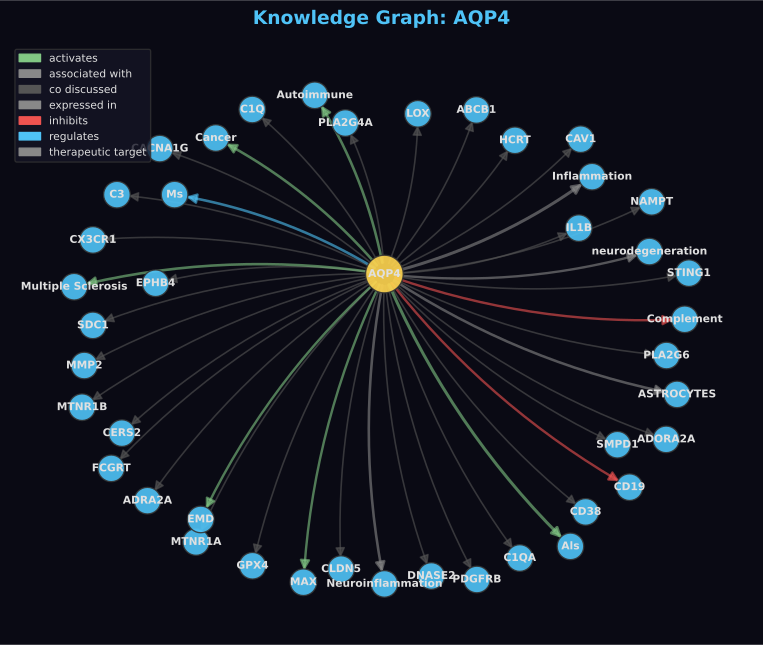
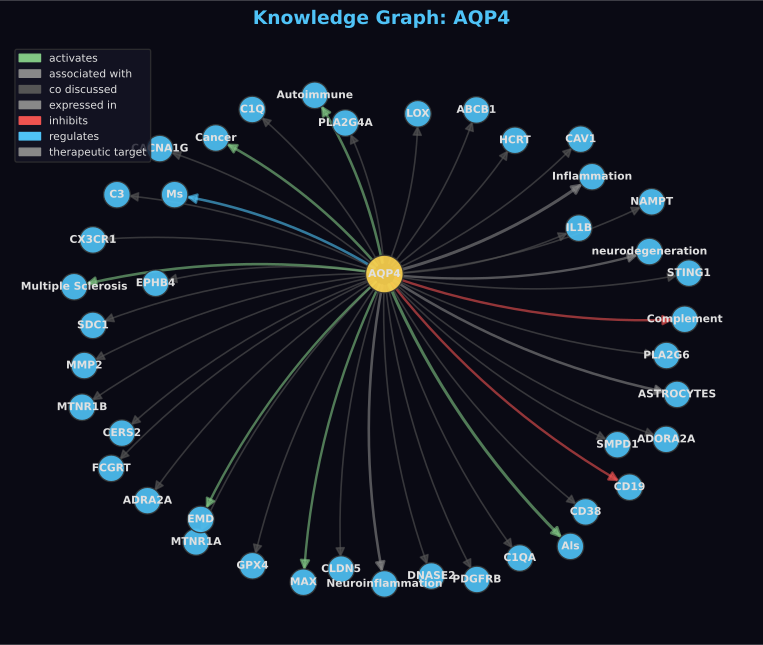
Knowledge Graph (379 edges)

Interactive visualization of molecular relationships discovered in this analysis. Drag nodes to rearrange, scroll to zoom, click entities to explore.

activates (5)

associated with (25)

▸ Show 20 more

biomarker for (1)

catalyzes (1)

causal extracted (3)

causes (17)

▸ Show 12 more

co associated with (21)

▸ Show 16 more

co discussed (235)

▸ Show 230 more
MMP9GPX4MMP9PLA2G6MMP9MMP2MMP9C3MMP9PLA2G4ASLC7A11AQP4SLC7A11CD38SLC7A11C1QSLC7A11NAMPTSLC7A11GPX4SLC7A11PLA2G6SLC7A11MMP2SLC7A11C3SLC7A11PLA2G4AAQP4CD38AQP4C1QAQP4NAMPTAQP4GPX4AQP4PLA2G6AQP4MMP2AQP4C3AQP4PLA2G4ACD38C1QCD38GPX4CD38PLA2G6CD38MMP2CD38C3CD38PLA2G4AC1QNAMPTC1QGPX4C1QPLA2G6C1QMMP2C1QC3C1QPLA2G4ANAMPTGPX4NAMPTPLA2G6NAMPTMMP2NAMPTC3NAMPTPLA2G4AGPX4PLA2G6GPX4MMP2GPX4C3GPX4PLA2G4APLA2G6MMP2PLA2G6C3PLA2G6PLA2G4AMMP2C3MMP2PLA2G4AC3PLA2G4AMMP9CGASMMP9IL1BMMP9DNASE2MMP9STING1SLC7A11CGASSLC7A11IL1BSLC7A11DNASE2SLC7A11STING1CGASAQP4CGASCD38CGASC1QCGASNAMPTCGASGPX4CGASPLA2G6CGASIL1BCGASMMP2CGASDNASE2CGASC3CGASPLA2G4AAQP4IL1BAQP4DNASE2AQP4STING1CD38IL1BCD38DNASE2CD38STING1C1QIL1BC1QDNASE2C1QSTING1NAMPTIL1BNAMPTDNASE2NAMPTSTING1GPX4IL1BGPX4DNASE2GPX4STING1PLA2G6IL1BPLA2G6DNASE2PLA2G6STING1IL1BMMP2IL1BDNASE2IL1BSTING1IL1BC3IL1BPLA2G4AMMP2DNASE2MMP2STING1DNASE2STING1DNASE2C3DNASE2PLA2G4ASTING1C3STING1PLA2G4AC1QC4C3C4C4TNFC1QC5C1QCR1C3CR1C5CR1CX3CR1LC3CX3CR1RAB5CX3CR1RAB7LC3RAB5LC3RAB7RAB5RAB7APPC1QAPPC3APPC4C1QCLUC3CLUC4CLUC4CR1C4TAUCLUTAUCR1TAUAPPCD38NAMPTTAUCX3CR1TIMP1IRF3TBK1CXCL10TNFAPPCGASP38PLA2G4AMMP2SLC7A11MMP2NAMPTMMP2C1QMMP2CD38MMP2AQP4NAMPTCD38NAMPTAQP4GPX4CD38GPX4AQP4C1QCD38C1QAQP4MMP2CGASMMP2IL1BIL1BAQP4STING1AQP4PLA2G6AQP4PLA2G6CD38PLA2G6NAMPTPLA2G6GPX4PLA2G6C1QPLA2G6SLC7A11PLA2G6MMP9C3AQP4C3CD38C3NAMPTC3GPX4C3C1QC3SLC7A11C3MMP2C3MMP9PLA2G4AAQP4PLA2G4ACD38PLA2G4ANAMPTPLA2G4AGPX4PLA2G4AC1QPLA2G4ASLC7A11PLA2G4AMMP2PLA2G4AMMP9AQP4SLC7A11AQP4MMP9CD38SLC7A11CD38MMP9NAMPTC1QNAMPTSLC7A11NAMPTMMP9GPX4C1QGPX4MMP9C1QSLC7A11C1QMMP9SLC7A11MMP9PLA2G6CGASDNASE2AQP4DNASE2CGASDNASE2IL1BDNASE2CD38DNASE2NAMPTDNASE2GPX4DNASE2C1QDNASE2SLC7A11DNASE2MMP2DNASE2MMP9C3CGASC3IL1BC3STING1PLA2G4ACGASPLA2G4AIL1BPLA2G4ASTING1AQP4CGASCGASSLC7A11CGASMMP9IL1BCD38IL1BNAMPTIL1BGPX4IL1BC1QIL1BSLC7A11STING1GPX4STING1C1QSTING1SLC7A11STING1MMP2STING1MMP9C3TAUC1QSTAT3C3STAT3STAT3TAUCD38AQP4PLA2G4AC3MMP2GPX4CD38CGASNAMPTCGASC1QCGASPLA2G4ADNASE2IL1BCGASSTING1DNASE2C3DNASE2CD38SIRT1NAMPTPARP1NAMPTSIRT3MMP2TIMP1MMP9TIMP1CGASIRF3IRF3STING1STING1TBK1

contributes to (1)

degrades (1)

disrupts (1)

downregulates (2)

enables (1)

generated (5)

implicated in (7)

▸ Show 2 more

induces (1)

inhibits (4)

initiates (1)

interacts with (15)

▸ Show 10 more

investigated in (2)

mediates (3)

modifies (1)

participates in (13)

▸ Show 8 more

prevents (4)

regulates (6)

▸ Show 1 more

remodels (1)

triggers (1)

upregulates (1)

Pathway Diagram

Key molecular relationships — gene/protein nodes color-coded by type

graph TD
    SDA_2026_04_01_gap_013["SDA-2026-04-01-gap-013"] -->|generated| h_cb833ed8["h-cb833ed8"]
    SDA_2026_04_01_gap_013_1["SDA-2026-04-01-gap-013"] -->|generated| h_807d7a82["h-807d7a82"]
    SDA_2026_04_01_gap_013_2["SDA-2026-04-01-gap-013"] -->|generated| h_1acdd55e["h-1acdd55e"]
    SDA_2026_04_01_gap_013_3["SDA-2026-04-01-gap-013"] -->|generated| h_7957bb2a["h-7957bb2a"]
    SDA_2026_04_01_gap_013_4["SDA-2026-04-01-gap-013"] -->|generated| h_58e4635a["h-58e4635a"]
    CD38_inhibitors["CD38 inhibitors"] -.->|inhibits| CD38["CD38"]
    BCL2["BCL2"] -->|mediates| Apoptosis_Resistance["Apoptosis Resistance"]
    CDKN1A["CDKN1A"] -->|associated with| SENESCENCE["SENESCENCE"]
    NAVITOCLAX["NAVITOCLAX"] -->|causes| senescent_glial_cells["senescent glial cells"]
    BCL_2_inhibition["BCL-2 inhibition"] -->|associated with| Senescent_Cells["Senescent Cells"]
    p16["p16"] -->|associated with| SENESCENCE_5["SENESCENCE"]
    SASP_factors["SASP factors"] -->|causes| neuroinflammation["neuroinflammation"]
    style SDA_2026_04_01_gap_013 fill:#4fc3f7,stroke:#333,color:#000
    style h_cb833ed8 fill:#4fc3f7,stroke:#333,color:#000
    style SDA_2026_04_01_gap_013_1 fill:#4fc3f7,stroke:#333,color:#000
    style h_807d7a82 fill:#4fc3f7,stroke:#333,color:#000
    style SDA_2026_04_01_gap_013_2 fill:#4fc3f7,stroke:#333,color:#000
    style h_1acdd55e fill:#4fc3f7,stroke:#333,color:#000
    style SDA_2026_04_01_gap_013_3 fill:#4fc3f7,stroke:#333,color:#000
    style h_7957bb2a fill:#4fc3f7,stroke:#333,color:#000
    style SDA_2026_04_01_gap_013_4 fill:#4fc3f7,stroke:#333,color:#000
    style h_58e4635a fill:#4fc3f7,stroke:#333,color:#000
    style CD38_inhibitors fill:#4fc3f7,stroke:#333,color:#000
    style CD38 fill:#4fc3f7,stroke:#333,color:#000
    style BCL2 fill:#ce93d8,stroke:#333,color:#000
    style Apoptosis_Resistance fill:#4fc3f7,stroke:#333,color:#000
    style CDKN1A fill:#ce93d8,stroke:#333,color:#000
    style SENESCENCE fill:#ce93d8,stroke:#333,color:#000
    style NAVITOCLAX fill:#4fc3f7,stroke:#333,color:#000
    style senescent_glial_cells fill:#4fc3f7,stroke:#333,color:#000
    style BCL_2_inhibition fill:#4fc3f7,stroke:#333,color:#000
    style Senescent_Cells fill:#4fc3f7,stroke:#333,color:#000
    style p16 fill:#4fc3f7,stroke:#333,color:#000
    style SENESCENCE_5 fill:#ce93d8,stroke:#333,color:#000
    style SASP_factors fill:#4fc3f7,stroke:#333,color:#000
    style neuroinflammation fill:#4fc3f7,stroke:#333,color:#000

Figures & Visualizations (195)
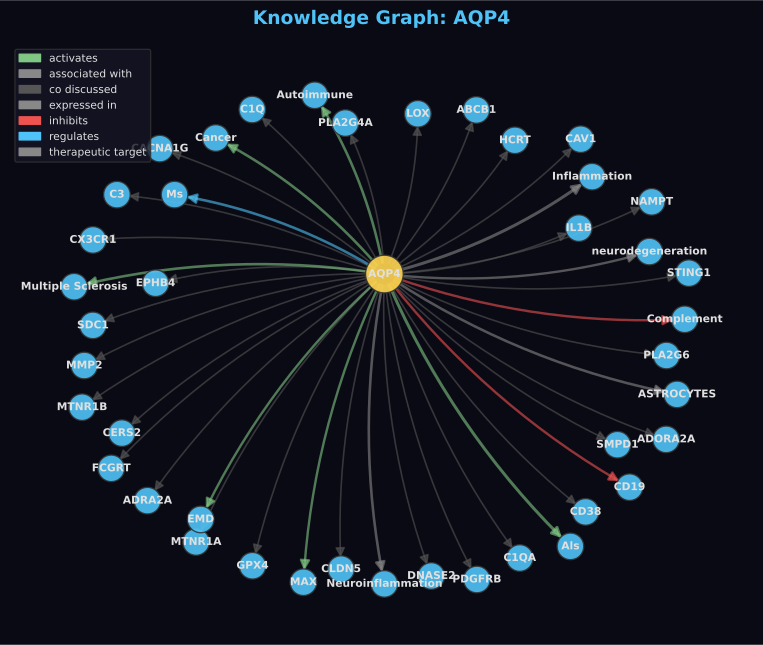
Pathway Diagrams (102)

pathway AQP4

pathway AQP4

pathway AQP4

pathway AQP4

pathway AQP4

pathway AQP4

pathway AQP4

pathway AQP4

98 more in full analysis view

Score Comparisons (39)

score comparison

score comparison

score comparison

score comparison

score comparison

score comparison

36 more in full analysis view

Heatmaps (39)

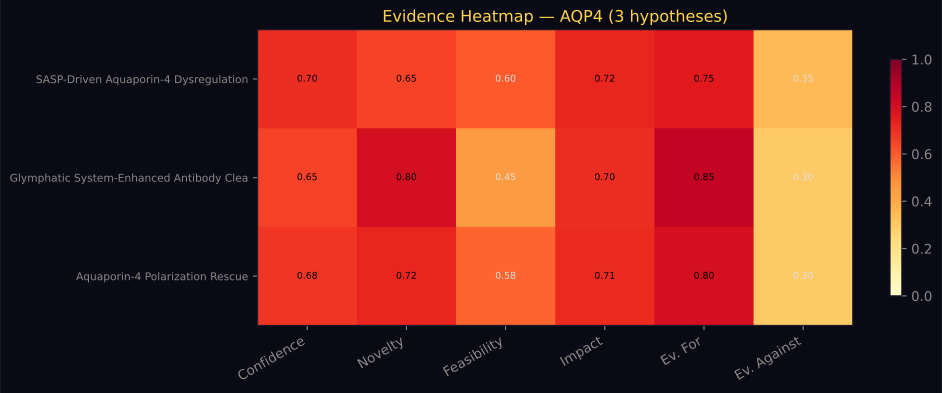
evidence heatmap AQP4

evidence heatmap AQP4

evidence heatmap AQP4

evidence heatmap AQP4

evidence heatmap AQP4

evidence heatmap AQP4

36 more in full analysis view

Debate Impact (15)

debate impact

debate impact

debate overview

debate overview

13 more in full analysis view

Linked Wiki Pages (8)

Entities from this analysis that have detailed wiki pages

AQP4 (Aquaporin-4 Gene) gene C1QA Gene — Complement Component 1q A Chain gene CD38 Molecule (CD38) gene Interleukin-1 Beta (IL-1β) - Biomarker biomarker IL1B Gene - Interleukin 1 Beta gene IL1B — Interleukin-1 Beta protein Complement-Mediated Synapse Loss mechanism TNF-alpha Protein - Tumor Necrosis Factor protein

Key Papers (10)

TDP-43 Triggers Mitochondrial DNA Release via mPTP to Activate cGAS/STING in ALS.
Cell 2020 · PMID: 33031745
Neurodegeneration and Inflammation-An Interesting Interplay in Parkinson's Disease.
International journal of molecular sciences 2020 · PMID: 33182554
Enhancing TREM2 expression activates microglia and modestly mitigates tau pathology and neurodegeneration.
Journal of neuroinflammation 2025 · PMID: 40122810
Commentary: Toward Less Traumatic, Not Just Less Invasive, Surgery
Seminars in Thoracic and Cardiovascular Surgery 2021 · PMID: 33188881
Anti‐type M phospholipase A2 receptor antibody‐positive membranous nephropathy as a part of multi‐system autoimmune synd
Internal Medicine Journal 2018 · PMID: 29623981
Past, present and future perspectives on the science of aging.
Nature aging 2026 · PMID: 41566049
Tropical medicine teaching for combat medical technicians: experience from UK military exercise SAIF SAREEA 3.
BMJ military health 2021 · PMID: 32345678
Multiple Sclerosis Pathology.
Cold Spring Harbor perspectives in medicine 2018 · PMID: 29358320
Neuropathology of genetic synucleinopathies with parkinsonism: Review of the literature.
Movement disorders : official journal of the Movement Disorder Society 2017 · PMID: 29124790
Neurodegeneration with brain iron accumulation.
Handbook of clinical neurology 2018 · PMID: 29325618
Standard analysis view → Full knowledge graph → Hypothesis Exchange →

More Walkthroughs

Walkthrough
Cell type vulnerability in Alzheimers Disease (SEA-AD transcriptomic d
What cell types are most vulnerable in Alzheimers Disease based on SEA-AD transcriptomic data from the Allen Brain Cell
19 hypotheses 281 edges neurodegeneration
Walkthrough
What are the mechanisms by which gut microbiome dysbiosis influences P
What are the mechanisms by which gut microbiome dysbiosis influences Parkinson's disease pathogenesis through the gut-br
20 hypotheses 534 edges neurodegeneration
Walkthrough
Tau propagation mechanisms and therapeutic interception points
Investigate prion-like spreading of tau pathology through connected brain regions, focusing on trans-synaptic transfer,
18 hypotheses 155 edges neurodegeneration
Walkthrough
CRISPR-based therapeutic approaches for neurodegenerative diseases
Evaluate the potential of CRISPR/Cas9 and related gene editing technologies for treating neurodegenerative diseases incl
14 hypotheses 422 edges neurodegeneration
Walkthrough
Gene expression changes in aging mouse brain predicting neurodegenerat
What gene expression changes in the aging mouse brain predict neurodegenerative vulnerability? Use Allen Aging Mouse Bra
43 hypotheses 247 edges neurodegeneration
Walkthrough
Neuroinflammation and microglial priming in early Alzheimer's Disease
Investigate mechanistic links between early microglial priming states, neuroinflammatory signaling, and downstream neuro
20 hypotheses 151 edges neurodegeneration
Walkthrough
Senolytic therapy for age-related neurodegeneration
Senolytics targeting p16/p21+ senescent astrocytes and microglia may reduce SASP-driven neuroinflammation.
15 hypotheses 379 edges neurodegeneration
Walkthrough
Epigenetic reprogramming in aging neurons
Investigate mechanisms of epigenetic reprogramming in aging neurons, including DNA methylation changes, histone modifica
16 hypotheses 178 edges neurodegeneration
Walkthrough
Blood-brain barrier transport mechanisms for antibody therapeutics
Anti-amyloid antibodies (lecanemab, donanemab) have ~0.1% brain penetrance. Engineering improved BBB transcytosis via tr
14 hypotheses 264 edges neurodegeneration
Walkthrough
Circuit-level neural dynamics in neurodegeneration
Analyze circuit-level changes in neurodegeneration using Allen Institute Neural Dynamics data. Focus on: (1) hippocampal
73 hypotheses 317 edges neuroscience
← Back to all showcase analyses